If you felt like a genius trader between 2020 and 2025, Rick Rieder has a reality check: You were walking through a casino where every table was paying out.
In his latest note looking ahead to 2026, BlackRock’s CIO of Global Fixed Income (and Fed chair candidate) argues that the “set it and forget it” beta trade is dead. In the last cycle, 90% of S&P companies had positive returns. As 2025 wrapped up, 40% of the index had a negative year.
Rieder says 2026 is going to be about “investing, not gambling.” Here are the key takeaways from his outlook.
1. Inflation is yesterday’s war. The new worry is Labor. Rieder says the inflation storm has passed. He notes that shelter inflation has moderated and core volatility is back to 1990-2020 norms. He isn’t worried about a tariff spiral either, calling it a one-time level shock rather than a persistent driver.
The real headache for 2026? The labor market.
-
Underlying slack is moving the wrong way.
-
Layoffs are now about “efficiency” (cost-cutting) rather than cyclical weakness.
-
Healthcare hiring has been masking weakness everywhere else. Excluding healthcare, job growth is negative.
With wage growth rolling over and hiring downshifting, Rieder argues the Fed needs to move away from restrictive policy to avoid “unnecessary damage.”
2. The AI story is shifting from Revenue to Margins
This is the most interesting part of the note. Rieder argues that we are moving into a phase where AI is a cost-cutting revolution.
Corporates are explicitly using tech to reduce headcount. He drops some massive back-of-the-napkin math here:
“If AI can reduce labor’s share of corporate costs by even 5%… that would generate roughly $1.2 trillion in annual labor cost savings.”
He estimates the present value of those corporate savings at $82 trillion.
The trade here isn’t just buying the companies selling the chips; it’s buying the companies that use the tech to ruthlessly cut costs and expand margins, something we’ve long argued is the killer app of AI.
3. The 2026 Macro Regime: “Dispersion”
We are looking at a year of 2% real growth (thanks to AI capex), but with a much higher cost of capital.
Rieder warns that this environment re-introduces idiosyncratic risk. You are going to see more defaults and downgrades even if the headline GDP looks fine.
This is the end of the rising tide lifting all boats.
Reider is looking for durable income to survive the air pockets.
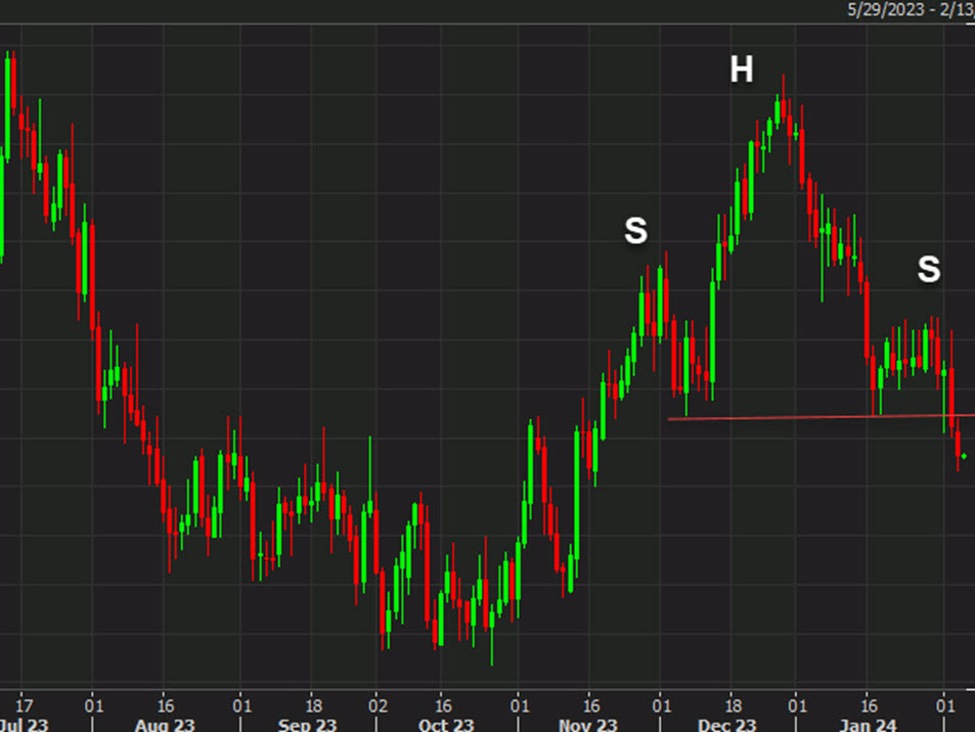
US 10 year yields, daily
-
Tactical Credit: He’s looking to buy the dip when heavy supply hits the market (specifically from hyperscalers and infrastructure issuers).
-
Select High Yield: Avoid the junk. Stick to strong balance sheets.
-
EM Debt: He sees value here as a diversifier, noting some EM central banks are ahead of the curve on cutting rates.
-
Equities: Focus on the “right side” of the AI cost revolution. Companies with durable cash flows that are actually using AI to fix their margins, not just saying “AI” on the earnings call.
The bottom line
Rieder’s message is clear: The era of easy beta is over. 2026 is about selectivity, patience, and letting the compounding of high-quality income do the heavy lifting.
So far, 2026 looks like easy money with the S&P 500 up another 0.6% today but the party could soon end.