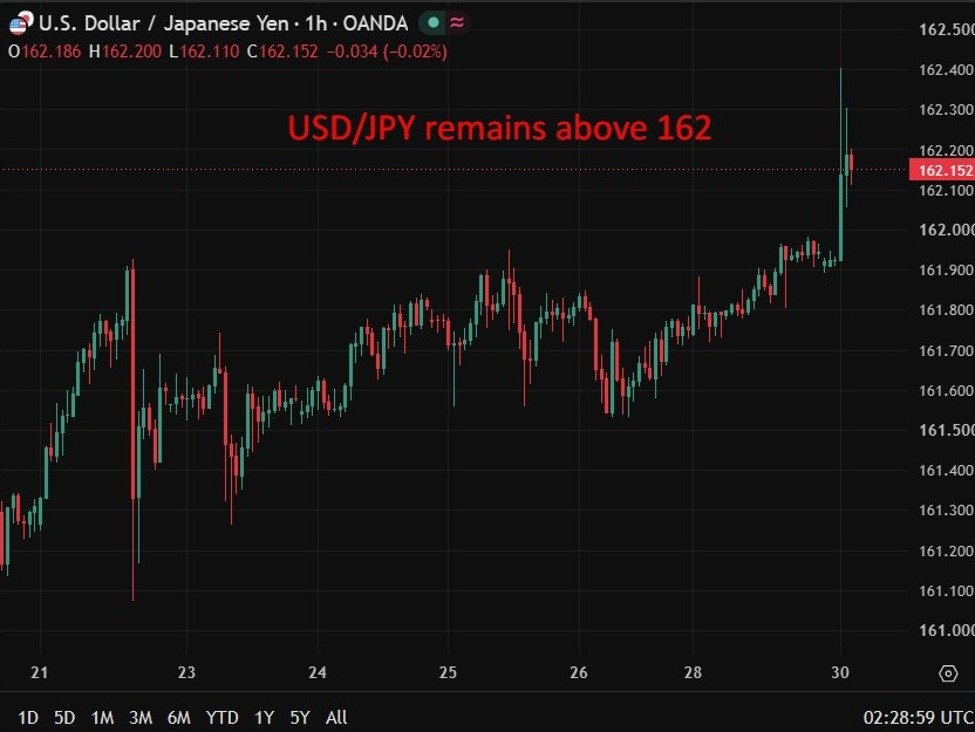
The appointment raises the prospect of two dissenting votes against future rate hike proposals, a structural shift that could slow the pace of BOJ tightening even as the broader nine-member board retains a hawkish lean. Yen sensitivity to BOJ rhetoric is likely to increase ahead of Sato’s July 30-31 policy debut, with her 5pm press conference today watched closely for early signals on her stance. The departure of Tamura and Takata, the board’s most hawkish members, in July next year adds a further point of uncertainty to the tightening trajectory, since their term expiry could shift the board’s balance independently of any near-term appointments. Markets will weigh Takaichi’s evident preference for monetary caution, tied to the funding costs of her government’s investment agenda, against the BOJ’s own stated readiness to tighten further in response to energy-driven price pressures.
—
Reuters reports Japan’s government appointed Ayano Sato, seen as dovish, to the BOJ board, the second Takaichi appointee after Asada, raising the prospect of two dissenters against future rate hikes.
Earlier:
Summary:
- Japan’s government appointed Ayano Sato, a 57-year-old former academic seen as an advocate of loose monetary policy, to the Bank of Japan’s board
- Sato is the second board member appointed under Prime Minister Sanae Takaichi, following Toichiro Asada, who voted against the BOJ’s June rate hike decision
- Sato replaces Junko Nakagawa, who had joined the board’s two most hawkish members in proposing a rate increase in April
- Nomura’s Mari Iwashita said Sato’s appointment raises the likelihood that future rate hike proposals from the BOJ chair could draw two dissenting votes
- Naoki Tamura and Hajime Takata, seen as the board’s most hawkish members, will see their terms expire in July next year, adding further uncertainty to the board’s future composition
- Sato’s debut policy meeting is scheduled for July 30-31, where the board is expected to hold rates steady but issue fresh growth and inflation forecasts
- The BOJ raised rates to a 31-year high in June and signalled readiness to tighten further in response to energy-driven price pressures from the Middle East conflict and a weak yen
Japan’s government appointed Ayano Sato, seen as an advocate of loose monetary policy, to the Bank of Japan’s policy board on Tuesday, Reuters reported, adding a second voice for caution to a board otherwise focused on containing inflationary pressure from the Middle East conflict and a weak yen.
Sato, a 57-year-old former academic, is the second board appointee under Prime Minister Sanae Takaichi, following Toichiro Asada, who broke with the majority to vote against the BOJ’s decision to raise rates in June. Her appointment puts a reflationist voice alongside Asada on a nine-member board that has otherwise leaned hawkish in recent months as it weighs the inflationary impact of higher import costs and energy price pressure stemming from the Iran conflict.
Mari Iwashita, executive rates strategist at Nomura Securities, said the addition of Sato means any future rate hike proposal from the BOJ chair now carries a real prospect of drawing two dissenting votes rather than one. She added, however, that the board’s balance would not be dramatically skewed in a dovish direction, since two of the most hawkish members would remain in place until next July.
Those two hawks, Naoki Tamura and Hajime Takata, made an unsuccessful push for a rate increase back in April, alongside Sato’s predecessor on the board, Junko Nakagawa. Both Tamura and Takata are due to see their terms expire in July next year, a development that introduces an additional layer of uncertainty into the board’s medium-term composition and policy lean, independent of the near-term appointment dynamics now in play.
Sato is scheduled to hold a press conference at 5pm Tokyo time on Tuesday, which will be closely scrutinised for early signals on whether she intends to align with Asada in pushing back against further tightening. Her formal policy debut comes at the July 30-31 meeting, where the BOJ is widely expected to hold rates steady but will publish updated quarterly growth and inflation forecasts that should offer clearer signals on the likely timing of the next move.
The appointment comes against the backdrop of a BOJ that raised rates to a 31-year high in June, a landmark step in its broader policy normalisation effort, while signalling readiness to tighten further as it focuses on taming price pressures linked to the Iran-driven energy shock. At the same time, there remains genuine uncertainty over the pace of any future hikes, with Takaichi’s administration having signalled caution over policy moves that could raise the cost of funding its flagship investment programmes, a tension that Sato’s appointment is likely to sharpen rather than resolve.