
Bond yields are coming back down as President Donald Trump’s war on Iran looks to keep oil prices higher for longer, flipping the outlook from high inflation to a recession.
Before the war, yields eased on expectations for Federal Reserve rate cuts as inflation cooled. Then the war drove up bond yields, after soaring crude rattled the outlook for inflation and the Fed. Now rate cuts are looking possible again.
With the Strait of Hormuz still firmly in Iran’s control, making the regime the gatekeeper to one-fifth of the world’s oil and liquid natural gas supplies, the disruption to energy markets is too severe to be undone with a social media post from Trump.
Despite his claims that talks with Tehran are going well, oil continued rising on Monday with West Texas Intermediate up 2.7% to top $102 a barrel and Brent crude up 1.7% to more than $114. At the same time, the 10-year yield plunged 9 basis points to 4.35%.
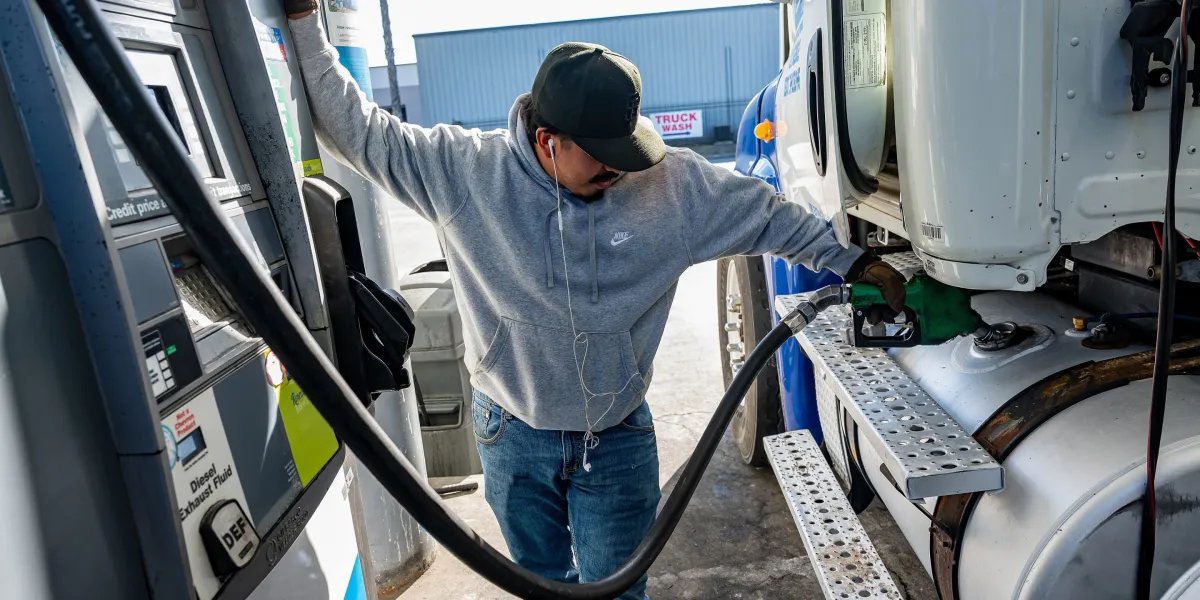
The oil spike has also pushed the average gallon of regular gasoline to $3.99, up $1.01 from a month ago, according to AAA. But diesel, a key industrial fuel that affects food and other products that are shipped, has shot up even more, hitting $5.416 a gallon.
“Oil prices are higher again this morning, but Treasury yields are lower as the risks to economic growth begin to take precedence over the risks to inflation,” Oxford Economics said in a note on Monday.
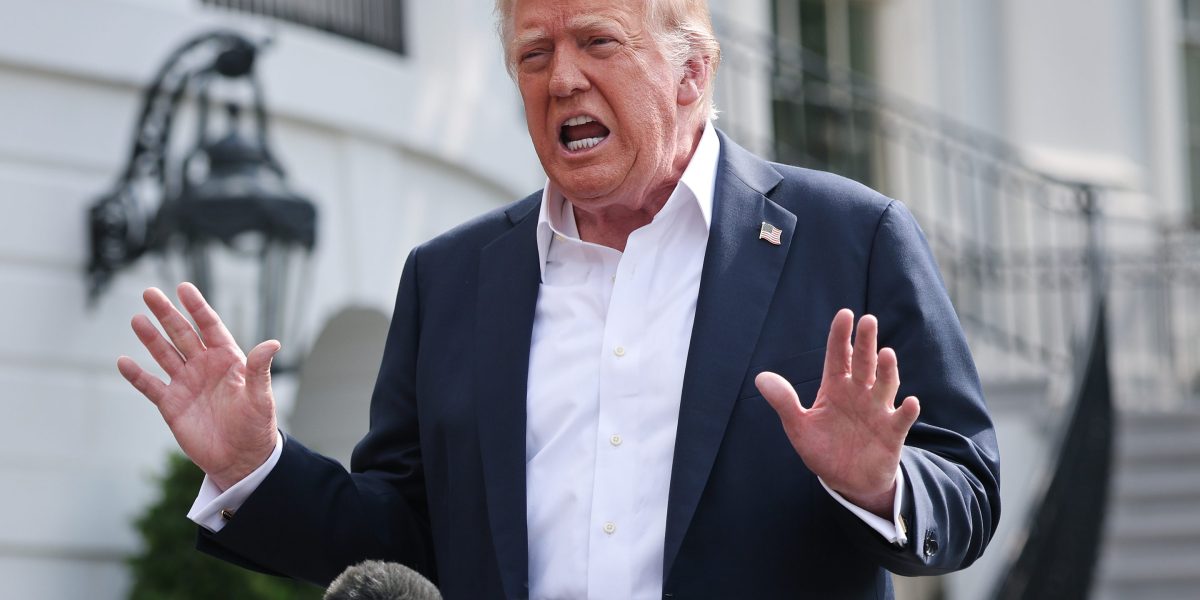
Michael Brown, senior research strategist at Pepperstone, pointed out that Trump’s attempts to talk down the market now have diminishing returns, with investors demanding actual evidence of concrete steps toward de-escalation.
In a note Monday, he added that the market has finally realized expectations for central bank rates were far too hawkish.
“As I’ve been harping on about for a while now, the energy price shock will of course raise spot headline inflation in the short-term, but it will also amount to a significant negative demand shock, posing significant growth headwinds that would only be exacerbated by G10 central banks tightening policy,” Brown wrote.
Meanwhile, the Iran war is headed for a major escalation and a longer timeline. Over the weekend, 2,500 U.S. Marines arrived in the Middle East, and thousands more are en route ahead of an anticipated ground assault meant to reopen the Strait of Hormuz.
In retaliation to a ground invasion, Iran’s Houthi allies in Yemen could attack ships in the Red Sea, halting the flow of oil and cargo from a route that’s been used to bypass the Strait of Hormuz. Then oil would go even higher.
Last week, economists at Bank of America Research calculated that if U.S. oil prices stay in the $80-$100 range, the risks to inflation far outweigh the risks to the unemployment rate, making Fed rate hikes most plausible.
But above that “Goldilocks” oil price, inflation risks start declining and head toward a convergence with a rising unemployment threat, they added.
“Risks to inflation should rise initially but then fall if the shock is large enough, due to demand destruction,” BofA said. “Negative wealth effects from a sustained equity selloff would exacerbate downside risks to labor and limit the upside to inflation.”