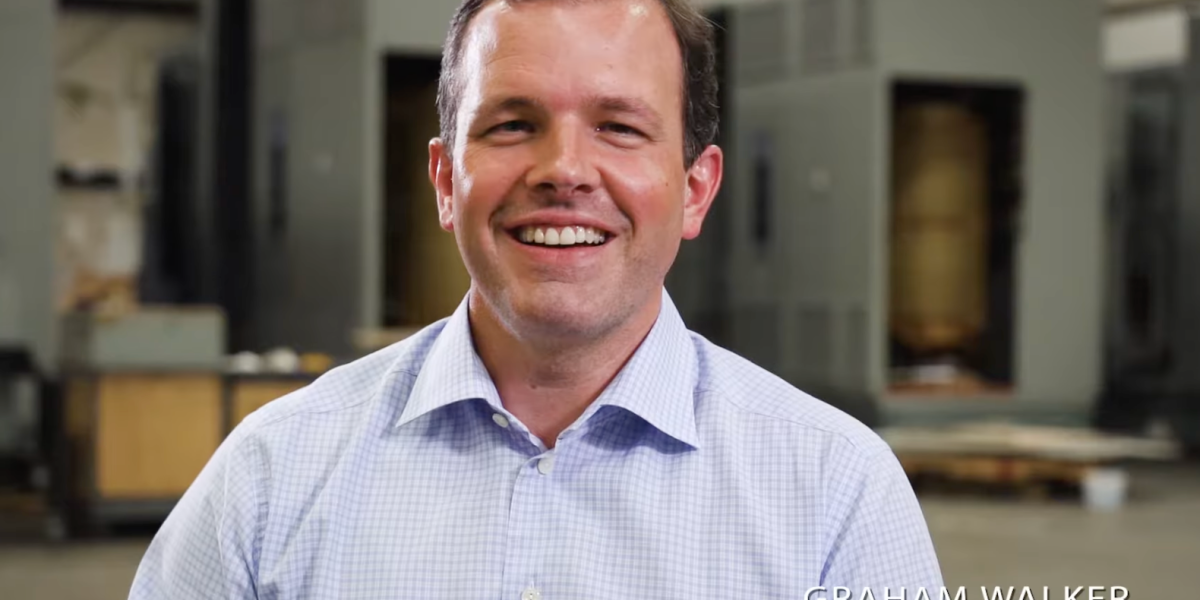
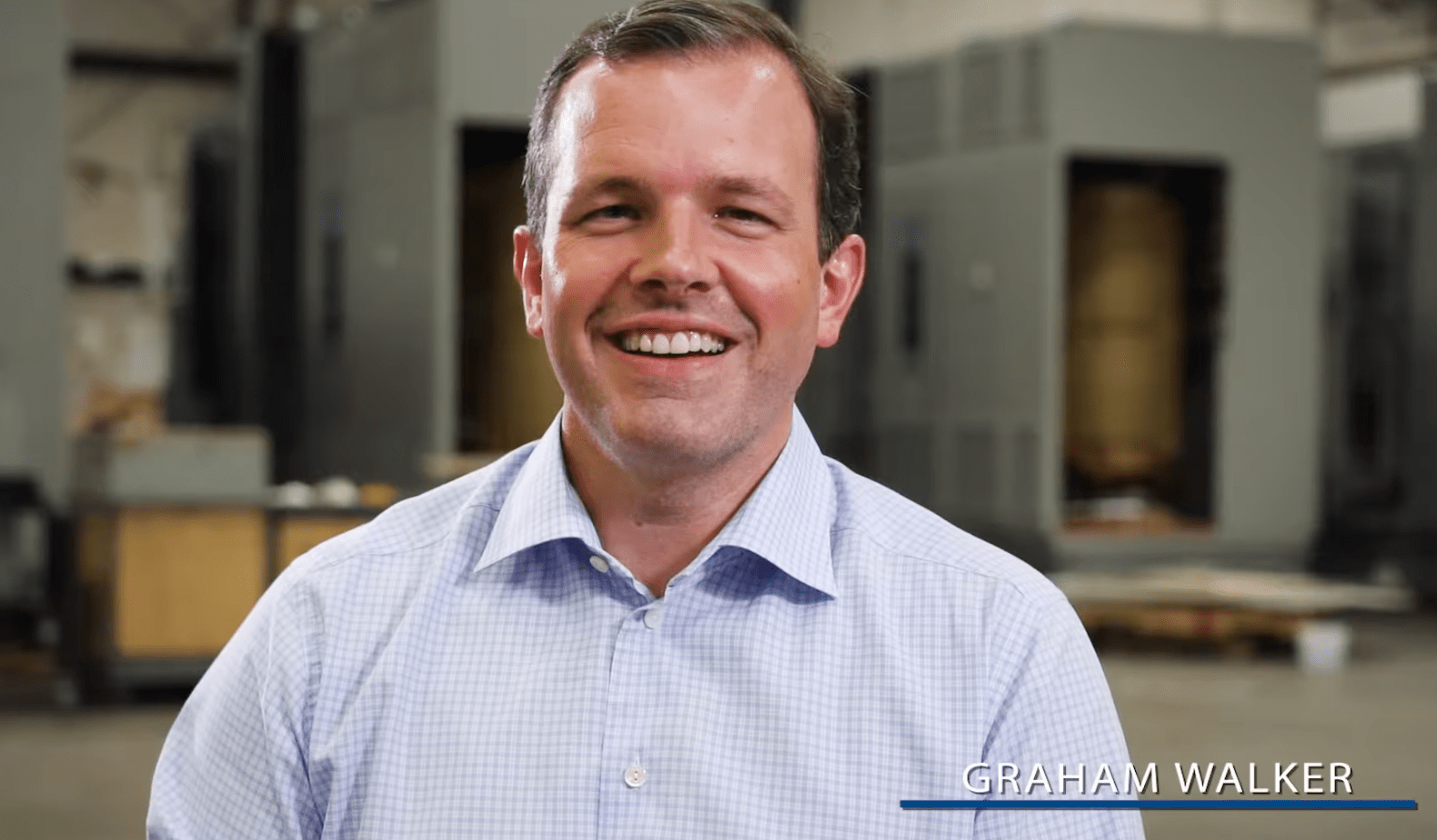
When Graham Walker agreed to sell Fibrebond Corp., the Louisiana manufacturing company his father founded, he made sure the deal would transform the lives of its 540 full-time employees as much as his own. As reported by The Wall Street Journal, the 46-year-old CEO carved out a roughly $240 million bonus pool from the $1.7 billion sale to power-management giant Eaton, an amount that works out to an average of $443,000 per worker.
Walker insisted that 15% of the sale proceeds be reserved for employees, even though they owned no stock, making the condition non-negotiable for any buyer. Eaton ultimately agreed, with a spokesperson later saying the purchase “honors their commitments to both their employees and the community.” The bonuses, which began rolling out in mid‑2025, don’t all vest at once, though.
To ensure employees collect every dollar, Walker structured the deal so they would have to stay on the job for five more years, turning the windfall into one of the largest—and stickiest—retention packages in recent memory. The Fibrebond surprise echoes a broader pattern of founders cutting employees into big exits, a trend that goes some way toward countering the increasingly extreme CEO pay gaps that persist in the 21st century.
Without the condition requiring staff to stay, Walker believed the factory would have emptied out immediately. “I don’t think we’d have many employees on day two,” Walker told the Journal. He wanted to ensure a smooth transition to Eaton, protecting the business that had been the economic engine of Minden, a small city of roughly 12,000 people.
Life-changing checks—and tax shocks
When envelopes detailing the surprise payouts landed, reactions on the factory floor ranged from disbelief to tears, with some workers initially assuming it was a prank or a camera trick. Longtime employee Lesia Key, who started at Fibrebond in 1995 at $5.35 an hour, told the Journal that she used her bonus to pay off her mortgage and open a clothing boutique after years of living paycheck to paycheck. Others cleared credit-card balances, paid college tuition, or boosted retirement savings, even as many were startled to see taxes claim close to a third of their checks and to realize that quitting early would mean walking away from hundreds of thousands of dollars.
However, the five-year requirement did spark some friction. A few employees “grumbled” that the annual payout structure made it difficult to quit if they wished, and others were surprised by the heavy tax burden that claimed nearly a third of their checks. Walker carved out a crucial exception to the five-year rule: employees over 65 were exempt.
The CEOs who gave back
Giving in this fashion isn’t totally unheard of. In one widely reported case, a 65‑year‑old tech founder, Jay Chaudhry, turned the vast majority of his staff into millionaires after a sale. Unlike Silicon Valley IPO riches, however, Fibrebond’s workers are cashing in without having ever owned equity, underscoring how unusual it is for a private, family-owned manufacturer to share nearly a quarter‑billion dollars with rank‑and‑file staff purely as a loyalty reward.
It has some similarities to ESOP deals, or employee stock ownership plans, in which exiting CEOs leave the company behind to their workers. Bob Moore, a former gas station owner and JCPenney manager who became the CEO of the food company Bob’s Red Mill, left his company to his employees several years before he died at 94 years old in 2024. This move was framed as a way to preserve the company’s values and reward long‑time staff for building the business. Barbara Fagan-Smith of ROI Communication also left her company in the hands of its workers, saying she could tell they were much more invested afterward, both literally and figuratively.
Other executives’ parting gifts show just how exceptional Walker’s employee bonuses truly are. Henry Engelhardt, of the Welsh insurance firm Admiral Group, personally funded a £7 million pool so each qualifying employee received around £1,000 as a parting gift. Staff with less than one year of service still received a smaller gift of £500, explicitly framed as a thank‑you for their contribution. When Blackstone announced a majority stake in Spanx, founder Sara Blakely gifted $10,000 to each employee (plus two first-class airplane tickets). Gravity Payments CEO Dan Price made headlines during the pandemic by slashing his own salary and raising the minimum to $70,000 for all employees, but he resigned from the company in 2022 amid legal issues, including assault and reckless driving charges.
Fibrebond’s Walker framed the payout as a thank‑you for employees who stuck with the company through a devastating 1998 factory fire, mass layoffs during the dot‑com bust, and years of frozen salaries before a bet on data‑center infrastructure sent sales soaring. He told the Journal he was pleased with the deal that he struck: “Close to a quarter-billion dollars in employees’ hands felt fair.”