TL;DR summary:
China is stepping up efforts to revive household spending, allocating fresh funding from ultra-long special treasury bonds to expand its consumer trade-in subsidy scheme. The programme, first launched in 2024, will be broadened in 2026 to include digital and smart products, as policymakers look to counter weak growth momentum and rebalance the economy toward consumption.
Even more summarised:
LOL, this is a drop in the ocean 😉
—
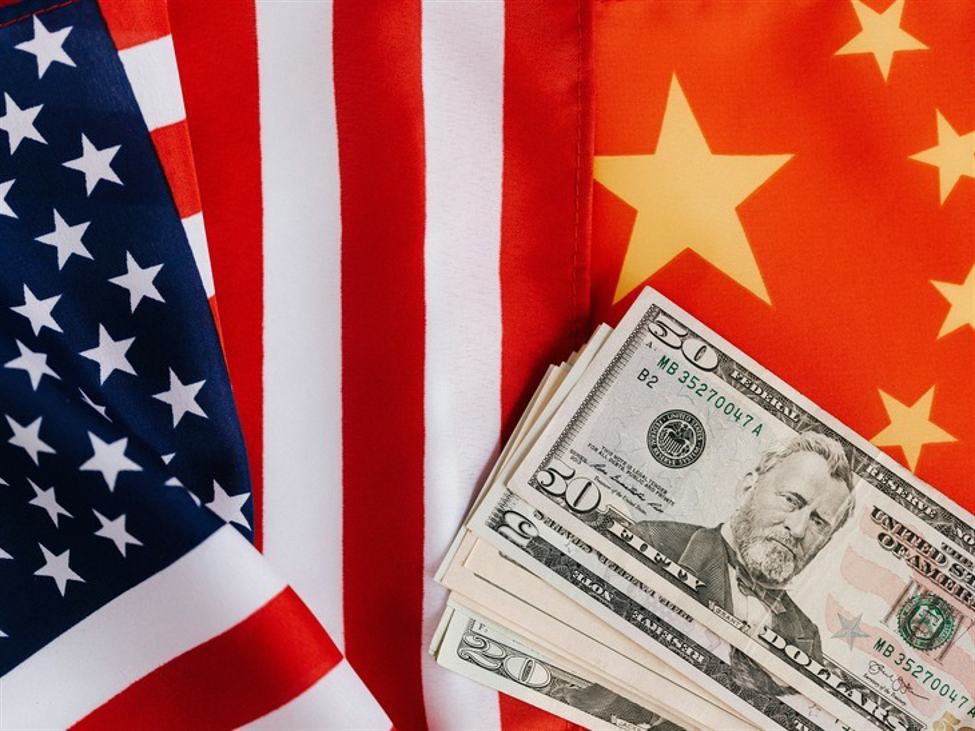
China will initially allocate 62.5 billion yuan (around US$11.5 billion) from ultra-long special treasury bond funds this year to support its consumer subsidy programme, according to a report by Chinese state media outlet Xinhua. The scheme offers financial incentives for households to replace older consumer goods, forming part of Beijing’s broader push to shore up domestic demand amid persistent economic and trade headwinds.
Launched in 2024, the programme provides subsidies when consumers replace ageing home appliances, bicycles and vehicles. Authorities are now preparing to expand its scope further in 2026, with digital and smart products set to be included for the first time. Under the new plan, consumers purchasing smartphones, tablets, smartwatches and smart wristbands will qualify for a 15% rebate, capped at 500 yuan per item, according to a joint statement from China’s state planner and finance ministry.
While the total size of the 2026 funding envelope has not yet been disclosed, China has already earmarked 300 billion yuan in special treasury bonds this year, with funds to be released in batches. Of that amount, 62.5 billion yuan will be deployed initially to support the trade-in programme.
The scheme also continues to target big-ticket household and vehicle purchases. Consumers buying any of six major categories of home appliances, including refrigerators, washing machines and televisions, are eligible for subsidies of up to 15% of the purchase price, capped at 1,500 yuan per item. In the auto sector, buyers scrapping older vehicles receive subsidies equivalent to 12% of the purchase price of new energy vehicles (NEVs), capped at 20,000 yuan. Those replacing older cars with new NEVs without scrappage qualify for subsidies of up to 8%, capped at 15,000 yuan.
The expanded incentives come as China’s economy showed renewed signs of strain in November, with factory output growing at its slowest pace in 15 months and retail sales recording their weakest performance since the lifting of zero-Covid restrictions. The data underline the urgency for Beijing to cultivate new growth drivers as it heads into 2026.
Chinese leaders have pledged to significantly raise the share of household consumption over the next five years. Consumption currently accounts for around 40% of gross domestic product, well below levels seen in advanced economies such as the United States. Some government advisers have called for stronger policy support for services spending and argue the consumption share should be lifted to around 45% over the medium term.
—
Note, coming up from China today (preview):
PMI look back