The Clarity Act is back on the table. On Sunday night, Senate Republicans released a revised version of the bill that includes more than 120 changes, including provisions aimed at addressing long-standing ethics concerns. If enacted, the legislation would establish a framework for bringing more crypto assets into the realm of mainstream finance.
The text arrived less than 48 hours before the Senate’s pivotal procedural vote on whether to advance the bill. Republicans need 60 votes, requiring support from at least seven Democrats. With limited time before the midterm elections, lawmakers have a narrowing window to bring it to a vote.
Prediction market odds rose sharply after the news. On Polymarket, traders put the chance of the Clarity Act being signed into law this year at 30%, up from 14% earlier this month. On Kalshi, the probability that the bill would become law before Oct. 1 briefly climbed to about 64%, its highest level since August, before retreating to 53%.
Clarity, short for the Digital Asset Market Clarity Act, passed the House last year but has struggled to win full congressional approval. The latest obstacles have centered on ethics restrictions for public officials, particularly those related to President Donald Trump’s crypto business dealings and potential conflicts of interest.
The revised bill would permanently bar the president, vice president, members of Congress, federal judges, and incoming elected officials and their spouses from creating or sponsoring digital assets in exchange for payment. Officials with at least $15,000 in equity in companies that earn most of their revenue from issuing crypto assets would have to sell those holdings or place them in a blind trust.
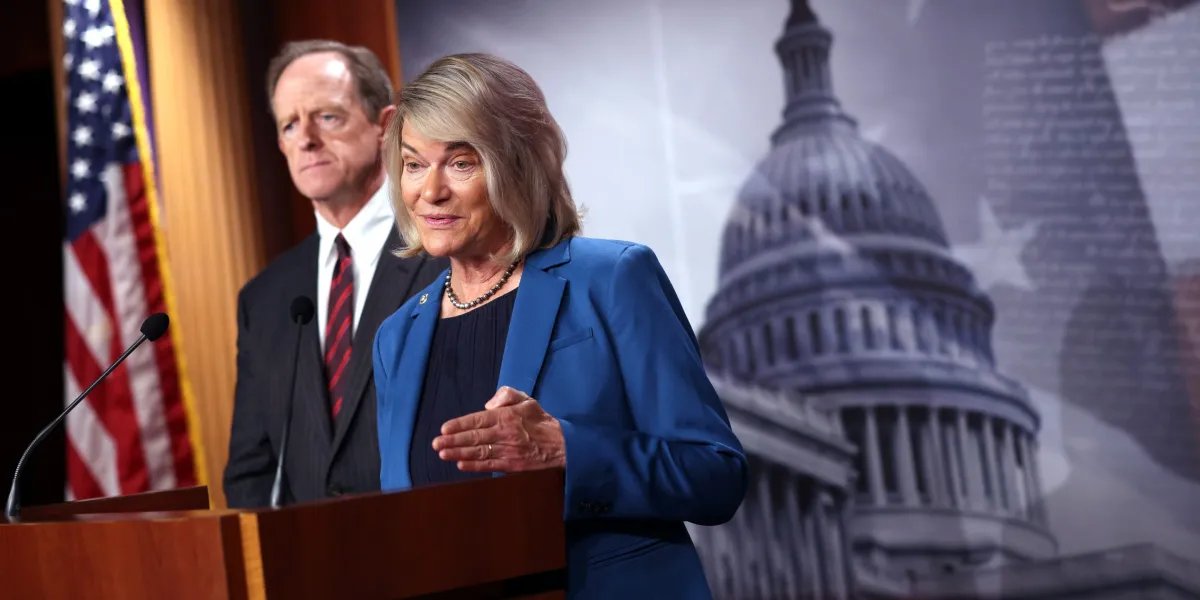
“Democrats got what they wanted; now they need to take yes for an answer,” Sen. Cynthia Lummis (R-Wyo.), one of crypto’s biggest champions in Congress, said in a social media post.
Lummis also said that Trump approved the new ethics provisions.
The draft would eliminate a previously proposed expiration date for the conflict-of-interest restrictions, making them permanent. It would also allow state attorneys general to bring civil cases against officials who violate them.
In 2025, Trump reported more than $1.4 billion in income from his family’s various crypto ventures. About 45% of that income came from his memecoin, which he launched days before taking office. Trump’s family has also expanded its ties to the industry, launching World Liberty Financial, a decentralized finance platform, and founding American Bitcoin Corp., a publicly traded Bitcoin mining and treasury company cofounded by Eric Trump.