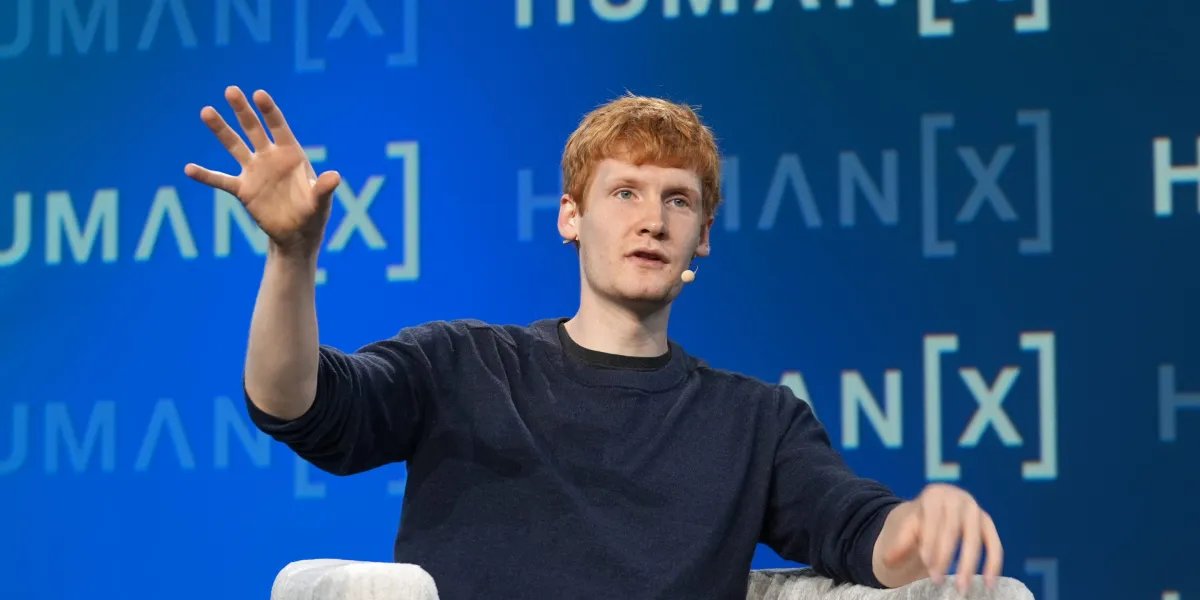
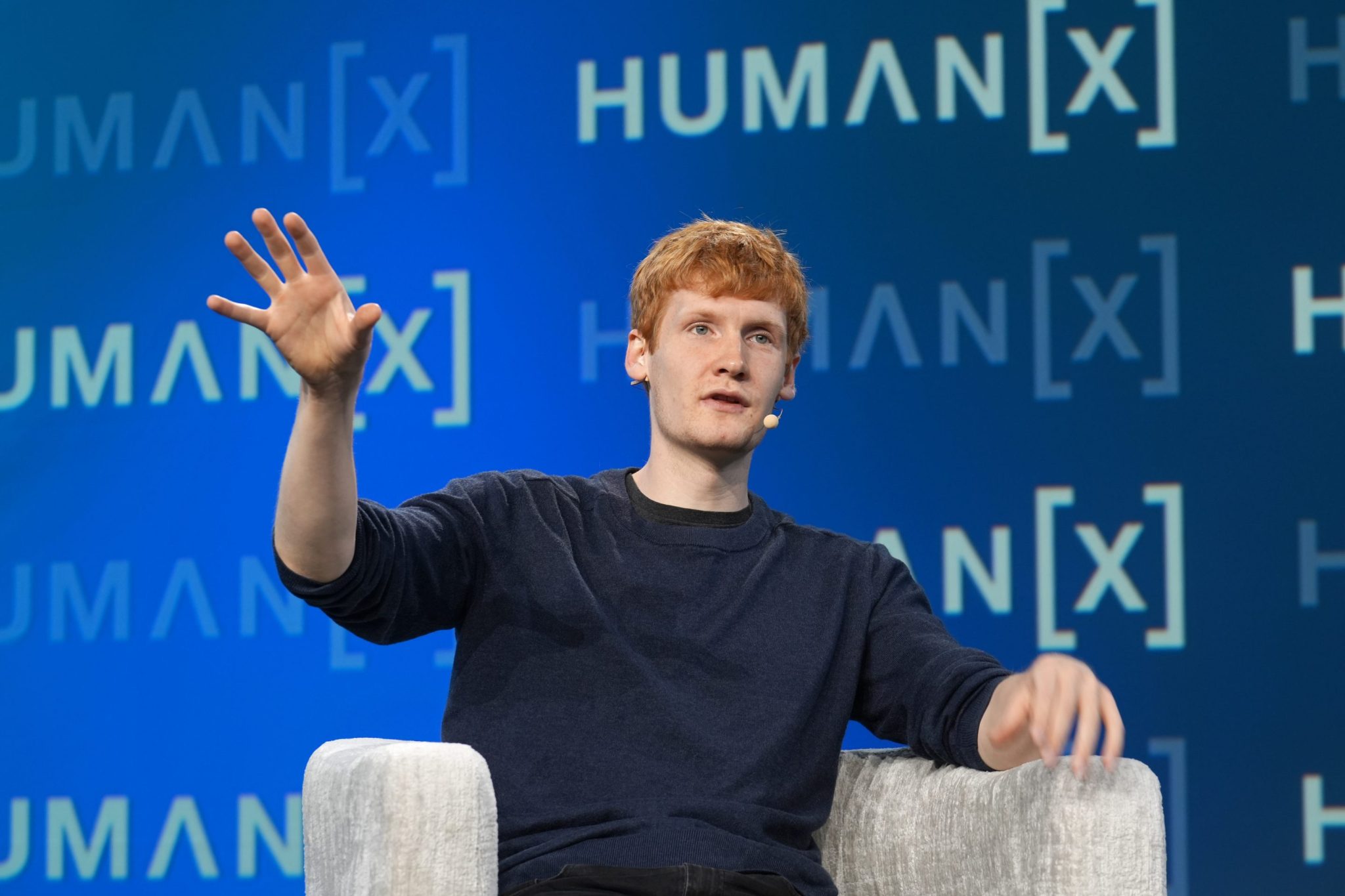
When SpaceX agreed to buy Cursor for $60 billion, it cemented Michael Truell’s status as one of Silicon Valley’s youngest breakout CEOs. The 25‑year‑old founder had already turned an AI coding project into a staple for enterprise developers and built a hiring funnel out of the community that grew up around it.
That wasn’t obvious when he and three fellow programmers first started Anysphere (Cursor’s parent company) in early 2022, which Truell called the “prehistoric times” of AI in a keynote speech at Cursor’s inaugural Compile conference published Monday. At the time, Big Tech companies and well-funded labs were already developing AI coding tools, and the four founders, all in their early 20s, were wary of entering such a crowded field.
“We thought, there’s just, there’s no room, there’s not much to do, people have got that covered,” he said. “And we kind of went about our way during 2022, worked on a series of projects.”
But eventually they caught “the bug” and returned to the product they actually wanted to build themselves: an AI-powered development environment they liked enough to use every day.
They went heads‑down to build it. Truell has described the team as “in a cave,” coding the prototype “in our underwear” for roughly two weeks to get it together at the end of 2022. The first version of Cursor, released at the beginning of 2023, was something the founders finished by “cobbling together” the program in about two weeks.
The initial feedback was rough. Truell says the first user didn’t like the product, and the second didn’t either. Some early testers “ran away from us kicking and screaming.” But a few developers stuck with Cursor and began “daily driving” it, which was enough to start a tight feedback loop in which the team iterated constantly on the product for themselves and for that small community.
The next phase of Cursor’s community was on Discord.
“We actually hired many members of [the] Discord server,” Truell said.
The Discord started as a place for users to talk about the product, report issues, and share workflows—but over time, it became a recruiting pool for the company itself. The same developers who were most active in shaping Cursor from the outside became job candidates, and some eventually employees.
“Through all of this craziness, there’s a group of people whose fundamental kind of core ethos is this group of developers building for developers,” he said at Compile. Cursor’s 300‑plus employees now support a product used by 67% of Fortune 500 companies, generating roughly 150 million lines of enterprise code per day. But many of those employees started out as users first. They were the people testing features, filing bug reports, and hanging out in the company’s Discord.
Other companies that recruit from their communities
Truell’s approach of recruiting the people who love your product enough to show up every day isn’t completely unique to Cursor. Notion, for example, has long credited its global community of users with driving growth and has hired community advocates who emerged directly from those user groups to help formalize that work.
“In the early days, we saw people on Twitter and Reddit sharing tips and providing support to other users,” Camille Ricketts, head of brand and communications at Notion, told Decibel for a blog post. “With a small marketing team, it was clear that this would be a way for us to amplify Notion.”
Figma took a similar tack, bringing on designer advocates who were already deeply embedded in the design community and, in some cases, early champions of the product.
“We wanted to get together with users who had been in our closed beta and liked the product,” Claire Butler, Figma’s first business hire, told First Round. “One day, we tweeted something like ‘Does anyone want to come over to the Figma office and grab pizza with the team?’ We had about 10 people show up to geek out about Figma.”
It’s also part of a broader shift in how some startups are rethinking recruiting. Rather than relying solely on LinkedIn or traditional job boards, founders are increasingly turning to Discord servers, Slack groups, and niche forums where their would‑be hires already spend time, according to research by VerityAI. Those communities can move faster than formal hiring channels and build more trust because reputations form around concrete contributions rather than résumés and cover letters.
For Truell, it’s also a way to keep the company close to its core users as it scales under SpaceX. Cursor is now training a far larger, from‑scratch model on 10 to 20 times more compute than it has ever used before, aiming to build agents that can handle broader software‑engineering tasks, not just code completion.
“We need to get to a world where working with agents is really like working with a colleague, and you can treat it just like you have your own team of engineers,” Truell said. “You need to be able to hand off whole projects and have agents work on them for days, and then come back to you with a thing just done, completed, and test it.”