The U.S. just had one of its most energy-hungry years in recent memory, and the largest single driver of demand happens to be a lightning rod.
Energy demand in the U.S. grew 2% in 2025, according to a report on the global state of energy published Monday by the International Energy Agency (IEA), a watchdog outfit.
While that’s slower than 2024’s 2.8% increase, last year’s growth was the second-highest rate since 2000 excluding years that followed recessionary lulls.
Tremendous energy demand in the U.S. was largely fueled by a huge increase in electricity needs across the country. Economic growth and a cold winter that required ample heating usage powered some of that rise, but the single largest contributor to the nation’s additional power appetite last year was the rapid buildout of data centers, the critical server infrastructure tech companies are rolling out to train artificial intelligence models.
Data centers accounted for around 50% of all electricity demand growth in the U.S. last year, according to the IEA, far surpassing the rise in electricity usage in the residential, industrial, and transport sectors. IEA also sees data centers continuing to account for half of U.S. electricity demand growth to 2030.
The concentration of this growth in the U.S. highlights the country’s role as the epicenter of the AI-driven construction boom, but also comes at a moment of friction. Just as the tech industry’s hunger for power generation soars, the physical infrastructure required to satisfy it is meeting resistance.
Data centers have become one of the flashpoints that underlie Americans’ growing resentment towards AI and the industry developing the technology. Globally, the data center construction frenzy saw more than $61 billion invested last year, according to a December report by S&P Global, with the U.S. and Canada together responsible for more than $47 billion of that sum.
That investment has contributed to a booming stock market, supported bottom lines at many companies, and even led to a hiring surge in fields such as construction and plumbing. But as the mood towards AI starts to sour, the tides have started turning against data centers as well.
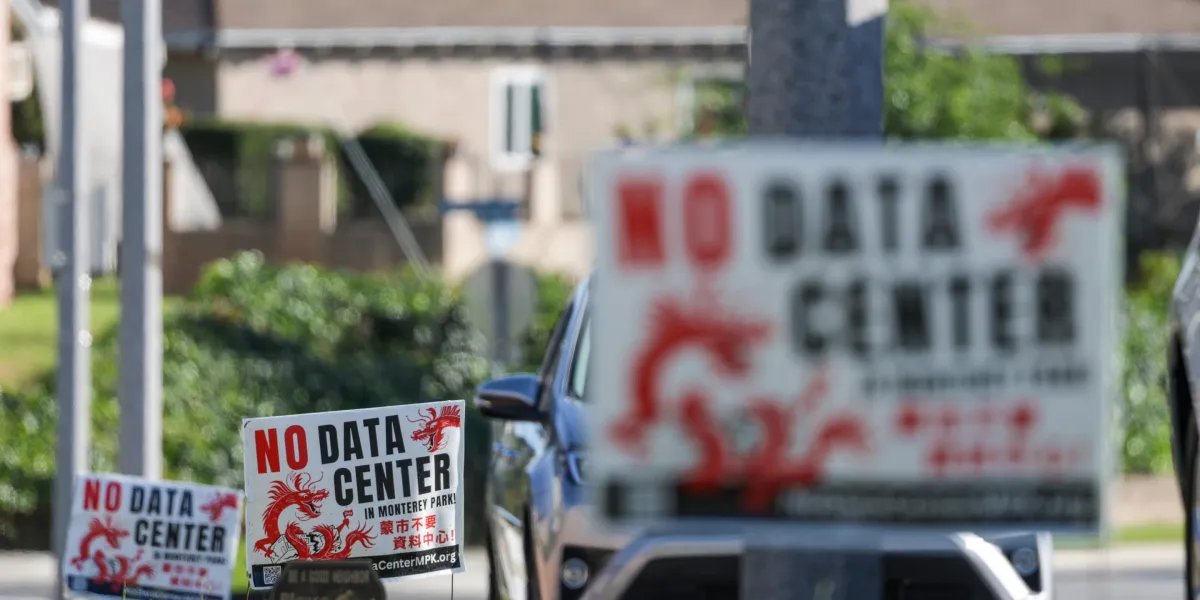
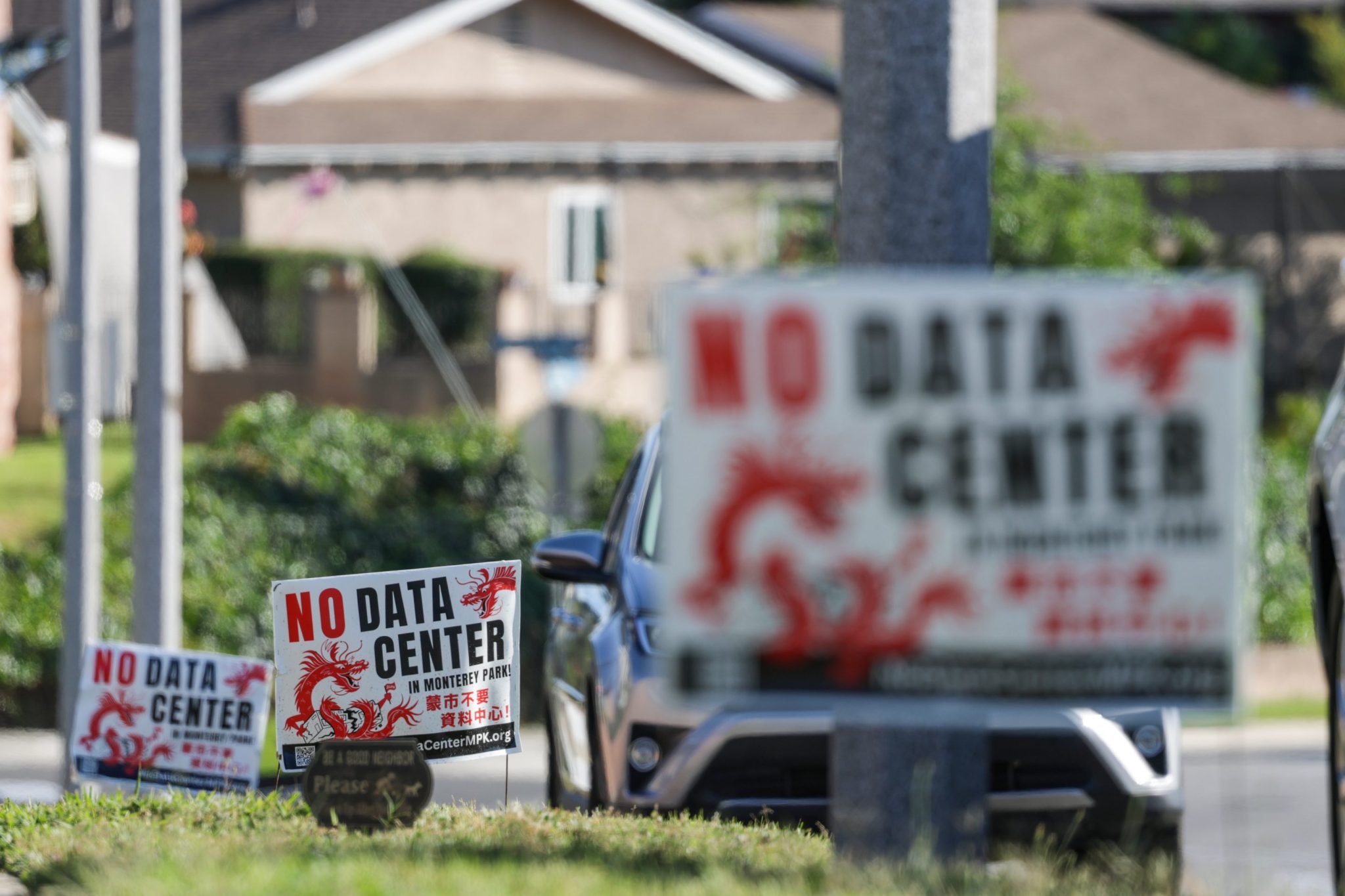
Citing their excessive power demands, water usage, and effect on property values, communities across the country have swelled in opposition against data center construction. A Pew survey last month found that while Americans are likely to have positive views on the potential local employment and tax revenue upsides of data centers, they are even more likely to have negative views regarding the infrastructure’s environmental cost and its energy usage.
The backlash has even become a political issue. Local opposition blocked or delayed at least 16 data centers last year, worth a combined total $64 billion. Last week, Maine lawmakers approved a proposal to implement a statewide moratorium on new data centers. If Governor Janet Mills allows it to become law, it might pave the way for a handful of other states to push forward their own legislation that would delay or halt construction, or otherwise give states more authority to weigh in on when and where data centers can be built. Last month, lawmakers in Congress proposed a regulatory tightening of data center construction nationwide as well.
Frustrations over data centers could also play electoral spoiler as midterms loom later this year. Higher power bills are central to voters’ rising affordability concerns. Electric and gas utilities requested more than $30 billion in rate increases last year, according to a January analysis by PowerLines, a consultancy, affecting 81 million Americans. Overall, power bills have risen 40% from 2021, the analysis found.
A number of factors contribute to high utilities, including the costs of upgrading and managing outdated grid infrastructure, expenditures that were rising long before the AI boom kicked off. But data centers’ ravenous energy needs have nonetheless received the brunt of the blame, with polling suggesting most households connect data center expansion with rising electricity costs. Lawmakers have acted accordingly, with bipartisan calls to monitor data center construction often packaged around affordability concerns.
Declining sentiment towards data centers matches AI’s similar fall from grace in the public sphere. Despite high excitement in the years following ChatGPT’s release, opinion has turned on the technology as online misinformation and fears of job losses mount. Americans are more likely to be concerned than excited about AI, and more than half say they expect the technology to do more harm than good in the long run. Some are even redirecting anxieties towards the masters of the AI universe, highlighted by a Molotov cocktail lobbed at the home of OpenAI CEO Sam Altman last week.
The energy frenzy is global, but particularly in the U.S. Data centers accounted for 17% of electricity demand growth worldwide last year, according to the IEA report, compared to around 50% in the U.S.
The country’s tech giants have gone full-steam ahead on data center construction in recent years, but with the public mood souring, the industry might soon struggle to find space to plug in its grand ambitions.