
Stereotypes stick, and some bosses have already made up their minds on Gen Z workers. Oscar-winning star Jodie Foster slammed the young staffers she encountered on the set of True Detective as “really annoying, especially in the workplace,” while fellow actress Whoopi Goldberg claimed that Gen Zers “only want to work four hours” yet expect to live in comfort.
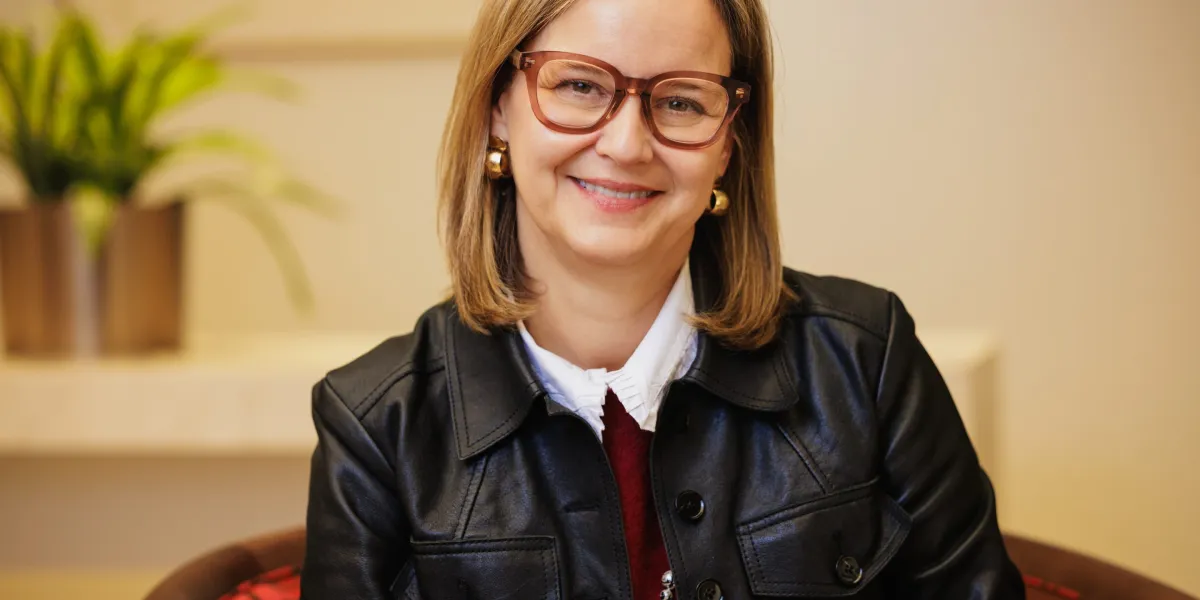
But the chief human resources officer at $62 billion giant Colgate-Palmolive is hitting back that young staffers aren’t the career sloths some typecast them to be. Sally Massey credits Gen Z as being ambitious, and incredibly tech savvy—critical skills that the consumer products company behind Colgate toothpaste and Irish Spring soap is looking for in talent.
“[Gen Z] have grown up with technology. They’ve grown up in a very different way than some of the other generations in the organization,” the CHRO tells Fortune.
“They bring with them new ideas, new perspectives, curiosity,” Massey adds. “They’re pushing us to get better and to do things differently—I think it’s great.”
Massey admits that Gen Z are bringing their own distinct “perspectives and expectations” to the workplace. And with 34,000 Colgate employees spread out among four generations, bridging the divide between age groups is especially daunting. So to ensure that everyone is working in harmony, the exec is revamping the usual chain of command; Colgate’s top leaders are hearing out entry-level staffers, stimulating the flow of ideas between ranks and generations to generate the best possible outcome.
“We’re not siloed by generation or tenure, the senior leaders at Colgate want to hear ideas and thoughts from the more junior employees,” Massey says. “It’s how we get better, because as you get more senior, you can get further away. So it’s important for all of us to stay close, connected, and to learn from each other—regardless of the role.”
Employers who value Gen Z talent—especially those with tech skills
Massey’s not alone. Not all employers have given up on hiring Gen Zers—despite headlines that suggest otherwise. In fact, many are still scoping out young talent with standout AI skills.
Emily Glassberg Sands, Stripe’s head of data and AI, revealed she’s all-in on hiring recent graduates at the $91.5 billion financial services company. Just like Massey, she singled out Gen Z’s tech adaptability as one of the in-demand skills she’s looking for in Stripe employees.
“I’m actually hiring more new grads—now, they’re largely new grad PhDs—but more new grads than ever before,” Glassberg Sands said on the Forward Future podcast last year. “Because they have the cutting edge skills, and they come in with fresh ideas, and they know how to think, and they know how to use the latest tools.”
Even when young employees drive their bosses up the wall, CEOs are still embracing Gen Z as movers and shakers. Matt Huang, the cofounder of the $12 billion crypto investment firm Paradigm, is all too familiar with the temperament of young workers. The company’s first hire, then-19-year-old college dropout Charlie Noyes, once showed up five hours late to his first 10 a.m. meeting. The business has also embraced Gen Z-coded, unorthodox ways of choosing its top executives; Paradigm’s chief technology officer, Georgios Konstantopoulos, was discovered on a Discord server while he was still a teenager.
Hiring these innovative—albeit, sometimes finicky—Gen Zers may sound like a gamble for traditional workplaces. The Paradigm CEO admitted that the young staffers can come with drawbacks, but the value they generate is worth any havoc they wreak in the office.
“They create an absurd amount of chaos sometimes and you want to pull your hair out,” Huang told Colossus Review last year. “But then you see what they can do and it’s like, holy crap. Nobody else in the world could do that.”
The business leaders backing up Gen Z against lazy stereotypes
Even the seasoned business experts teaching legions of Gen Z students are cutting in on criticism. Suzy Welch, a best-selling author and professor of management practice at New York University, hit back against those who brand the young generation lazy by reminiscing on her career journey. The baby boomer professor recalled having hope that she could one day be more successful than her parents—but for Gen Zers, that dream of prosperity is out of reach. Welch encouraged bosses to empathize with their unique job and economic vulnerabilities.
“Gen Z [has] no reason to believe that they’re ever going to have economic security,” Welch said on a podcast last year. “I don’t know about you, but I’m old enough that when I was in college, I thought ‘For sure, I’m going to have more money than my parents.’ And that ‘If I work very very hard I’m going to buy a house someday,’ and this was the assumption.”
“A lot of Gen Z [are] just saying ‘I’m not even sure we’re going to be alive in 20 years because of global warming,’” Welch continued. “And ‘The world is probably going to end anyway because of the stupidity of decisions your generations made.’”
Millionaire podcaster and former CNN legal analyst Mel Robbins also came to Gen Z’s defense. In response to stereotypes that young people are anxious, addicted to social media, and lazy, she posed one question: “Have you stopped to consider what it’s like to be a twentysomething today?” Chances are if critics try and envision stepping into their shoes, they’ll be met with the harsh reality that Gen Zers are under immense stress and pressure that didn’t exist just five years ago.
“The world is in chaos—and most twentysomethings had parents that lived in a very predictable, stable economy,” Robbins said in a TikTok video posted last year. “They went to a corporate job, they reported to the office, they had a network of friends at work. That’s not the typical 20-year-old experience.”