The steady march higher for precious metal prices has finally faltered, with both gold and silver dropping over the course of the weekend.
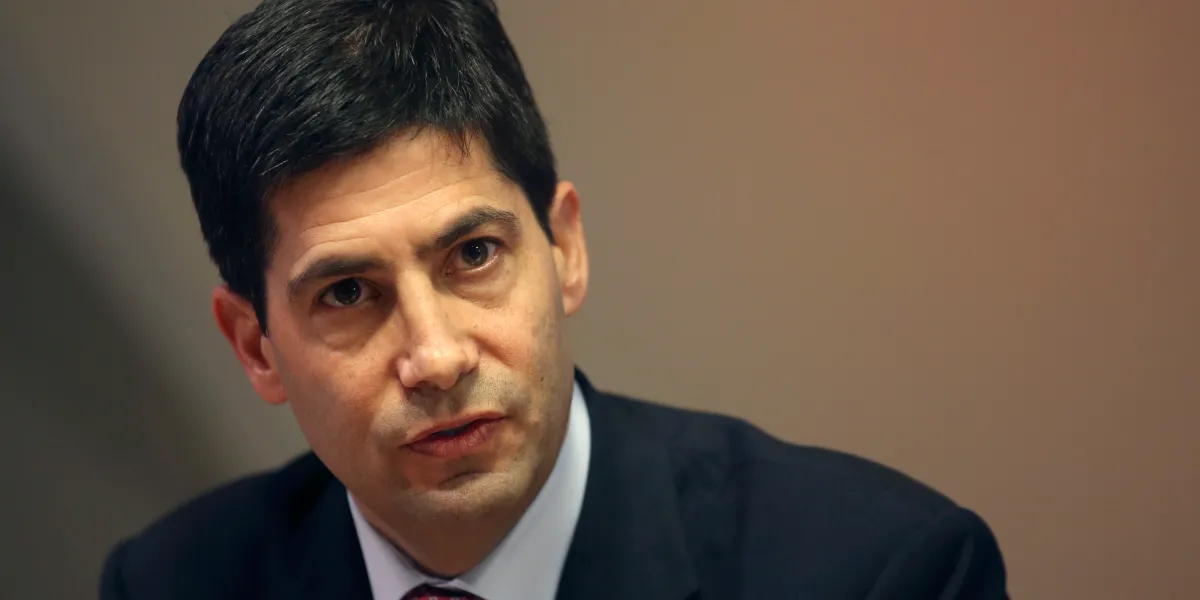
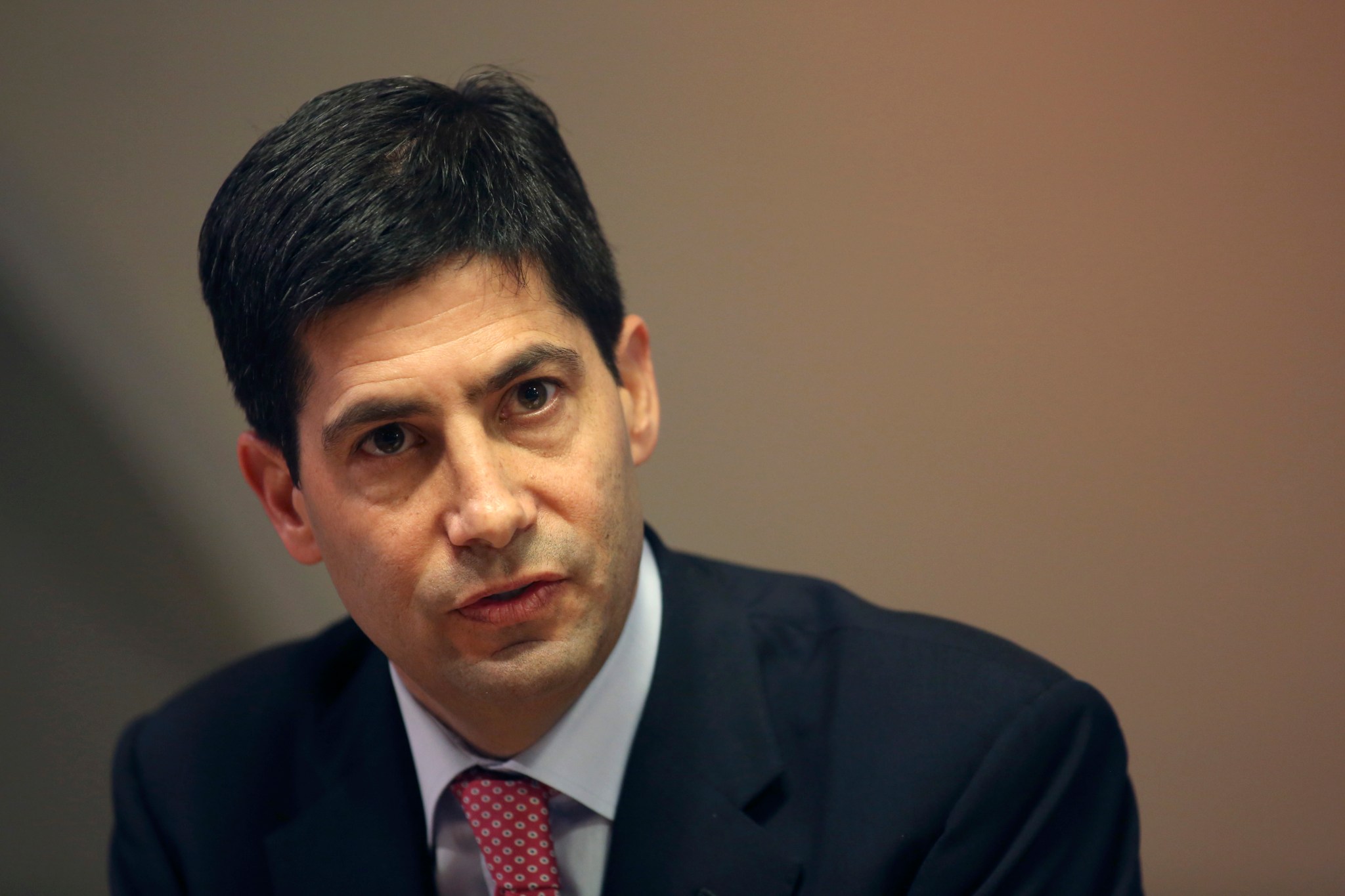
At the time of writing, gold is down to $4,700 per Troy Ounce, having sat comfortably above $5,000 for the latter part of January. Silver is also down to $80 per Troy Ounce, similarly dropping on Thursday when news that Kevin Warsh would receive the nomination for Fed chairman firmed up.
The price of precious metals, seen as an asset of safe haven, had pushed steadily higher over the past year in response to economic volatility. But Warsh, already a former Fed governor with a dovish stance on short-term monetary policy, but hawkish on the Fed’s balance sheet, triggered a change in sentiment last week.
Much of the excitement around gold and silver had boiled down to an argument for portfolio diversification outside of the usual portfolio norms (i.e. bonds or cash), driven by fears about institutional factors such as the value of the U.S. dollar, central bank independence, and the level of national debt.
Warsh answers two of those questions. He is seen by markets as being not too-closely linked to the Trump administration, as well as being an individual who wants a tighter quantitative stance—making the Fed less of a backstop for government borrowing.
As Jim Reid at Deutsche Bank noted this morning, gold recorded its biggest single-day decline since 2013. He wrote to clients: “Warsh is known to be more hawkish on the balance sheet than other candidates, pushing back against the prevailing debasement narrative that has supported precious metals. That said, price action had long since detached from any sane discussion on debasement, but it often takes only a small ripple to trigger a broader correction, especially when there is leverage around.”
Over at UBS, chief economist Paul Donovan agreed the correction wasn’t a particularly significant shift, though he was less convinced it was a reaction to big-picture factors like the Fed. He wrote: “The sharp decline in gold and silver prices has relatively little economic significance. While attempts will be made to spin this as a reaction to fundamental economics, it seems more likely that the ‘fear of missing out’ trade became exhausted.”
“The run-up in prices was over too short a period to have created major wealth effects, so correcting to a price more in line with economic fundamentals would be regarded as an economic positive (avoiding a misallocation of resources).”
Indeed, Bank of America’s Candace Browning Platt wrote in a note yesterday that gold’s rally over the past three months has come with “increasing instability.” The financial giant’s Bubble Risk Indicator for the asset rose to near 1 earlier this week, “signifying a risk in both tails” the economist added.
A blip not a downturn
That being said, Deutsche Bank remains bullish on gold’s target, saying it will hit $6,000/oz.
Research analyst Michael Hsueh wrote today that the price of the precious metal will tick higher for three reasons. The first, investor intentions have not changed significantly for the worse in the long term, investors’ rationale for buying gold in the first place (to balance against potential fundamental volatility) has not changed, and thirdly China is increasingly a prominent driver in precious metals.
In China, for example, Hsueh said gold ETF additions may hit a new high this year—if January buying rates are annualized—having already risen strongly in 2025.
“It is hazardous to assume we know what is in the mind of the representative investor in precious metals, or to even assume there is a single representative investor. That said, significant institutional investors have signalled the probability of a gradual multi-year diversification away from dollar-denominated assets, and we are not aware that this has changed,” he said.
“If this inclination is reaffirmed in coming months, we believe this may have meaningful confidence effects for other investors, much as central bank purchase have done in the past.”
Here’s a snapshot of the markets ahead of the opening bell in New York this morning:
- S&P 500 futures were down 0.96%.
- The STOXX Europe 600 was flat in early trading.
- The U.K.’s FTSE 100 was up 0.26% early trading.
- Japan’s Nikkei 225 was down 1.25%.
- China’s CSI 300 was down 2.13.
- The South Korea KOSPI was up down 5.26%.
- India’s Nifty 50 was up 1.06%%.
- Bitcoin was down to $77.67k.