A proposed wealth tax aimed at billionaires hasn’t yet qualified for California’s ballot, but it’s already sparked intense pushback from tech founders in the state.
It started when the New York Times reported that venture capitalist Peter Thiel and Google cofounder Larry Page were looking into leaving California in case the tax becomes law.
Democratic Rep. Ro Khanna, who represents part of Silicon Valley, flagged the story on X and echoed President Franklin Roosevelt by adding “I will miss them very much.”
The proposal calls for California residents worth more than $1 billion to pay a one-time tax equivalent to 5% of their assets that can be paid over five years.
The wealth tax’s backers, who want to use the revenue to help offset federal funding cuts for healthcare, must still gather enough signatures before it can get on the ballot in November 2026.
While Khanna is a member of Congress and not a California state lawmaker, his support for the wealth tax unleashed a flood of negative reactions.
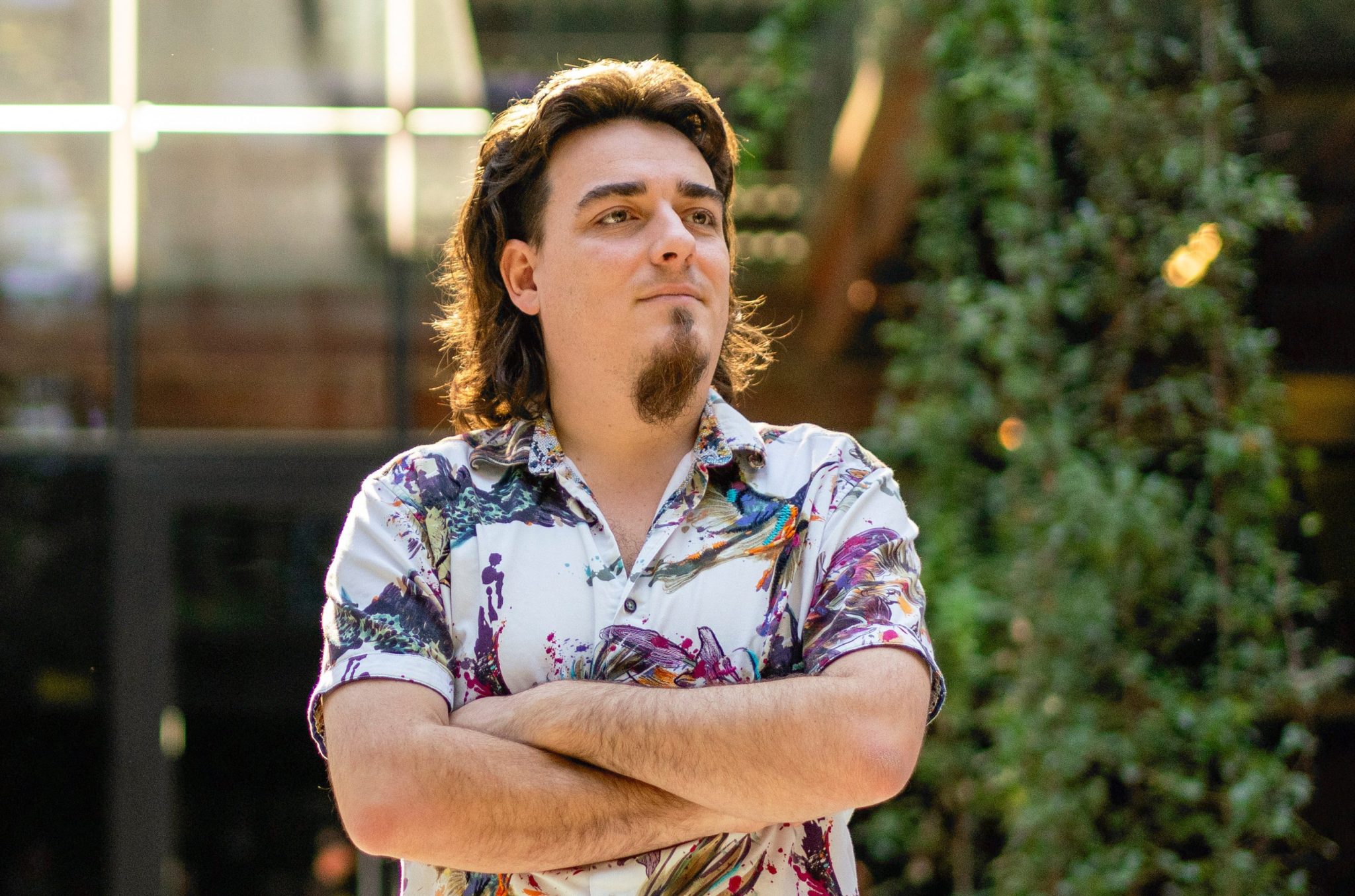
Palmer Luckey, cofounder of defense tech startup Anduril, warned the tax would force founders to sell big pieces of their companies to pay for “fraud, waste, and political favors for the organizations pushing this ballot initiative.”
If he and his wealthy peers can’t come up with billions of dollars in cash to pay the tax, he said the state could seize his home and garnish his wages.
“One market correction, nationalization event, or prohibition of divestiture (not at all uncommon during wartime) and I am screwed for life,” Luckey posted on X.
Of particular concern is how the potential wealth tax might treat paper profits from stock gains and stakes in companies that haven’t gone public, a key form of compensation among startups that have yet to turn profitable.
Figma cofounder and CEO Dylan Field pointed out that founders and potentially early employees could get caught up in the wealth tax but wouldn’t be able to use company stock to pay it. Some founders may also have to pay capital gains taxes, meaning they would face a “double tax event.”
And in the event a startup has an unsuccessful year, founders still on the hook for the wealth tax may be forced to lower their startup’s valuation via a “down round” that would make it harder to draw talent and investors; take out a loan that they may have trouble repaying; or leave California.
“Silicon Valley startups (ironically) follow the herd. Once enough respected companies/founders establish a pattern, other startups will follow, even if the wealth tax does not apply to them yet,” Field posted on X.
For his part, Khanna said he opposes capital gains taxes on unrealized income and supports workarounds for founders with illiquid assets and unprofitable companies.
He also said tax dollars helped build the AI industry and dismissed the idea that tech entrepreneurs wouldn’t start companies in the state due to a 1% per-year tax, adding that innovators are drawn to the area’s talent.
“We cannot have a nation with extreme concentration of wealth in a few places but where 70 percent of Americans believe the American dream is dead and healthcare, childcare, housing, education is unaffordable,” he said on X. “What will stifle American innovation, what will make us fall behind China, is if we see further political dysfunction and social unrest, if we fail to cultivate the talent in every American and in every city and town.”
But Dave Friedberg, cofounder and CEO of Ohalo Genetics, said the wealth tax still amounts to an “organized government seizure of private property from citizens” who have already paid other taxes that can total 53% in California.
He said the tax flirts with socialism and represents “a slippery slope that has never gone anywhere good (see economic effects in USSR, Cuba, Venezuela, France and Norway wealth tax etc.)”
Garry Tan, CEO of tech startup accelerator Y Combinator, told the New York Post that the wealth tax would drive capital out of the state, hurt innovation, and eventually weaken support for healthcare services.
“This measure would cause a stampede of unicorns out of California to other states, which would reap the benefits of entrepreneurs, technology and jobs that California enjoys now,” he added.