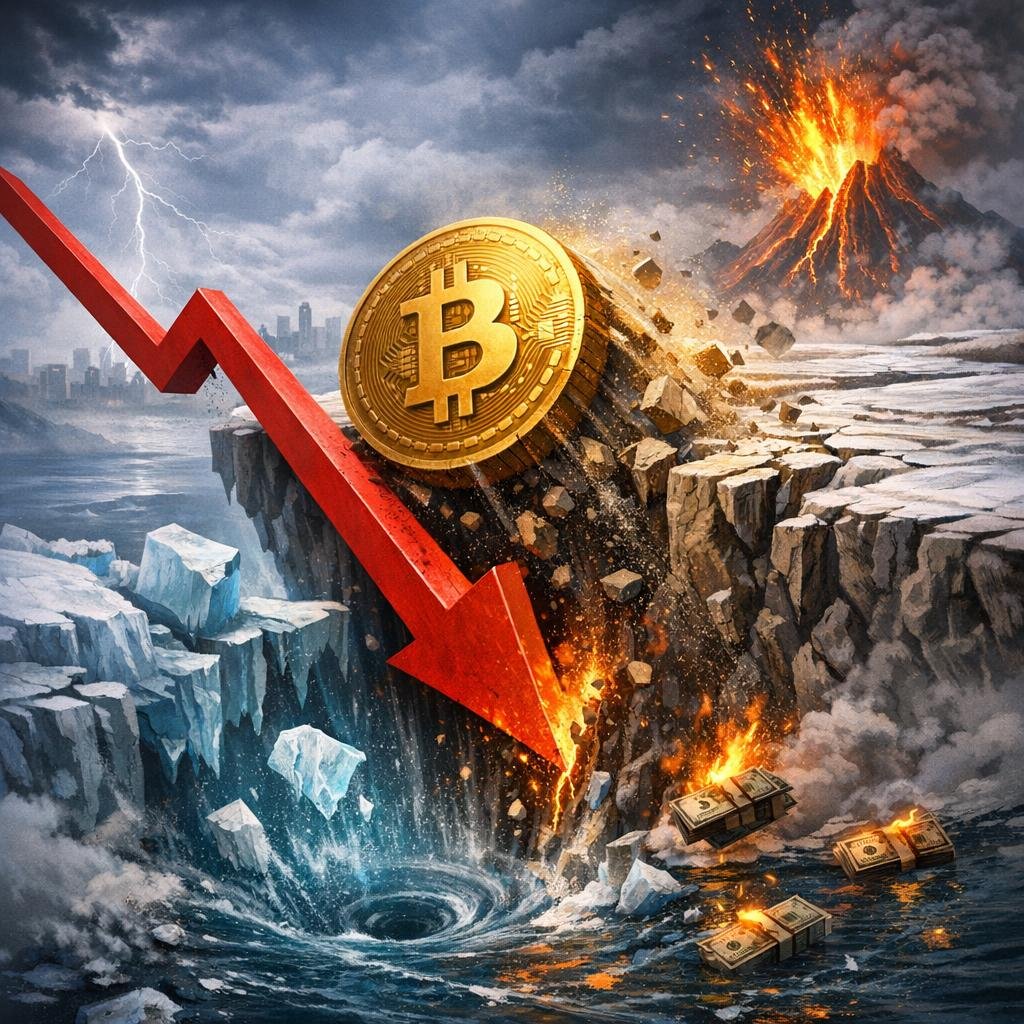
Ethereum’s layer-1 network processed 203.9 million transactions in the second quarter of 2026, up 68.4% year over year, with average throughput reaching an all-time high of 25.9 transactions per second. The price has followed at a distance. Recent Ethereum news puts ETH at $2,474.27, down 1.5% over the past 24 hours.
What does this new data reveal? More transactions are moving through Ethereum’s base layer while fewer distinct participants are responsible for generating them. The gap suggests activity is increasingly driven by high-frequency users, protocols, automated systems, and infrastructure providers rather than a broadening retail base. A dynamic that complicates any bull case built purely on adoption metrics.
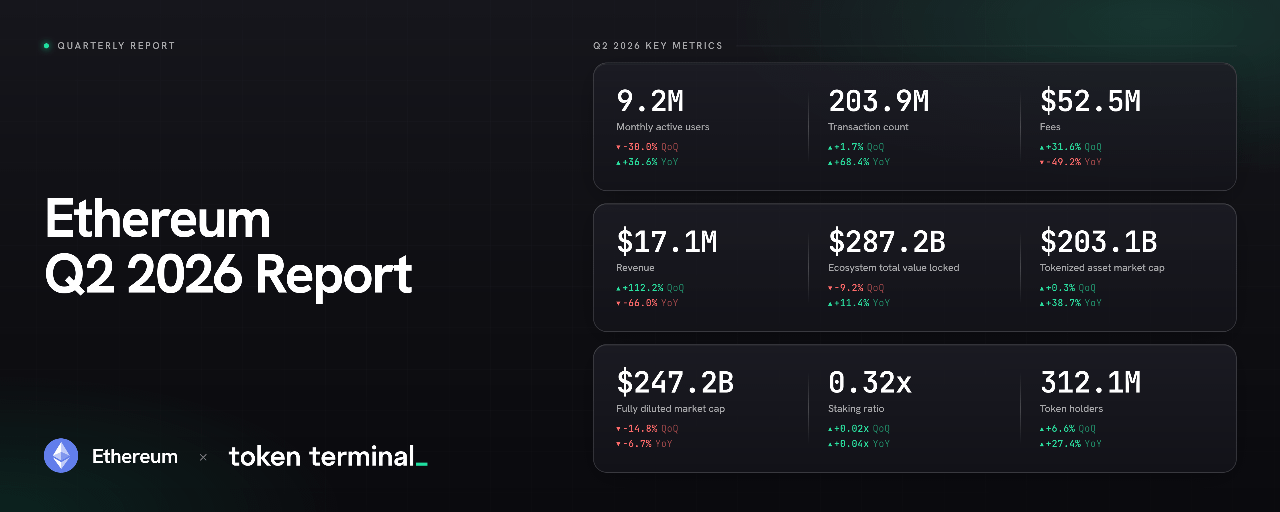
Ethereum Q2 2026 Report Token Terminal
Market Intelligence: Crypto Analyst Predicts Best New Crypto to Hodl
Latest Ethereum News: Fees, Staking, and Tokenization Records
The Q2 dataset extends beyond transaction counts. Onchain fees rose 31.6% to $52.5 million, while ETH burn revenue, the portion of fees permanently removed from circulating supply, climbed 112% to $17.1 million. Both figures point to transactions carrying more economic weight than a year earlier, even with fewer active wallets behind them.
Staking participation also set records, with the share of ETH staked reaching 32% and the number of ETH-holding addresses climbing to an all-time high of 312.1 million. Tokenized assets on Ethereum averaged roughly $203.1 billion during the quarter, including approximately $176.8 billion in stablecoins and $20.8 billion in tokenized funds, reinforcing Ethereum’s positioning as a settlement infrastructure.
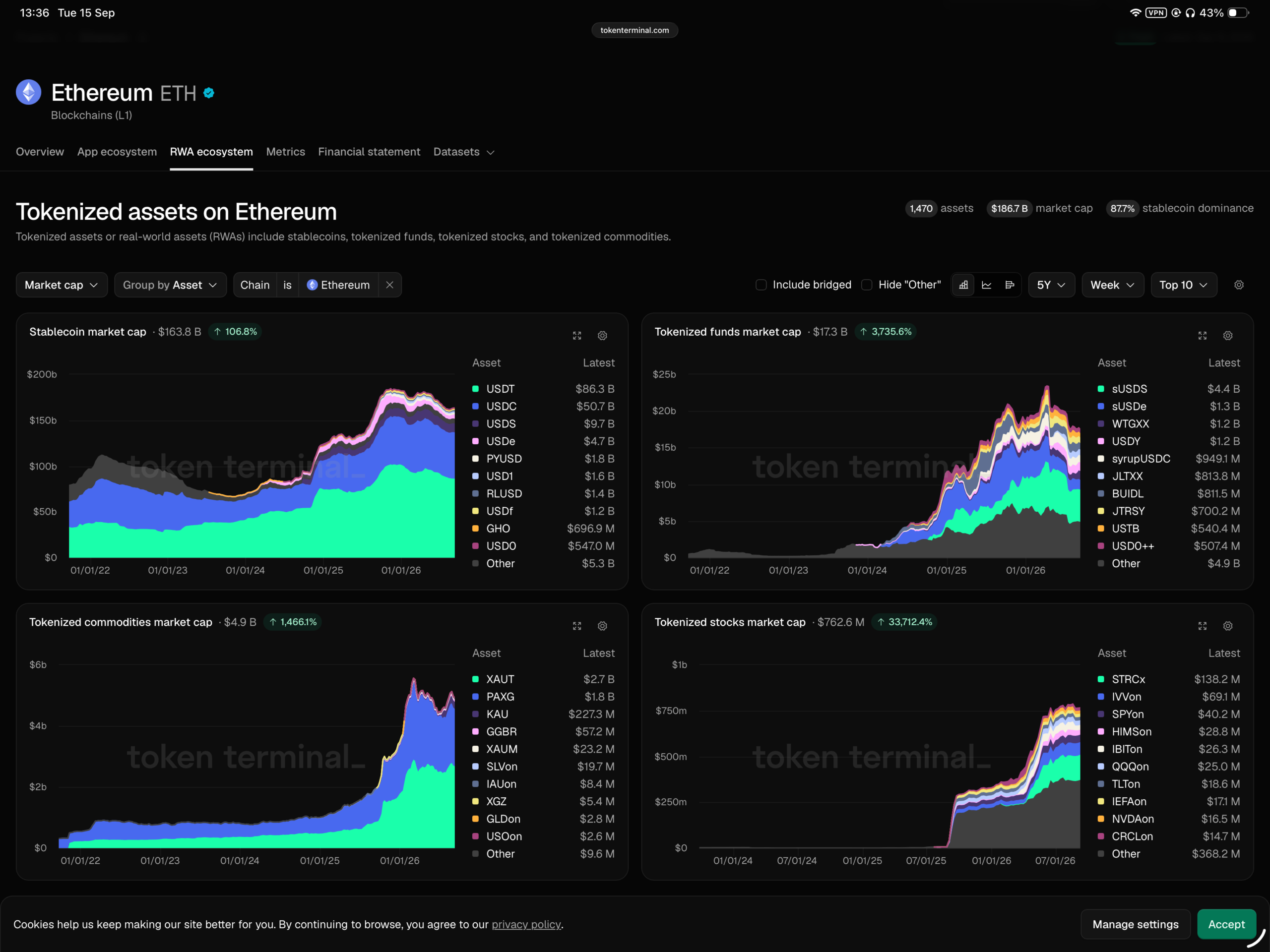
Ethereum RWA Ecosystem Token Terminal
That framing echoes patterns seen elsewhere in the ecosystem, including concentrated institutional accumulation covered in CoinSpeaker’s reporting on BitMine’s ETH holdings and cross-chain activity migrating onto Ethereum’s base layer, as described in CoinSpeaker’s coverage of the Harmony migration.
A Second Consecutive Record Quarter: What the Divergence Means for Ethereum’s Narrative
Q2’s numbers extend a trend visible earlier in the year. Supplementary research citing Token Terminal figures indicates Q1 2026 already carried 200.4 million L1 transactions and average throughput near 25.78 TPS. The monthly active users then averaged around 13.2 million, a level that makes the subsequent 30% drop more pronounced.
Some research also points to a raised block gas limit as a possible capacity driver behind the sustained throughput gains, though the primary source data does not confirm this explanation directly.
Based on the latest Ethereum news, the chain generated more fees, burned more ETH, and served fewer active participants in the same quarter, a combination that resists easy interpretation. The 32% staking rate tightens liquid ETH supply, a dynamic some traders treat as a structural tailwind, though that remains an interpretation rather than a guaranteed price outcome.
Machi Big Brother has opened a $98,000,000 $ETH long position.
Liquidation Price: $2,429 pic.twitter.com/ZS0DfJK7As
— Ted (@TedPillows) September 15, 2026
ETH fell from around $2,400 in early April to lows near $1,500 by June before recovering above $2,500 by mid-September, leaving open whether that rebound reflects the underlying activity data or a broader market bounce. Whether Q3 active-user counts stabilize or continue declining will likely determine if this pattern reflects institutional deepening or a genuine narrowing of Ethereum’s user base.
Market Intelligence: Crypto Security Analyst Recommends Best Anonymous Crypto Wallets
Disclaimer: Coinspeaker is committed to providing unbiased and transparent reporting. This article aims to deliver accurate and timely information but should not be taken as financial or investment advice. Since market conditions can change rapidly, we encourage you to verify information on your own and consult with a professional before making any decisions based on this content.

Daniel Frances is a technical writer and Web3 educator specializing in macroeconomics and DeFi mechanics. A crypto native since 2017, Daniel leverages his background in on-chain analytics to author evidence-based reports and deep-dive guides. He holds certifications from The Blockchain Council, and is dedicated to providing “information gain” that cuts through market hype to find real-world blockchain utility.