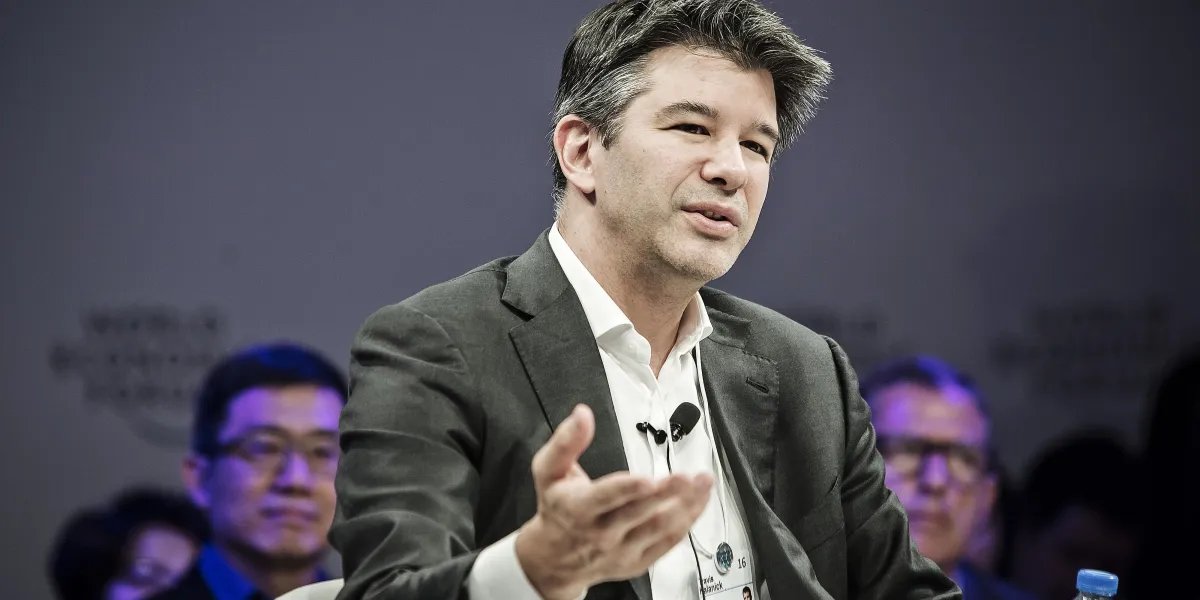

Tech YouTuber Marques Brownlee, widely known as MKBHD, has reignited debate around YouTube’s dislike feature after revealing the one change he would make if he were in charge of the platform.
During a conversation published on March 17, 2026, Marques Brownlee said he would bring back the public dislike button, describing it as a key indicator of video quality, as reported by Dexerto. His comments quickly spread across social media, where users echoed his concerns about transparency on the platform.
In reactions captured in posts circulating online, some users argued that removing visible dislikes has limited audience feedback, with one viral sentiment claiming YouTube had “removed the voice of the people.”
Many users also pointed out how they belived the dislike helped moderate quality of content on YouTube.
Marques Brownlee calls dislike button a “quality indicator”
According to Dexerto, Marques Brownlee made the remarks during an interview with fellow creator Jon Youshaei, where he was asked what he would change if he became YouTube CEO. His answer was direct: restore the dislike button’s visibility.
In a tweet, he described the feature as “the one glanceable quality indicator” for viewers deciding whether to watch a video. Marques Brownlee also raised concerns about YouTube’s thumbnail and title testing system, noting that constant changes can make it difficult to tell whether a video has already been watched. He saidm
“I just feel like I don’t like when I’m watching videos and the titles change and the thumbnails change and I realize I’ve been watching a video I’ve already seen”
The YouTuber also added that while A/B testing can be useful, most small changes have minimal impact on performance. Marques Brownlee emphasized that, beyond these concerns, bringing back the dislike count remains his top request for improving user experience on the platform.
YouTube’s dislike removal continues to draw criticism
YouTube first removed public dislike counts in 2021, a move aimed at reducing targeted harassment and “dislike-bombing,” particularly against certain groups of creators as reported by Tubefilter, on December 19, 2025. While YouTube users can still click the dislike button, the total number is now visible only to creators.
The decision was reportedly controversial from the outset. Critics argued that hiding dislikes removed a layer of accountability and made it harder for viewers to assess content credibility. In response, developers created browser extensions to restore approximate dislike counts.
YouTube has continued experimenting with the feature. According to Tubefilter, the platform has tested alternatives such as renaming the dislike button to “Not Interested” or moving it into secondary menus, especially on Shorts. These experiments suggest YouTube is still exploring how to balance user feedback with concerns about misuse.
Marques Brownlee’s comments have amplified an ongoing divide between platform design priorities and user expectations. While YouTube has focused on reducing negative behavior, many viewers see the removal of public dislikes as a loss of transparency.
The online reaction reflects that tension. Social media responses captured alongside Brownlee’s remarks show users framing the dislike count as a form of collective feedback. Brownlee’s suggestion of clearer indicators for previously watched content points to a growing demand for consistency and clarity on the platform.
As YouTube continues to test new approaches, the renewed attention sparked by one of its most prominent creators underscores that the debate around dislikes is far from settled.
Edited by Devangee Halder