NEWYou can now listen to Fox News articles!
For the first time, Americans with depression will soon be able to use a prescription brain-stimulation device at home.
The approval comes from the U.S. Food and Drug Administration and marks a major shift in how mental health conditions may be treated. The newly approved device is called FL-100, and it comes from Flow Neuroscience.
It is designed for adults 18 and older with moderate to severe major depressive disorder. Clinicians can prescribe it as a stand-alone treatment or alongside antidepressants and therapy. This decision matters because depression affects more than 20 million adults in the US. Roughly one-third do not get enough relief from medication or stop taking it due to side effects.
Sign up for my FREE CyberGuy Report
Get my best tech tips, urgent security alerts and exclusive deals delivered straight to your inbox. Plus, you’ll get instant access to my Ultimate Scam Survival Guide – free when you join my CYBERGUY.COM newsletter.
SIMPLE DAILY HABIT MAY HELP EASE DEPRESSION MORE THAN MEDICATION, RESEARCHERS SAY
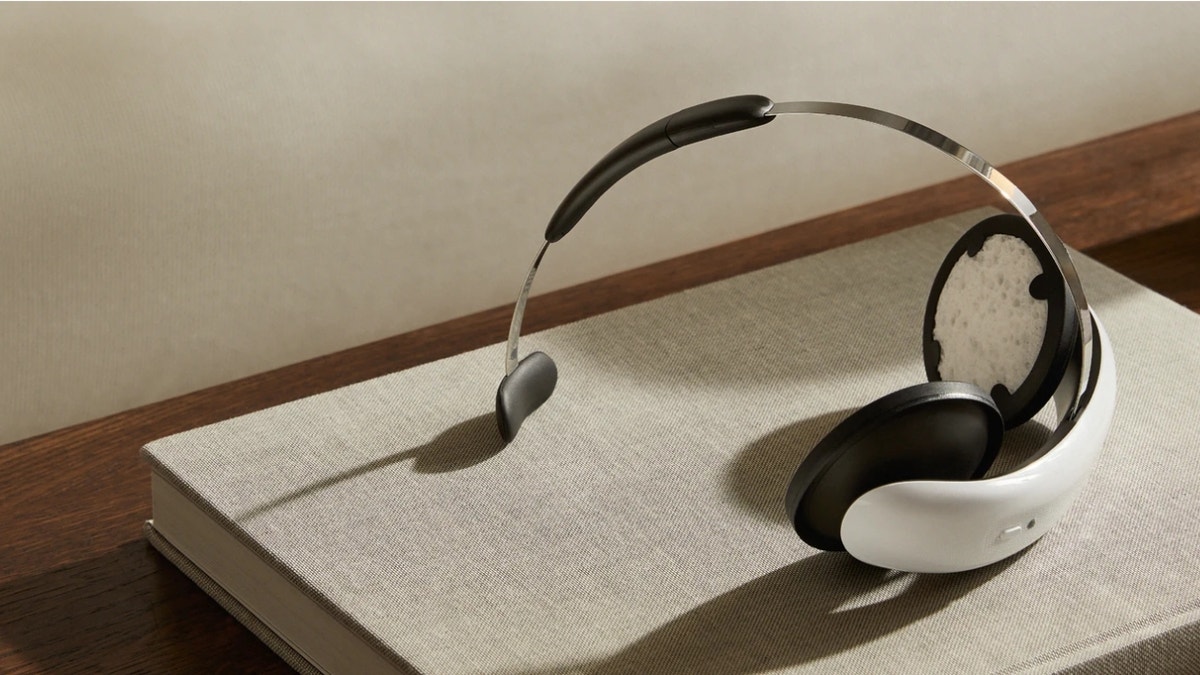
Flow Neuroscience has gotten approval from the U.S. Food and Drug Administration for its FL-100 prescription brain-stimulation device. (Flow Neuroscience)
How the Flow FL-100 works
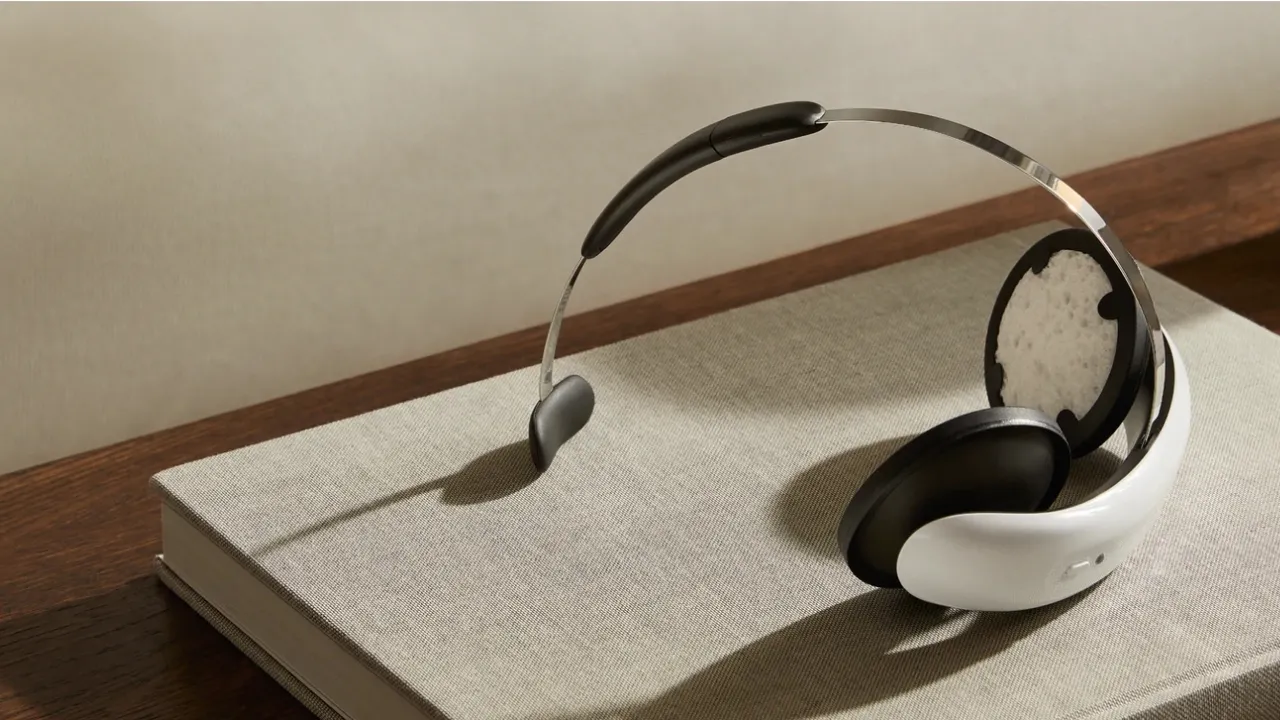
The FL-100 uses transcranial direct current stimulation, often shortened to tDCS. This technology delivers a gentle electrical current to the prefrontal cortex, a region of the brain tied to mood regulation and stress response. In many people with depression, activity in this area is reduced. By stimulating it, the device aims to restore healthier brain signaling over time. The system looks like a lightweight headset and pairs with a mobile app. Patients use it at home for about 30 minutes per day while clinicians monitor progress remotely.
The clinical results behind the approval
The FDA based its decision on a randomized controlled trial that evaluated home use under remote supervision. Participants who received active stimulation showed meaningful improvement on clinician-rated and self-reported depression scales. After 10 weeks of treatment, patients experienced an average symptom improvement of 58 percent compared to a control group. Many users reported noticeable changes within the first three weeks. The study was published in the journal Nature Medicine, adding credibility to the findings. Side effects were generally mild and short-term. Reported issues included skin irritation, redness, headaches, and brief stinging sensations at the electrode sites.

The FDA has approved the first prescription brain-stimulation device for at-home treatment of depression in the U.S., marking a major shift in mental health care. (hoto by ISSAM AHMED/AFP via Getty Images)
A growing shift toward tech-based mental health care
Flow’s device has already been used by more than 55,000 people across Europe, the UK, Switzerland, and Hong Kong. In the UK, it is prescribed within parts of the public health system. Company leaders say the US approval opens the door for broader access to non-drug treatment options. The momentum is not isolated. In 2025, researchers at UCLA Health developed another experimental brain-stimulation approach, signaling rapid growth in this field. Together, these advances suggest that at-home neuromodulation may soon become a standard part of depression care rather than a fringe option.
When will the device be available
Flow expects the FL-100 to be available to US patients in the second quarter of 2026. A prescription will be required, and the companion app will be available on iOS and Android. The company also plans to explore additional uses for its platform, including sleep disorders, addiction, and traumatic brain injury.
10 HEALTH TECH PRODUCTS STEALING THE SPOTLIGHT AT CES 2026

Flow Neuroscience’s FL-100 headset delivers mild electrical stimulation to the brain and can be prescribed for home use under medical supervision. (Flow Neuroscience)
What to know before trying Flow
Flow is FDA approved for adults 18 and older with moderate to severe major depressive disorder, and it requires a prescription from a licensed healthcare provider. Doctors can recommend it on its own or alongside medication or therapy. The headset is non-invasive and designed for home use, but it is not meant for emergency situations or people considered treatment resistant. It also does not replace crisis care or immediate mental health support. Most users wear the headset for about 30 minutes per session. Mild tingling, warmth, skin irritation, or headaches can happen, especially early on. These effects are usually short-lived and monitored by a clinician through the companion app.
Flow pairs with a mobile app that guides treatment and supports remote clinical oversight. Your provider sets the treatment plan, and the device follows prescribed settings to ensure safe use. Pricing and insurance coverage may vary once the device becomes available in the US. Some patients may access Flow through clinics, research programs, or as it becomes more widely adopted in routine depression care. The bottom line is simple. Flow adds another evidence-based option, not a cure and not a one-size-fits-all solution. For people who have struggled to find relief, having another clinically proven choice can matter a lot.
What this means to you
If you or someone you care about struggles with depression, this approval expands the range of real treatment options. It offers a non-drug path that can be used at home under medical guidance. For patients who have not responded well to medication or who experience unwanted side effects, this could provide another way forward. It also reflects a broader trend toward personalized, tech-enabled mental health care.
Take my quiz: How safe is your online security?
Think your devices and data are truly protected? Take this quick quiz to see where your digital habits stand. From passwords to Wi-Fi settings, you’ll get a personalized breakdown of what you’re doing right and what needs improvement. Take my Quiz here: Cyberguy.com.
ELON MUSK SHARES PLAN TO MASS-PRODUCE BRAIN IMPLANTS FOR PARALYSIS, NEUROLOGICAL DISEASE

The newly approved device targets adults with moderate to severe depression and can be used alongside medication or therapy. (Photo by Sarah Silbiger/Getty Images)
Kurt’s key takeaways
This FDA approval feels like a real turning point. For years, brain stimulation for depression stayed locked inside clinics. Now it can happen at home with a doctor still guiding the process. That matters for people who have tried medications, dealt with side effects, or felt stuck with limited options. This device will not be the right answer for everyone, but it gives patients and doctors one more proven tool to work with. And for many people living with depression, having another option could make all the difference.
If a doctor could prescribe a brain-stimulation headset instead of another pill, would you be open to trying it? Let us know by writing to us at Cyberguy.com.
CLICK HERE TO DOWNLOAD THE FOX NEWS APP
Sign up for my FREE CyberGuy Report
Get my best tech tips, urgent security alerts and exclusive deals delivered straight to your inbox. Plus, you’ll get instant access to my Ultimate Scam Survival Guide – free when you join my CYBERGUY.COM newsletter.
Copyright 2026 CyberGuy.com. All rights reserved.