- Current rate within the range of neutral
- Upcoming rate decisions will need to be ‘finely tuned’ given risks to both unemployment and inflation goals
- Both sides of the mandate ‘bear watching’
- Inflation has come down but remains above target
- Unemployment remains low but do not want the job market to deteriorate much further
- Last year showed the economy’s resilience, but demand and job growth are narrowly focused on certain industries, and sentiment has dipped
- Expect last year’s confidence to diminish in 2026, building confidence among consumers
This reads as hawkish, or at least someone who is unsupportive of cuts unless jobs data deteriorates.
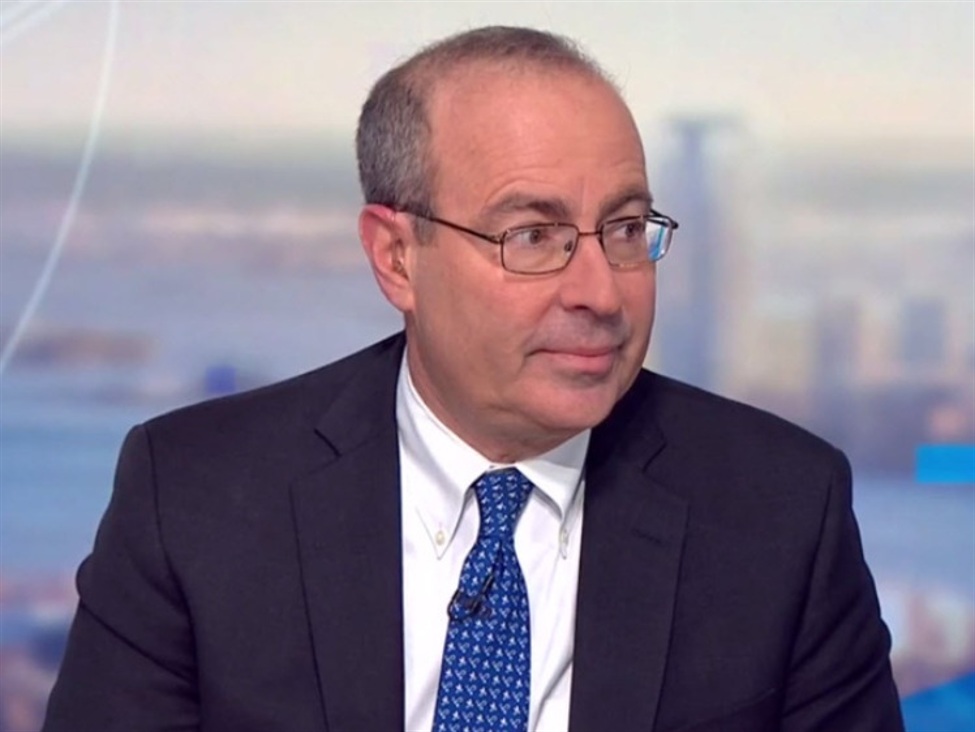
Throughout late 2025, Richmond Fed President Thomas Barkin has emerged as a bellwether for the central bank’s cautious core, consistently highlighting the difficulty of navigating conflicting economic signals. By November, Barkin characterized policy as “modestly restrictive” but expressed deep uncertainty regarding the path forward, noting that the Fed is effectively “feeling its way through” a data-poor environment.
Note the change from ‘modestly restrictive’ to ‘within the range of neutral’ today. There is no truly pinpointing where ‘neutral’ is so it’s vague semantics at best but it’s telling.
Barkin’s commentary late last year revealed a tension: while inflation remains above target, he views it as unlikely to accelerate due to consumer “exhaustion” and productivity gains. Simultaneously, he has identified a “noticeable shift” in the labor market, observing that while job growth is slowing, the supply of applicants is rising. Downplaying the utility of long-term forecasts, Barkin argues that neither mandate currently demands an aggressive response. Consequently, he signaled that the decision for the December meeting was a coin toss. It’s not clear if he supported it as he wasn’t a voter in 2025 and won’t be one in 2026.
For this year, Barkin sounds like he sees an improved consumer and economy, something more likely to keep rates where they are.
Market pricing pegs a March rate cut at 64%.