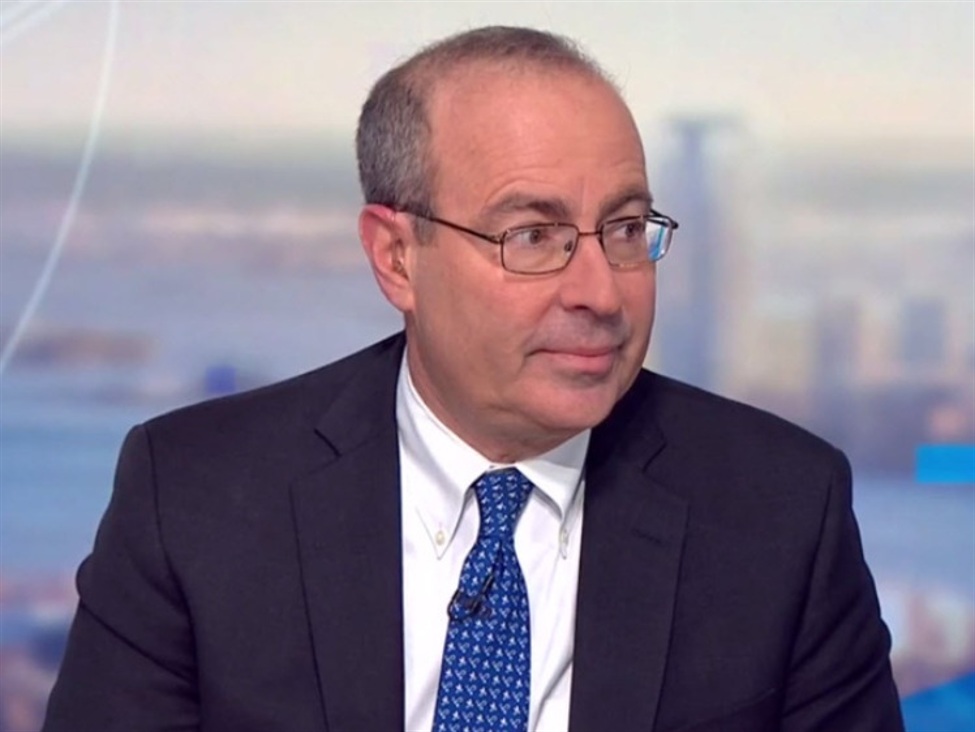
Headlines from Barkin:
-
Federal Reserve changes must be finely tuned to incoming data
-
Both sides of central bank mandate face significant risks
-
Unemployment remains at historic lows but has recently ticked up
-
Inflation has decreased but still remains above 2% target
-
Interest rates are now within range of neutral estimates
-
No one wants labor market to experience further deterioration
-
US economy has shown remarkable resilience despite major disruptions
-
Job growth and demand are currently narrow, driven by health care and ai
-
High-income consumers are sustaining demand as sentiment dips elsewhere
-
Uncertainty from 2025 is expected to diminish as the “fog lifts”
-
Tax refunds and deregulation will likely add stimulus to economy
-
Lower mortgage rates will not resolve fundamental housing supply shortages
Barkin is likely on the sidelines as earlier this month he said rates were “within the range of estimates of neutral”. He is characterizing the current economic phase as a “delicate balance” where risks to employment and inflation are now roughly equal. While he acknowledges the economy’s resilience, he warns that growth is currently “narrow,” heavily reliant on the AI ecosystem and wealthy consumers.
He is particularly focused on layoff data to see if the current “low-hiring, low-firing” environment shifts toward a more significant downturn. Looking ahead, he anticipates that fiscal stimulus from recent tax changes and a reduction in policy uncertainty should support hiring and investment throughout 2026.
In late 2025 (especially during the government data shutdown in October/November), Barkin described the Fed as “driving through fog” and “feeling its way through” a data-poor environment. His 2026 outlook is more optimistic; he expects the “fog to lift” and uncertainty to diminish.
Barkin isn’t a voter this year but he’s a good barometer for the core of the FOMC. The dollar was unmoved on the comments and the market is now pricing April as 50/50 for a rate cut.