NEWYou can now listen to Fox News articles!
Senator Flavio Bolsonaro, son of former President Jair Bolsonaro, won the first round of the Brazilian presidential election tonight, turning in a surprisingly strong showing, and continuing a long run of wins for Latin American Trump-backed right-wing candidates.
Although the race had tightened considerably in the weeks leading up to the election, the vast majority of the polls showed incumbent President Ignacio Lula da Silva with a single digit lead.
Bolsonaro will now face off against President Lula da Silva in an October 25 second round election. With 99% of the votes in, Bolsonaro led Lula 47.2% to 44.9%, in a race Lula had widely been expected to win.
LATIN AMERICA’S CONSERVATIVE SHIFT FACES ITS BIGGEST TEST YET IN BRAZIL ELECTION
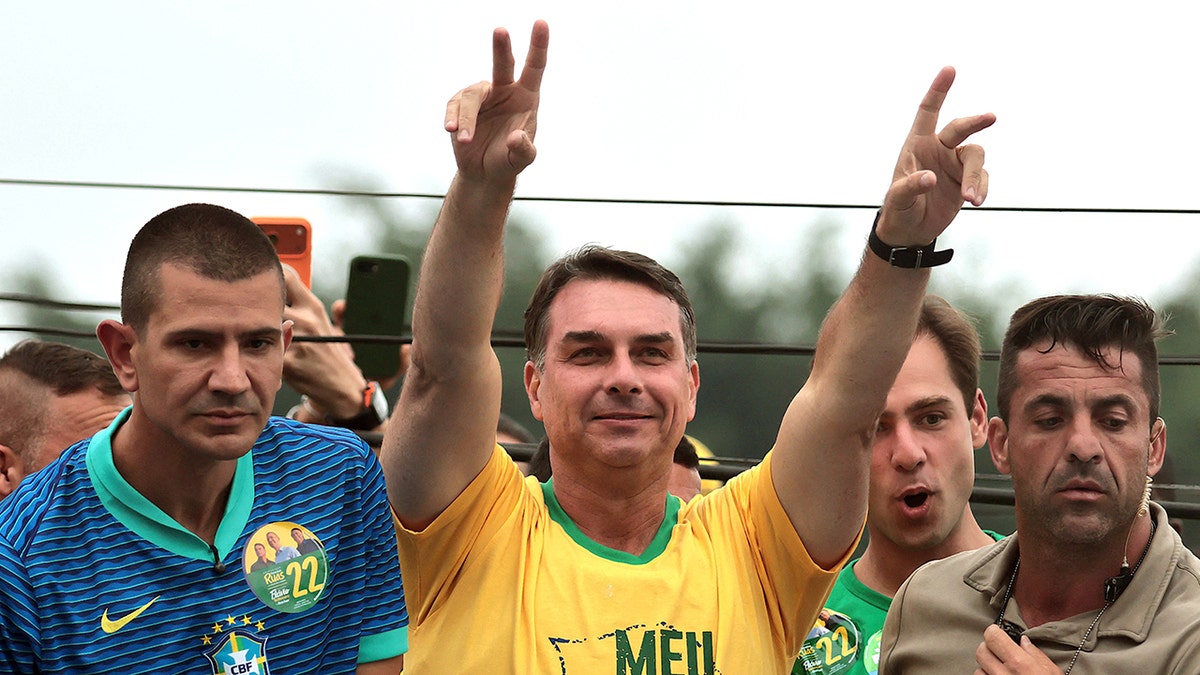
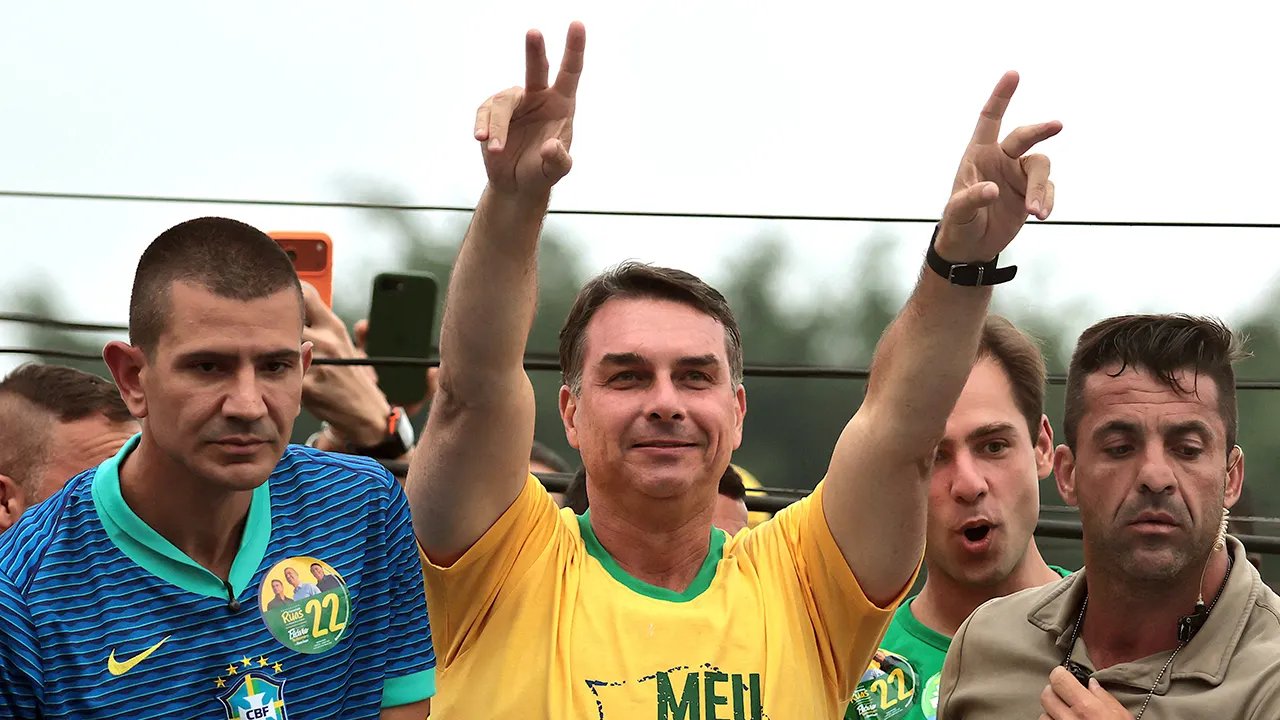
Brazil’s right-wing senator and presidential candidate Flavio Bolsonaro of the Liberal Party (PL) gestures next to federal deputy and candidate for governor of Rio de Janeiro, Douglas Ruas (L) during a campaign rally on the eve of the general election, in Campo Grande neighborhood, in the western zone of Rio de Janeiro, Brazil on October 3, 2026. Brazilians go to the polls on Oct.r 4, 2026 (Douglas SHINEIDR / AFP via Getty Images)
Tonight, the question on everyone’s mind: how could the pollsters get the results so wrong?
The epic polling failure will serve to give further ammunition to the Brazilian right and the Bolsonaro camp, which have long alleged that the nation’s leading pollsters turn in work biased in favor of Lula and his Workers Party.
The polling situation was similarly unfavorable to Jair Bolsonaro in the 2022 and 2018 elections, but relatively minor in comparison with the disparity in tonight’s electoral results.
Bolsonaro put in an incredibly strong showing in his electoral strongholds in the south of Brazil, winning the country’s three largest states by large margins:
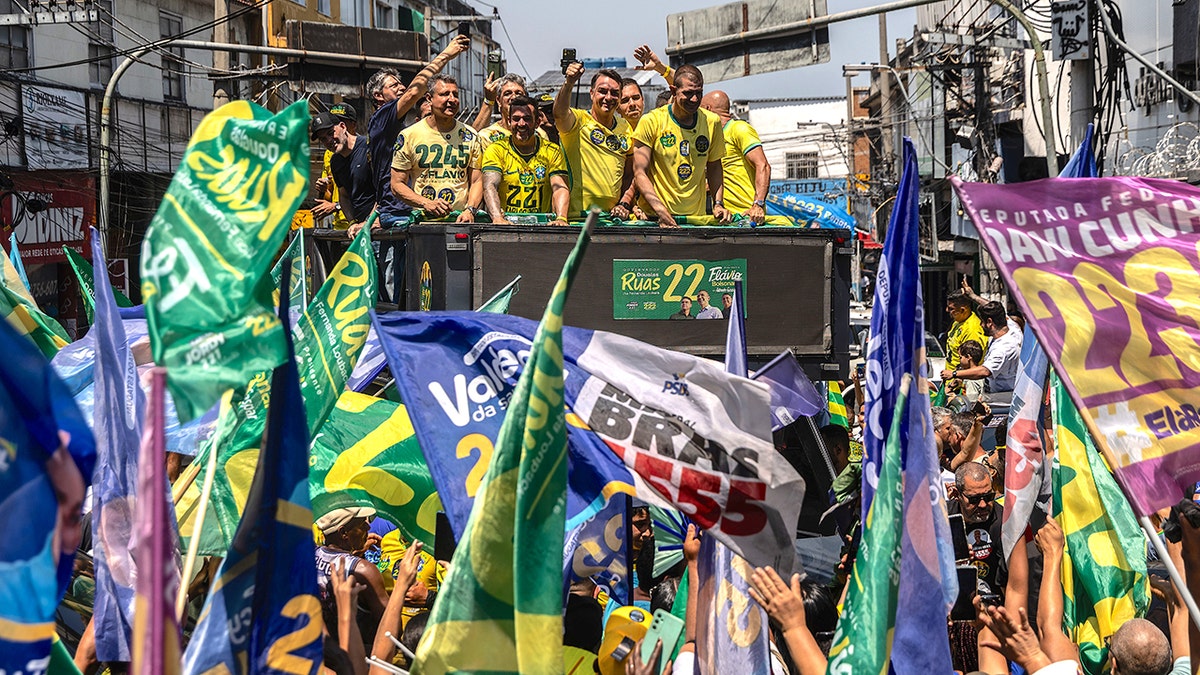
Flavio Bolsonaro, Brazilian presidential candidate, top center, during a campaign rally in Sao Joao de Meriti, Rio de Janeiro state, Brazil, on Saturday, Sept. 26, 2026. President Luiz Inacio Lula da Silva and Bolsonaro are deadlocked less than two weeks before Brazil’s election, a new poll showed, following fresh revelations about the challenger’s ties to a jailed banker at the center of a massive fraud scheme. (Dado Galdieri/Bloomberg via Getty Images)
In Sao Paulo state, the nation’s largest, Bolsonaro led Lula 52% to 38%.
In Minas Gerais, which is Brazil’s historic “bellwether state”, Bolsonaro led Lula 50% to 43%, while in his stronghold of Rio de Janeiro, he bested the incumbent president 53% to 39%.
Lula racked up large margins in his traditional strongholds in the Northeast, where he won vote-rich Bahia, Pernambuco, and Ceara by large margins, but it was not enough to surmount Bolsonaro’s unprecedented electoral strength in Brazil’s south.
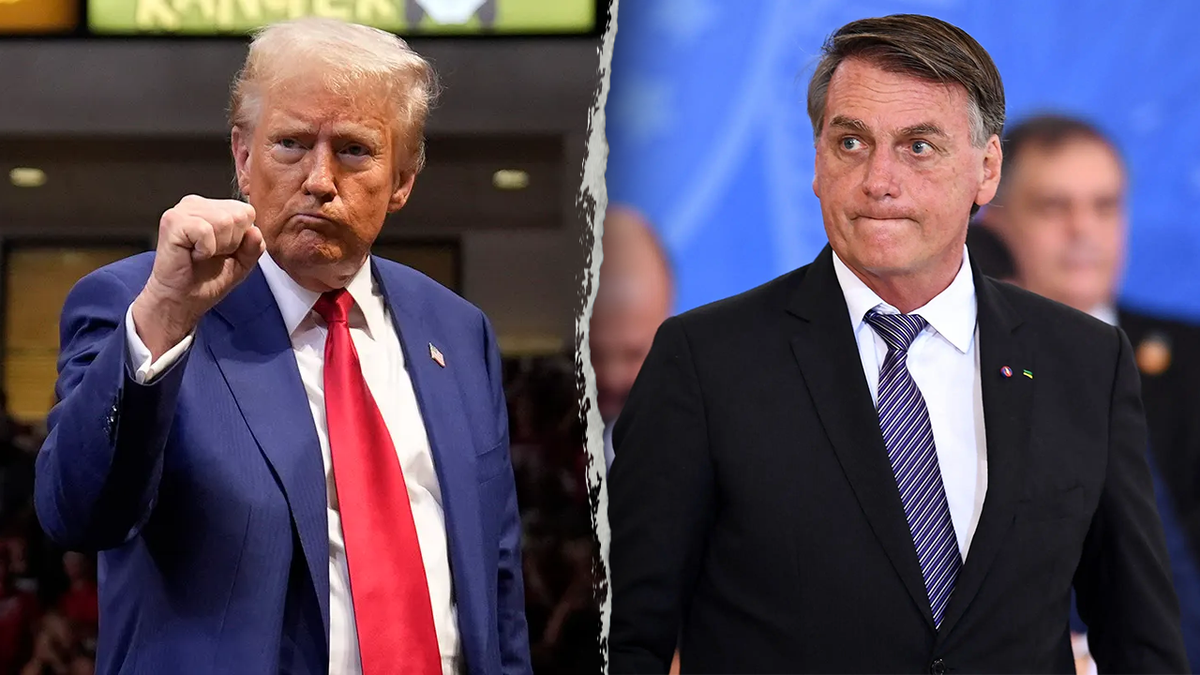
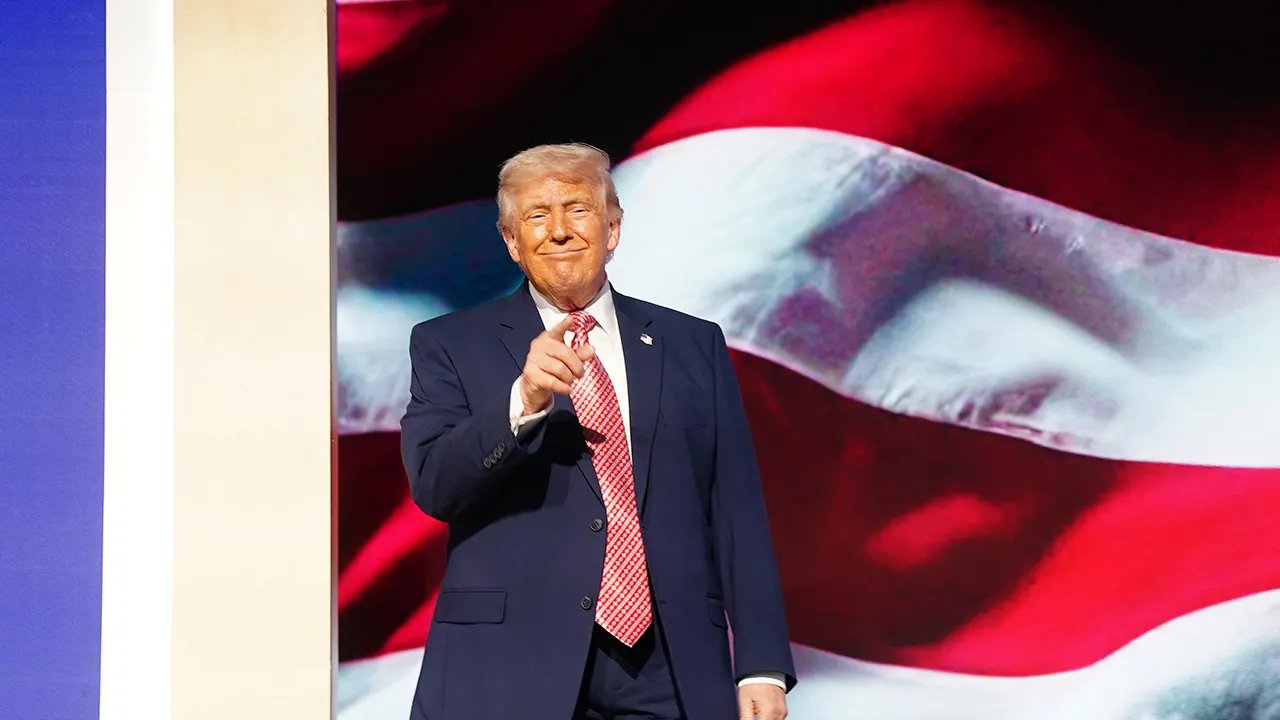
President Trump sent a letter to former Brazilian President Jair Bolsonaro calling for an immediate end to the ‘unjust’ trial against him for allegedly starting a coup. (AP Photo/Evan Vucci and Evaristo Sa/AFP via Getty Images)
Bolsonaro enjoyed a close relationship with Donald Trump through the course of the campaign, who made no secret of his intent to unceremoniously eject longtime geopolitical adversary Lula from office.
Tonight’s surprising result is merely the latest in a long string of right-wing victories across Latin America, which has recently ushered in a red wave of conservative candidates in Chile, Argentina, Peru, Ecuador, and Bolivia.
The election will undoubtedly prompt a period of soul-searching for the Brazilian left, which may be asking, “Should Lula have run at all?”
At 80 years old, with three presidential terms under his belt, and aspiring to a fourth, Lula was widely viewed as the only contender who could unite the contentious and often-fractured Brazilian left.
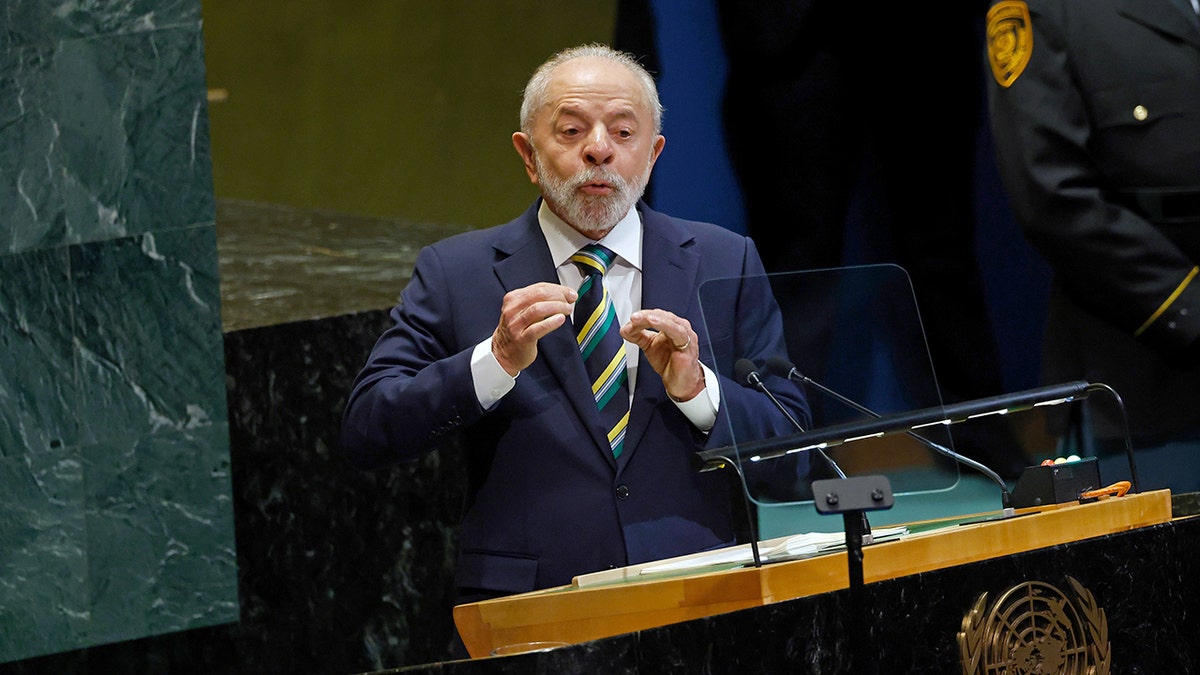
President of Brazil Luiz Inacio Lula da Silva speaks during the 80th session of the United Nations General Assembly (UNGA) at the United Nations headquarters on September 23, 2025 in New York City. World leaders convened for the 80th Session of UNGA, with this year’s theme for the annual global meeting being “Better together: 80 years and more for peace, development and human rights.” (Photo by Taylor Hill/Getty Images)
Lula’s political story marks one of the greatest comebacks in history. Once imprisoned on corruption charges, Lula was freed by the nation’s Supreme Court, and then defeated incumbent Jair Bolsonaro in a heated 2022 election by a razor-thin margin.
Famously, he pledged to serve only one term as president in 2022, and then reneged on that promise. Now, the move seems likely to backfire on him, in what will almost certainly be his last electoral campaign.
Flavio Bolsonaro will now face off against incumbent Lula in a second round election on October 25. Bolsonaro begins the race with several structural advantages.
In addition to vastly outperforming across the country, and proving the pollsters wrong, he is likely to win the vast majority of the votes of the major third-party candidates: Augusto Cury, Renan Santos, Ronaldo Caiado, and Romeu Zema.
Together, these four candidates received nearly 8% of the vote. What remains to be seen is whether any of these candidates will make an endorsement. It is suspected that Caiado and Zema will back Bolsonaro, while Cury and Santos will likely not make an endorsement.
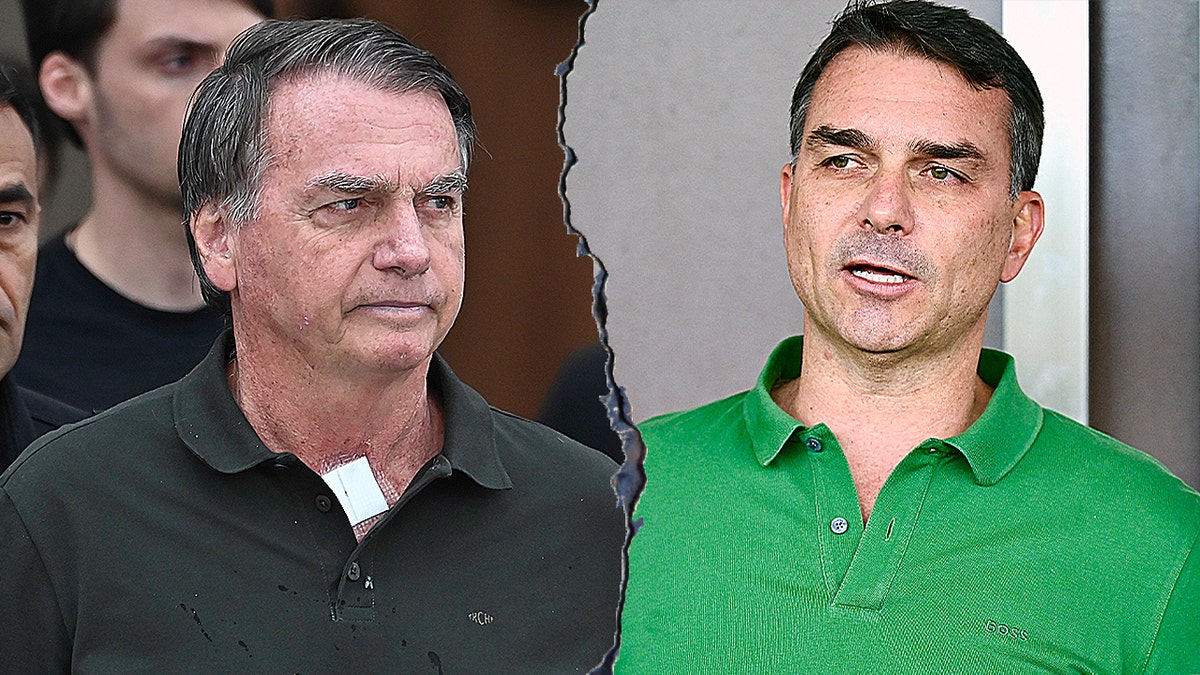
Former Brazilian President Jair Bolsonaro’s son announces biopic while brother Senator Flávio Bolsonaro enters 2026 presidential race from prison endorsement. (Ton Molina/Getty Images/ Evaristo Sa / AFP via Getty Images)
If elected, Flavio Bolsonaro is all but certain to free his father, and senior Brazilian military officers, who are currently jailed on charges of planning a coup to remain in power following the 2022 election.
CLICK HERE TO DOWNLOAD THE FOX NEWS APP
The election also saw other members of the Bolsonaro family ushered into higher office: Jair Bolsonaro’s wife, Michelly, was elected senator, as was his son Carlos, while another son, Renan, was elected federal deputy.
Bolsonaro’s Liberal Party also turned in strong results in races for both chambers of Brazil’s Congress, particularly in the Senate, where they are expected to hold 29 seats, compared to just 9 for Lula’s Workers Party.