It was another tough week to be Phoebe Gates.
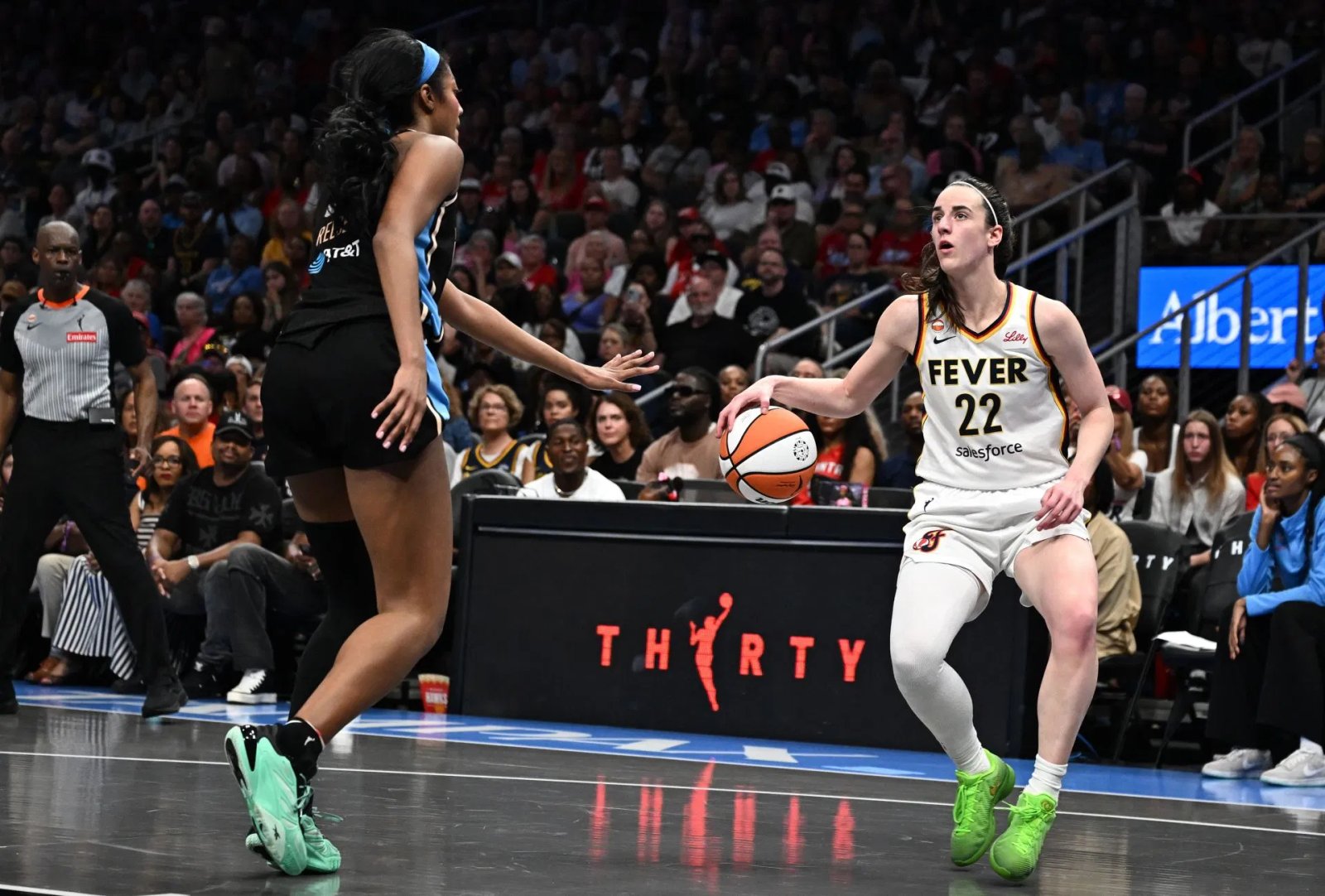
Bloomberg’s latest investigation found Gates and cofounder Sophia Kianni knew for seven months that their AI shopping extension, Phia, was quietly taking credit for sales it never drove—not just the 24 hours the company initially claimed. The trick, called “cookie stuffing,” had Phia silently hijacking checkout pages to swap in its own referral code over legit ones, until Bloomberg revealed the practice in tests of more than 50 sites.
Phia says it killed the feature, is reversing bad transactions, and is hiring a compliance chief. Whether that’s enough to keep the startup afloat, and what Gates’ path forward resembles, remains to be seen .
Here’s what else happened in tech this weekend.
Want to send thoughts or suggestions to Fortune Tech? Drop a line here.
Washington tells allies to pick a side in the AI race
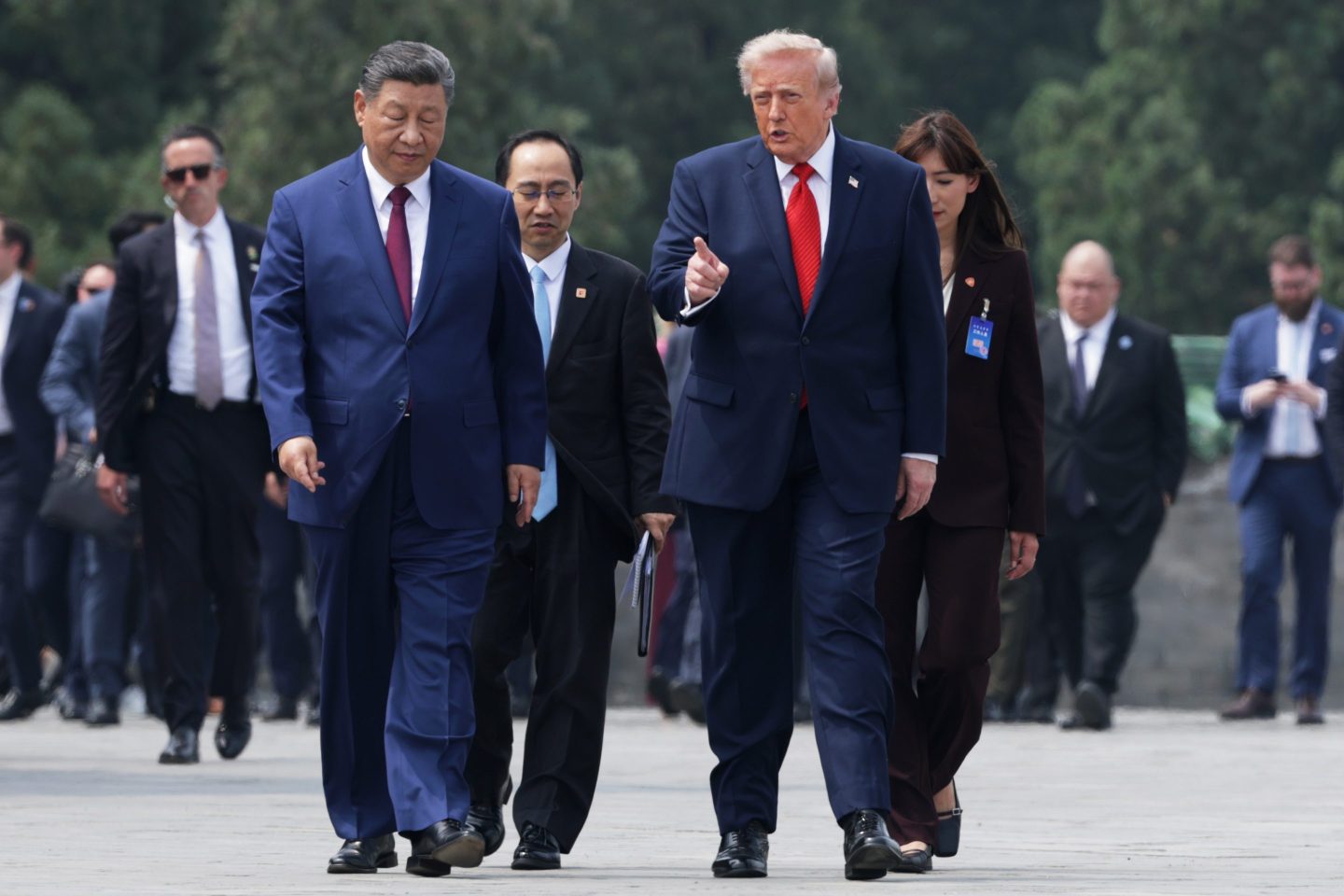
The U.S. State Department is reportedly preparing a letter telling the 35 signatories of its AI Opportunity Statement—including allies like Japan, Australia, and South Korea—that they can’t sign up for both Washington’s Pax Silica coalition and Beijing’s competing AI framework.
The draft, according to Reuters, warns that countries will be excluded from the U.S.-led group if they hedge. The U.S. reportedly is arguing “to be part of everything is to be part of nothing,” and the move is explicitly designed to starve China of the chips, AI models, and critical minerals it needs to compete. —Lily Mae Lazarus
Alibaba’s AI became the world’s most downloaded model
Alibaba’s open-weight Qwen models have racked up more than 3 billion downloads in six months, blowing past Meta’s 227 million and Google’s 418 million, according to a new Hugging Face state-of-open-models report. The milestone caps a run of more than 460 open-sourced Qwen models and 300,000-plus derivatives, cementing Alibaba as the dominant force in open-source AI.
The download numbers are a reminder that even as Washington restricts chip exports and debates AI export controls, Chinese open models are winning developer mindshare globally. —Lily Mae Lazarus
Dario Amodei says the AI trust problem isn’t him
Anthropic CEO Dario Amodei pushed back on the idea that he’s personally responsible for public doom around AI in a lengthy X post on Saturday. He framed the backlash as a broader “crisis of trust” in institutions and the tech industry.
Amodei argued that only real-world results—not marketing campaigns—will fix the trust issue, pointing to Anthropic’s push into biology and medicine as evidence the company is trying to “actually cure cancer” rather than just promise to.
It’s a notable shift in tone from the exec who once predicted AI could wipe out half of white-collar jobs, and it lands right as Anthropic and OpenAI both barrel toward IPOs where public sentiment—and regulatory goodwill—will matter as much as the technology itself. —Jason Ma
More tech
—Anthropic’s IPO valuation reportedly hinges on hitting a $190–200 billion 2028 revenue forecast, sources tell Reuters.
—Nvidia disclosed a nearly $21 billion stake in SpaceX and a $30 billion stake in Intel as of June 30.
—“Godfather of AI” Geoffrey Hinton warned that wealthy tech firms will use AI to replace workers, driving “massive unemployment” and soaring profits for the few.
—Amazon reinstated an arbitration clause in its user agreement to curb shopper class-action lawsuits, five years after removing it.
—Stripe has struck a deal to acquire AI model-routing startup OpenRouter for more than $7 billion, roughly five times its last private valuation.
—Anthropic detailed how Claude’s new invisible watermarks will tag AI-generated text across its products to comply with the EU AI Act.