
Cryptocurrency has long attracted younger investors with its promise of outsized returns outside of traditional finance. Yet despite well-documented warnings about its volatility, wealthy Gen Z and Millennials are embracing the asset class at rates far exceeding older generations.
Among affluent young investors—those with between $100,000 and $999,999 in assets—48% report holding cryptocurrency, according to a new report from the CFA Institute. That’s nearly double the share of Gen X and baby boomers in the same wealth bracket, only about a quarter of whom own crypto.
The pattern holds at higher wealth levels, too. Among Gen Z and Millennial millionaires, 50% hold crypto, compared with just 33% of their parents and grandparents.
And what’s driving it? Roughly 44% of Gen Z and 49% of Millennials say their decision to invest in crypto is influenced by fear of missing out—known as FOMO.
Big potential, big risk: Bitcoin’s value has halved in recent months
In recent months, the bet is not looking as enticing as it once was.
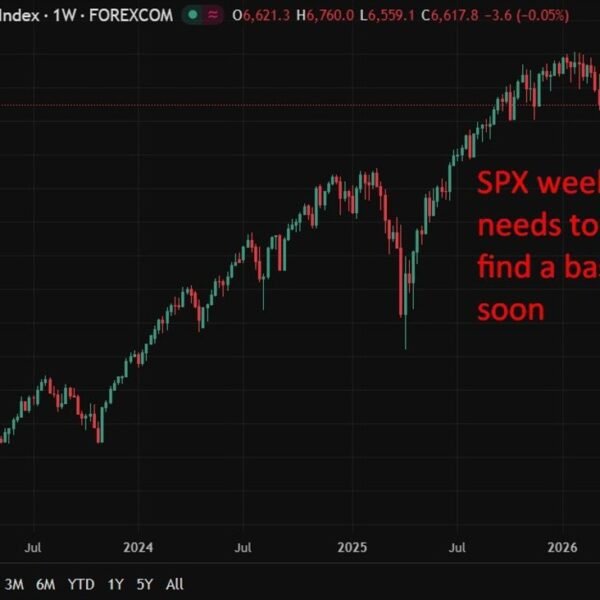
After hitting a record high of $124,000 in October, Bitcoin has fallen to roughly $66,000—a drop of about 47%—rattling portfolios and testing conviction among even its most enthusiastic backers.
That dynamic is unfolding at a pivotal moment. An estimated $61 trillion in wealth is expected to be passed down from older generations in the coming decades—roughly $46 trillion to Millennials and $15 trillion to Gen Z—giving younger investors an unprecedented level of financial influence at a time when concerns about their financial literacy are growing. But experts warn that making investment decisions based on peer trends could be a recipe for disaster.
“Younger investors’ susceptibility to FOMO is concerning because it can lead to reactive decisions that are influenced by hype without consideration of their long-term goals,” Genevieve Hayman, a senior researcher at the CFA Institute, told Fortune.
Young investors are leaning on social media for financial advice—and experts say it’s doing more harm than good
Social media has become a double-edged sword for young investors.
On one hand, it’s helping introduce people to markets earlier than ever. More than half of Gen Z began learning about investing before entering the workforce, compared to just 20% of Baby Boomers, according to a 2024 World Economic Forum survey. Nearly a third started investing in college or early adulthood—about twice the rate of millennials at the same age.
But the quality of social media information is far less consistent.
As a result, Gen Z still consistently lags older generations in financial literacy across all eight key personal finance areas measured by TIAA, with many young adults struggling to answer basic questions about saving, borrowing, and investing.
“Access to this information can be empowering, but it also exposes young investors to misinformation and investment recommendations from influencers that may not have appropriate disclosures,” Hayman said.
“This exposure also amplifies the anxiety of ‘missing out’ when peers appear to be cashing in on trending stocks or viral investment opportunities.”
Gen Z is showing financial warning signs—but leaders like Jamie Dimon and Kevin O’Leary say a lack of education is to blame
Warning signs have already emerged, indicating the struggles young people are having with managing their money. Gen Z’s average credit score slipped three points to 676—39 points lower than the national average of 715, according to a 2025 FICO report.
In the U.S., 30 states have a financial education graduation requirement, according to the National Endowment for Financial Education. But many business leaders, like JPMorgan Chase CEO Jamie Dimon, say that more needs to be done.
“We should teach financial education, like saving money,” Dimon said at The Atlantic Festival in 2024.
Shark Tank investor Kevin O’Leary has echoed that concern, arguing that many young people are entering adulthood without a clear understanding of how to manage money.
“I’ve spent most of my career in education and here’s the hard truth: We improved math. We improved reading. We failed at financial literacy,” O’Leary wrote on social media.
His advice is simple—and notably at odds with the high-risk, high-reward mindset that often defines volatile assets like crypto.
“Don’t spend it. Save it. Invest it. Let it compound. That’s the gift the market gives you,” he said, adding that consistently investing even a modest share over time can turn into a million-dollar portfolio by retirement.