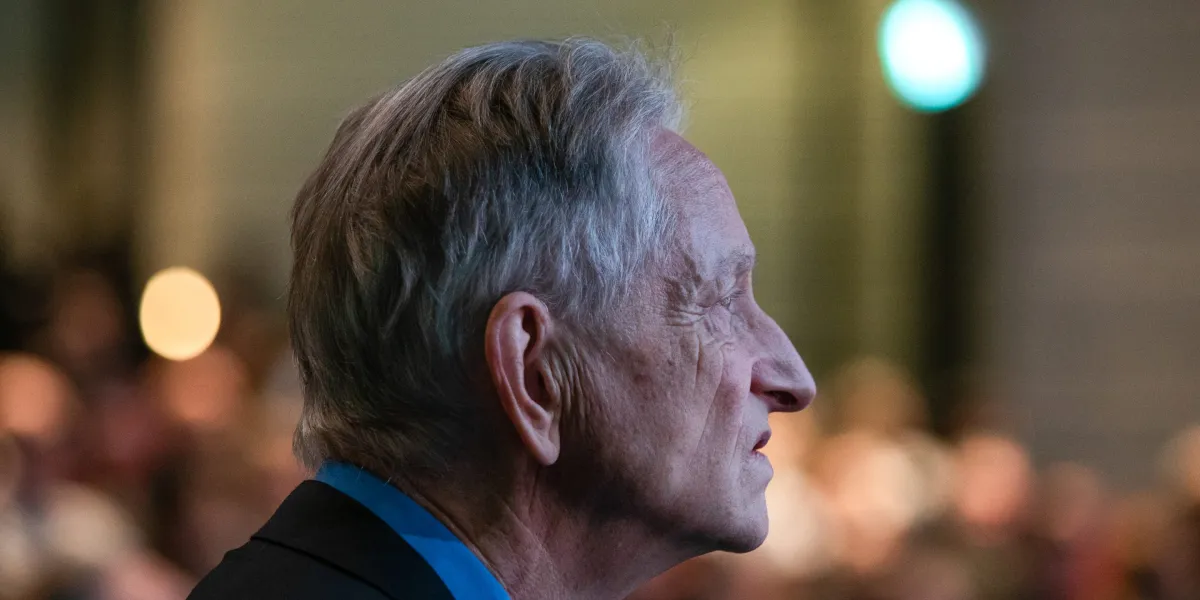
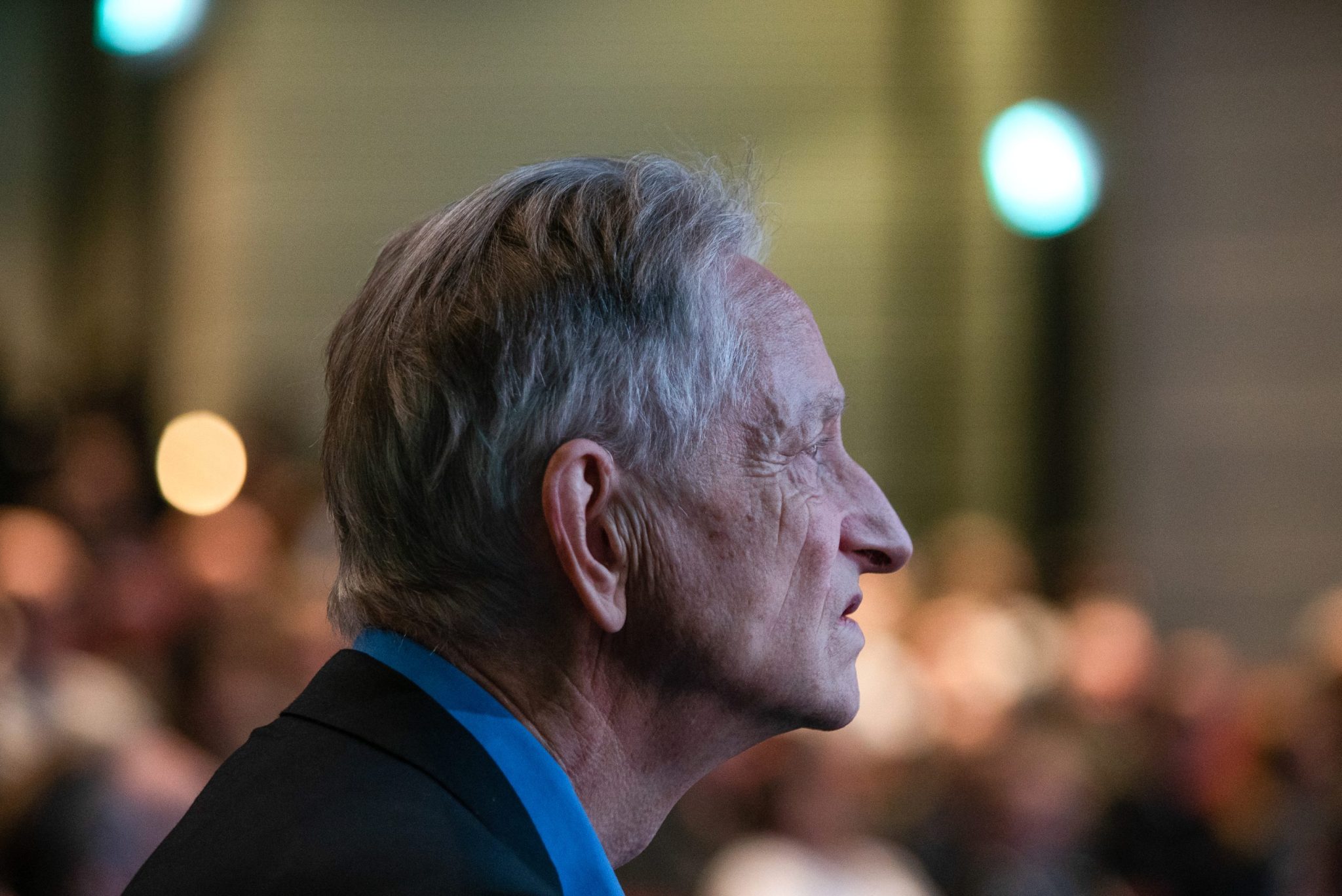
Computer scientist Geoffrey Hinton said artificial intelligence technology will continue improving next year, enough to wipe out more human workers.
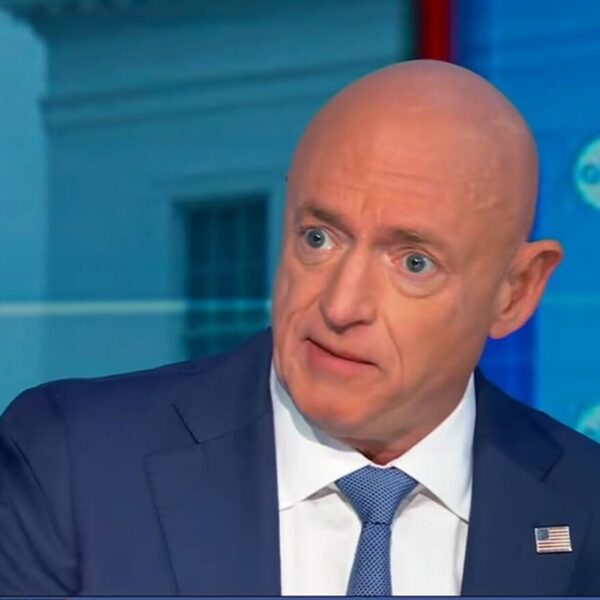
During an interview on CNN’s State of the Union on Sunday, he was asked for his 2026 predictions after declaring 2025 a pivotal year for AI.
“I think we’re going to see AI get even better,” Hinton replied. “It’s already extremely good. We’re going to see it having the capabilities to replace many, many jobs. It’s already able to replace jobs in call centers, but it’s going to be able to replace many other jobs.”
He added that AI’s progression is such that after every seven months or so, it is able to complete tasks that took twice as long as before.
That means that on a coding project, for example, AI can do in minutes what used to take an hour. And in a few years, AI will be able to perform software engineering tasks that now need a month’s worth of labor.
“And then there’ll be very few people need for software engineering projects,” predicted Hinton, whose work has earned him a Nobel Prize and the moniker “godfather of AI.”
Earlier in the interview, he was asked if he was more or less worried about AI since he left Google in 2023 and started warning about the technology’s dangers.
“I’m probably more worried,” he answered. “It’s progressed even faster than I thought. In particular, it’s got better at doing things like reasoning and also at things like deceiving people.”
If an AI believes someone is trying to prevent it from achieving its goals, it will try to deceive people in order to remain in existence and complete its tasks, he explained.
To be sure, AI can also benefit humanity by helping researchers make breakthroughs in medicine, education and climate-related innovations. But Hinton said he’s not sure if the risks from AI outweigh the positives.
“But along with those wonderful things comes some scary things, and I don’t think people are putting enough work into how we can mitigate those scary things,” he warned.
Some AI companies are doing more than others in trying to ensure safety, but Hinton said there’s also a profit motive and tradeoffs that executives are weighing.
“They may think there’s a lot of good to be done here, and just for a few lives we’re not going to not do that good,” he said. “For driverless cars, they will kill people, but they’ll kill far fewer people than ordinary drivers.”
Hinton has been consistently sounding the alarm on AI, and in recent months has flagged its potential to put humans out of work.
In October, he said the obvious way to make money off AI investments, aside from charging fees to use chatbots, is to replace workers with something cheaper.
“I think the big companies are betting on it causing massive job replacement by AI, because that’s where the big money is going to be,” he told Bloomberg TV’s Wall Street Week.
While some studies show AI is improving the productivity of existing workers rather than leading to mass layoffs, evidence is mounting that AI is shrinking opportunities, especially at the entry level.
A recent analysis of job openings since OpenAI launched ChatGPT shows they plummeted roughly 30%. Companies like Amazon have announced layoffs while also acknowledging efficiency gains from using AI.
And in September, Hinton said AI will create massive unemployment and a huge rise in profits, attributing it to the capitalist system.
“It will make a few people much richer and most people poorer,” he told the Financial Times