Good morning. Energy leaders from around the world are in Houston right now for the annual CERAWeek gathering, organized by S&P Global. A major theme, of course, is the effective closure of the Strait of Hormuz, which has cut off 20% of the world’s crude oil and liquefied natural gas, creating the greatest global energy supply shock ever.
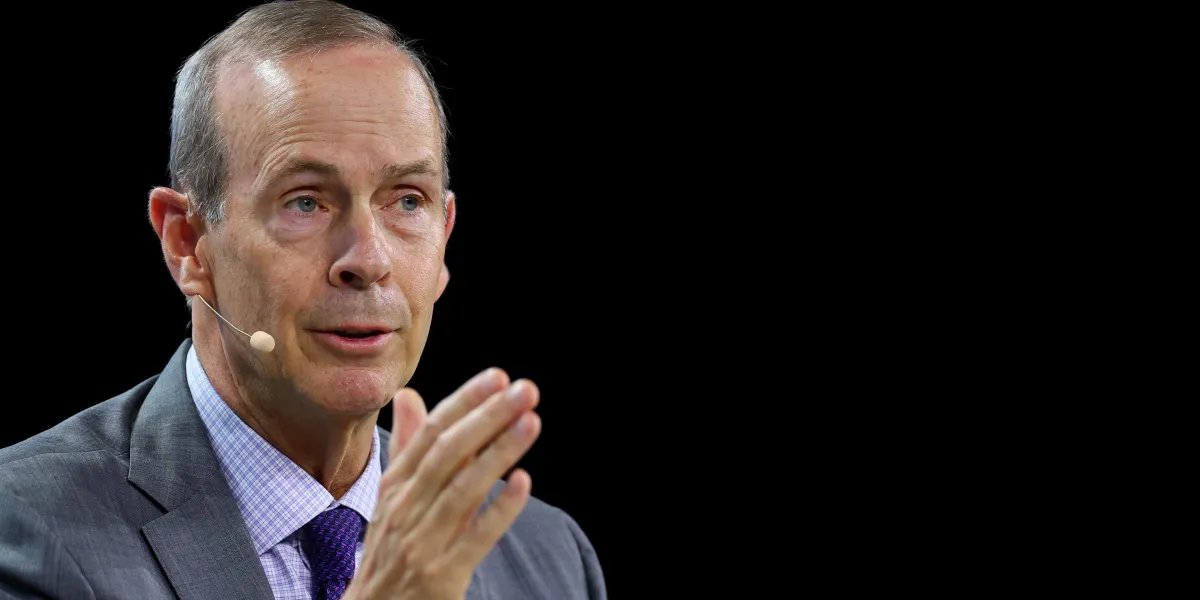
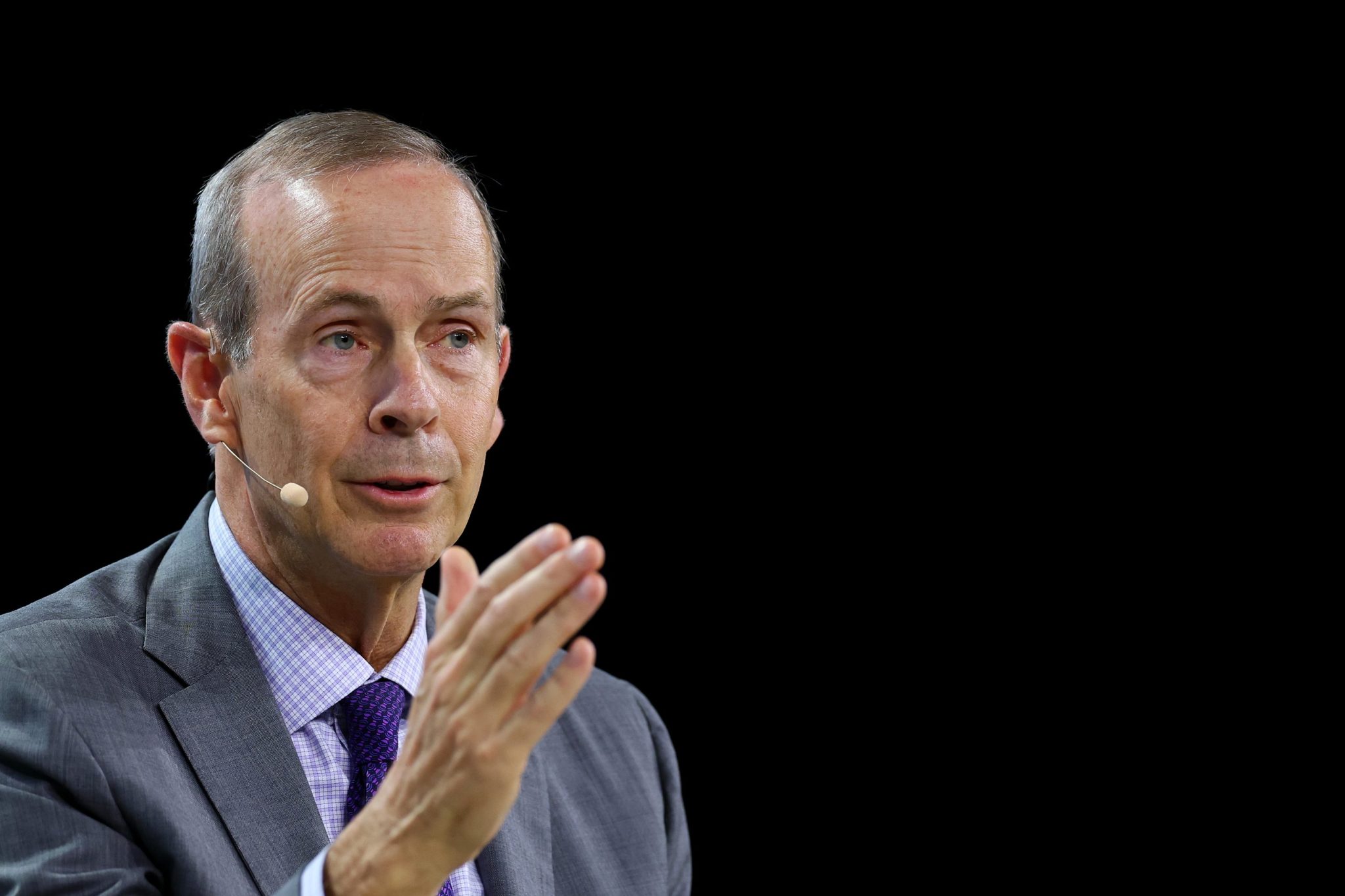
As Fortune’s Energy Editor Jordan Blum reports from Houston, Chevron CEO Mike Wirth believes oil prices may be too low. As Wirth told attendees: “There are very real physical manifestations of the closure of the Strait of Hormuz that are working their way around the world through the system that I don’t think are fully priced in.”
Indeed, hard-hit Asian countries are trying to stockpile and conserve energy through work-from-home efforts, school closures, and more. The war is also crippling supplies of helium and fertilizer, hurting chipmakers and farmers alike. (Stocks and even Bitcoin rallied Monday on news of possible peace talks.)
A number of Middle Eastern leaders are not in Houston this week because of the conflict: Saudi Aramco CEO Amin Nasser withdrew while others are participating virtually. Sheikh Nawaf Al-Sabah, CEO of state-owned Kuwait Petroleum Corporation (KPC), is scheduled to participate virtually today. Ahmed Al Jaber, UAE’s minister of energy and advanced technology and head of Abu Dhabi National Oil Co (Adnoc), gave a virtual address yesterday in which he said “weaponizing the Strait of Hormuz is not an act of aggression against one nation. It’s economic terrorism against every nation.”
While U.S. CEOs may not face as direct a hit in terms of energy supplies, they have other consequences to contend with. I spoke about that with CEOs at our New York dinner last week, as well as some executives en route to CERAWeek. Some quietly echoed the sentiment of political leaders who say stopping Iran is necessary for regional prosperity; others conveyed anger at the costs being inflicted on their companies by a war they didn’t start. All are managing the consequences, recognizing the fallout could continue long after any peace deal is reached. As one person put it: “This war has caused lasting damage to friends and foes alike.”
Be sure to follow Jordan’s coverage of the news coming out of CERAWeek and the Middle East.
Contact CEO Daily via Diane Brady at diane.brady@fortune.com
Top leadership news
The upside of Zuckerberg’s AI agent
Mark Zuckerberg is developing an AI agent to work alongside him and advise him as CEO. While some CEOs are only casual users of AI, Zuckerberg is leading by example as he urges his employees to adopt the technology.
Rival prediction market CEOs back the same VC firm
The CEOs of prediction market companies Kalshi and Polymarket have both backed a new venture capital firm focused on investing in prediction market startups, according to a pitch document seen by Fortune. 5c(c) Capital, the firm, was founded by two former Kalshi employees and is also backed by the likes of Marc Andreessen.
Starbucks CEO says company was being run like a “manufacturing facility”
Starbucks CEO Brian Niccol recently said on Semafor’s “The CEO Signal” podcast that the company was being run like a “manufacturing facility” with too much focus on efficiency when he took over 18 months ago. In his first days, Niccol enacted a “Back to Starbucks” plan to reintroduce atmosphere and customer service to the company’s coffee shops.
The markets
S&P 500 futures are down 0.18% this morning. The last session closed up 1.15%. The STOXX Europe 600 was down 0.22% in early trading. The U.K.’s FTSE 100 was flat in early trading. Japan’s Nikkei 225 was up 1.43%. China’s CSI 300 was up 1.28%. Hong Kong’s Hang Seng was up 2.79%. South Korea’s KOSPI was up 2.74%. India’s NIFTY 50 was up 1.98%. Bitcoin was up to $71K.
Around the watercooler
Billionaire Reddit CEO Steve Huffman says his company will ‘go heavy’ on hiring graduates because ‘they’re so much more AI native’ than older peers by Emma Burleigh
Putin is the real winner in Trump’s Iran war as it puts Russian oil back on the map by Marco Quiroz-Gutierrez
The great toilet paper panic is back as Japan starts stockpiling by Eva Roytburg
‘AI killed the cover letter.’ This Wharton economist says the hiring ritual’s days are numbered by Catherina Gioino
Larry Fink says today’s economic anxiety stems from people increasingly feeling like capitalism isn’t working for them by Eleanor Pringle
CEO Daily is curated and edited by Joey Abrams, Claire Zillman and Lee Clifford.