IEA warns crisis worse than 1970s shocks as Hormuz disruption drives global energy strain.
Summary:
- IEA warns Middle East crisis is “severe” and escalating
- Birol says situation worse than both 1970s oil crises combined
- Reopening Strait of Hormuz seen as the single biggest solution
- IEA consulting governments on potential further strategic oil releases
- No fixed oil price trigger for additional stock releases
- Fuel shortages emerging as a growing issue across Asia
- Australia flagged as actively boosting fuel stockpiles
- Signals risk of prolonged global energy disruption
The International Energy Agency (IEA) has issued a stark warning on the global energy outlook, describing the current Middle East crisis as more severe than the oil shocks of the 1970s and signalling that further coordinated intervention may be required.
IEA Executive Director Fatih Birol said the situation has reached a critical point, with disruptions to supply chains and shipping routes creating mounting pressure across global energy markets. He emphasised that the most effective solution would be the reopening of the Strait of Hormuz, a vital chokepoint through which a significant portion of the world’s oil supply normally flows.
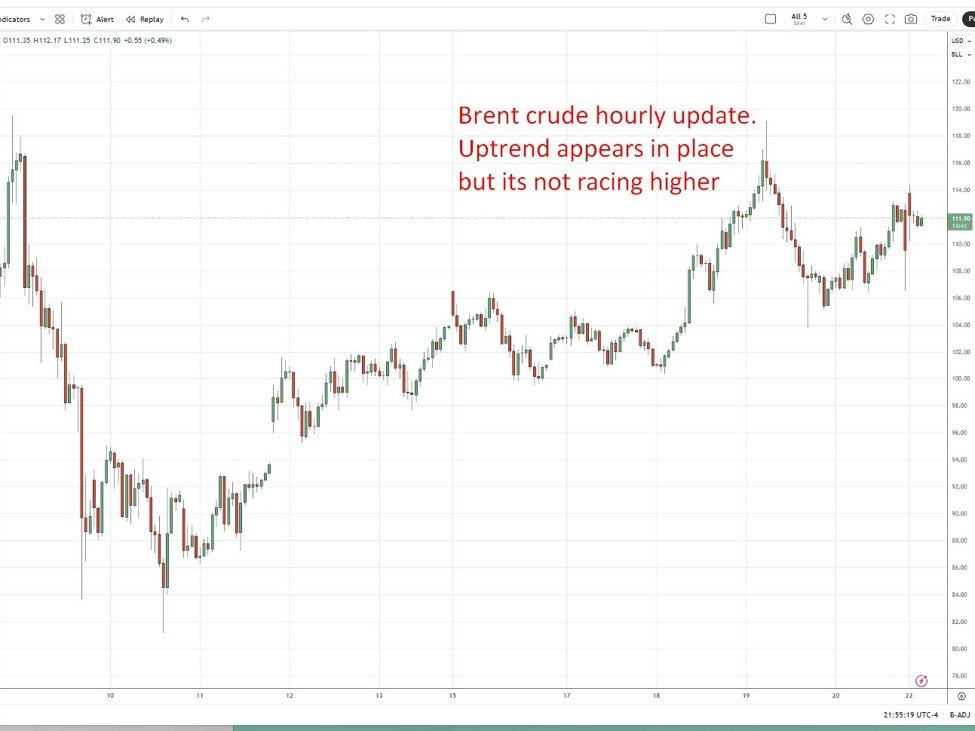
The warning comes as markets continue to grapple with the fallout from escalating conflict in the region, which has effectively constrained flows through Hormuz and triggered sharp increases in oil prices. Analysts say the scale of disruption is already comparable to major historical energy shocks, with knock-on effects being felt across fuel supply chains, particularly in Asia.
Birol noted that the IEA is actively consulting with governments around the world to assess whether additional releases from strategic petroleum reserves may be necessary. While the agency has previously coordinated stock releases to stabilise markets, he stressed that there is no predefined oil price level that would automatically trigger further action, underscoring the complexity of the current الأزمة.
The impact is becoming increasingly visible at the consumer level, with fuel shortages emerging in parts of Asia as supply constraints intensify. Countries heavily reliant on imported energy are facing rising costs and logistical challenges, prompting governments to consider emergency measures to secure supply.
Australia was highlighted as one country actively working to increase fuel stock levels, reflecting broader efforts among energy-importing nations to build buffers against further disruptions. Birol did add that he isn’t worried about Oz fuel stocks yet.
The developments point to a deepening global energy crisis, with policymakers facing difficult choices between managing inflationary pressures, ensuring energy security, and stabilising financial markets. Analysts say the combination of supply constraints, geopolitical risk, and policy uncertainty is likely to keep energy markets volatile in the near term, with potential spillovers across inflation, growth, and central bank policy expectations.
Quick explainer: What is the IEA?
The International Energy Agency (IEA) is a Paris-based intergovernmental organisation that coordinates energy policy among major economies, particularly in response to supply disruptions. Originally established after the 1970s oil shocks, the IEA plays a key role in monitoring global energy markets and organising coordinated releases of strategic oil reserves among member countries to stabilise supply and prices during crises.