Pini Althaus saw the signs. In 2023, he left the company he founded, USA Rare Earth, to develop critical minerals mining and processing projects in central Asia, after realizing that the U.S. will need all the international help it can get to end China’s supply chain dominance.
“I realized we only have a handful of large critical minerals projects that were going into production between now and 2030,” Althaus, chairman and CEO of Cove Capital, told Fortune. “I understood that we’re going to have to supplement the United States critical minerals supply chain with materials coming in from our allied and friendly countries.”
Over a series of decades, China built up its stranglehold on much of the world’s critical minerals supply chains, including the 17 rare earths, used to make virtually all kinds of high-performance magnets and parts for vehicles, computers, power generation, military defense, and more. The rest of the world deferred to Beijing in exchange for cheap prices.
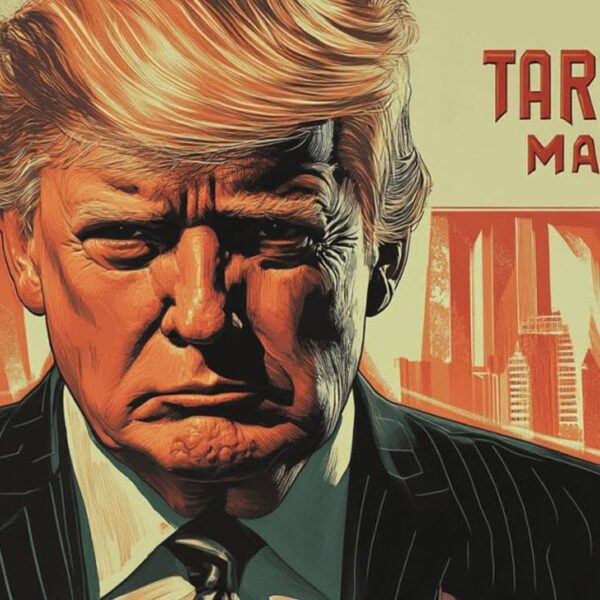
Amid an ongoing tariff war with the U.S.—and a temporary truce—the Trump administration is racing to build up domestic mining and processing capabilities, while also developing the global partnerships necessary to eventually undermine China, which controls 90% of the world’s rare earths refining.
In October, Trump inked a deal with Australia for both countries to invest $3 billion in critical minerals projects by mid-2026. Australia is home to the largest publicly traded critical minerals miner in the world, Lynas Rare Earths. Trump then signed a series of bilateral critical minerals deals in eastern and southeastern Asia, including Japan, Malaysia, Thailand, Indonesia, and Cambodia. The U.S. also has new deals with Ukraine, Argentina, the Democratic Republic of Congo, Rwanda, Kazakhstan, and more.
Althaus is specifically developing mining and processing facilities for tungsten—a heat-resistant metal used in electronics and military equipment—and rare earths in Kazakhstan and Uzbekistan. He sees the most potential in former Soviet Union nations in central Asia.
“The Soviets spent many decades exploring and developing mines. Many of their databases have been left and are quite meticulous,” Althaus said. “This gives companies looking to develop projects in central Asia a jumpstart compared to what would be here in the United States, where most of the opportunities are greenfield—very early stages, very high risk, and very little appetite for investment.”
In November, the Ex-Im Bank offered Cove Capital a $900 million financing letter of interest for the $1.1 billion Kazakh tungsten projects. A separate letter of interest was received from the U.S. International Development Finance Corporation.
Jeff Dickerson, principal advisor for Rystad Energy research firm, said only a long-term, coordinated effort—essentially a “wartime” approach—both domestically and with international partnerships can lead to success. But it cannot be done without new projects with foreign allies. “The challenge is that the U.S. doesn’t have a strong pipeline of mature mineral projects that are shovel ready,” he said.
“The cycle of China extracting concessions on the back of mineral geopolitics and weakening the U.S. strategic negotiating position will likely continue without a coordinated, long-term response during the current moment of heightened attention to critical minerals,” Dickerson said, questioning whether the U.S. will maintain a concerted focus for years to come.
New emphasis
The Trump administration is increasingly making financial partnerships with critical minerals developers—even becoming a majority shareholder of U.S. rare earths miner MP Materials—and offering deals for floor-pricing mechanisms to offset China’s recurring dumping practices that aim to eliminate competition.
A native Australian turned New Yorker, Althaus is, naturally, a big fan of this approach. Chinese price dumping has crippled global competition and scared away potential investors, he said.
“By providing a price floor, it removes the question marks; it removes the instability; it removes the most significant risk in funding a project that’s about to go into production,” Althaus said. “It creates a predictability where you can take geology all the way through to profitability. I think there should be a global effort to create transparent markets and prices for the key critical minerals.”
Critical minerals are increasingly included in U.S. negotiations for all foreign deals. In the tariff agreement with Indonesia, for instance, the Asian nation agreed to lift export bans on nickel. The White House leveraged its military support for Ukraine by demanding the rights to its critical minerals in return. And the recent U.S. bailout of Argentina included a partnership on critical minerals mining.
In addition to its strategic defense location, rare earths are even a reason Trump continues to show interest in annexing Greenland from Denmark.
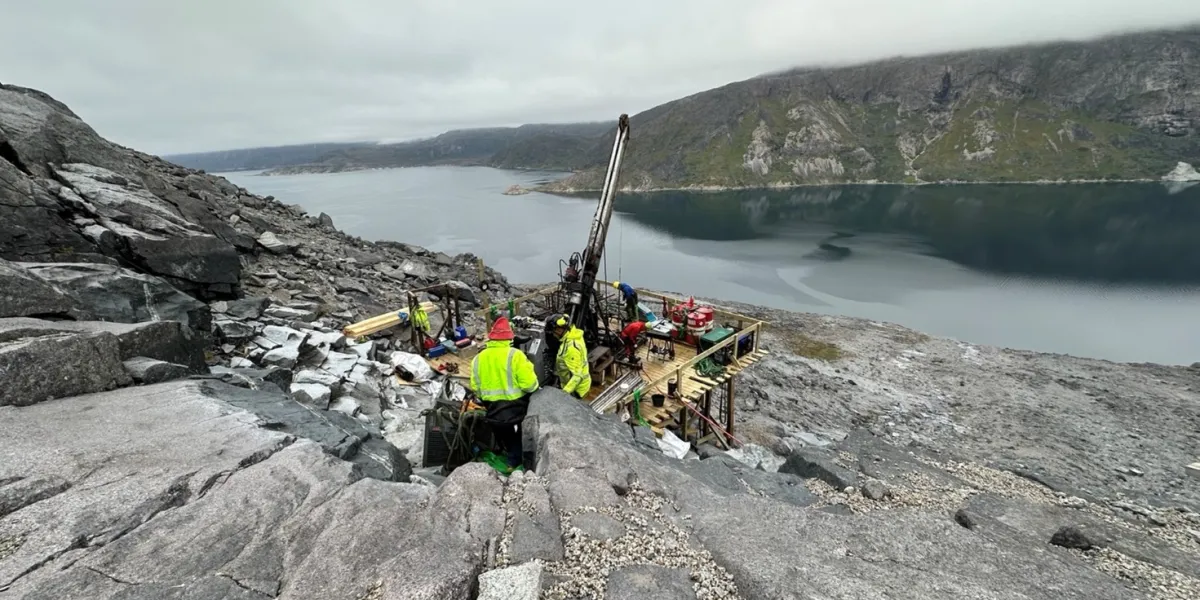
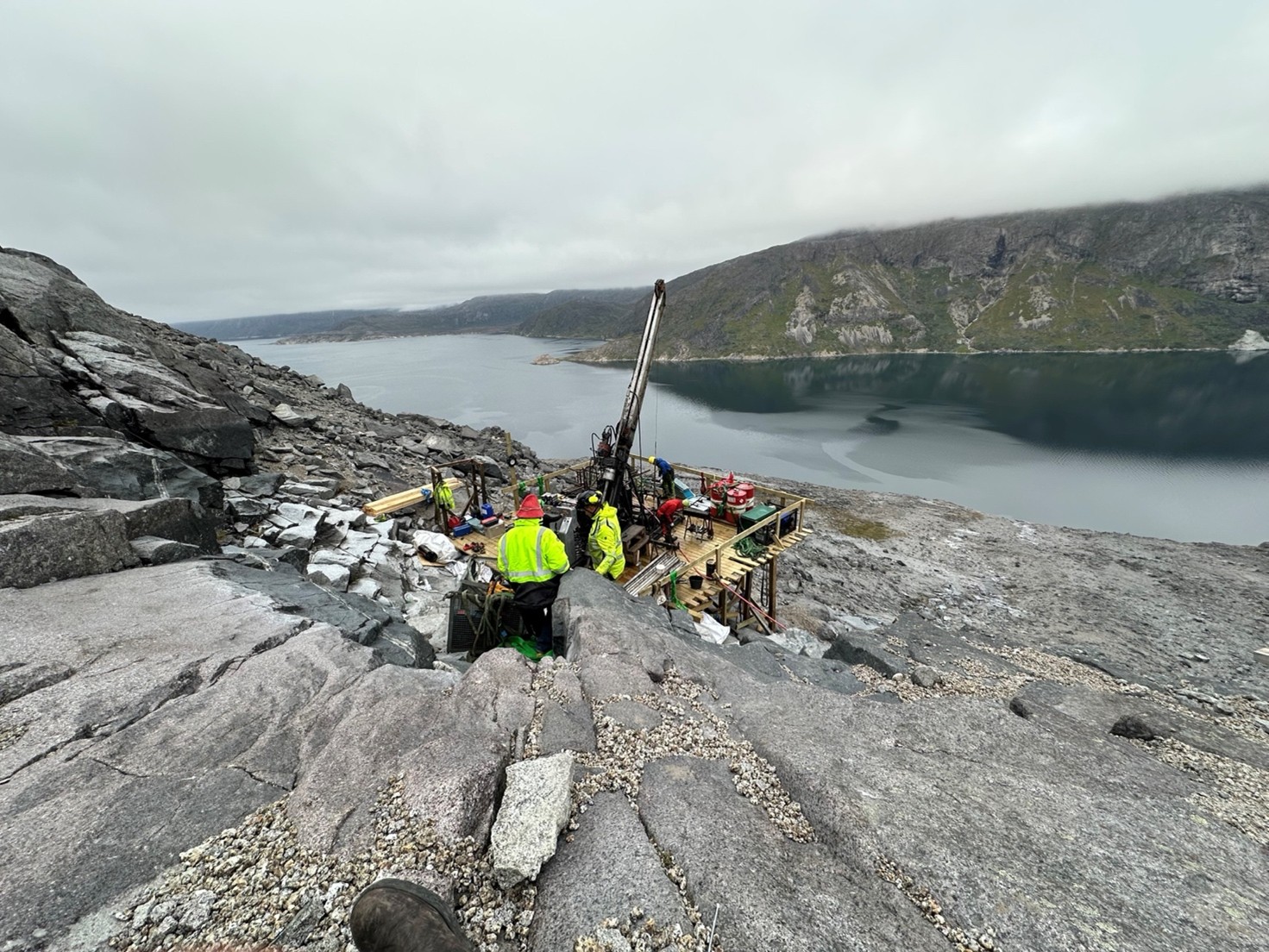
Veteran geologist Greg Barnes, who founded the massive Tanbreez mining project, which remains in development, briefed Trump at the White House during his first presidential term. This year, Critical Metals acquired 92.5% ownership of the Tanbreez project.
Critical Metals CEO Tony Sage is keen to supply the U.S. with desired rare earths, and the company recently received a letter of intent for a $120 million Ex-Im Bank loan. The goal is to start construction by the end of 2026.
“There’s an absolute need to make sure that more than 50% of the supply of these heavy rare earths come from outside of China—mined and processed outside of China,” Sage told Fortune.
Regardless of any long-shot annexation bids, Sage said Greenland can and should be a key ally to the U.S. for critical minerals. “They definitely don’t want to be part of the U.S., but I think they’ll be pro-U.S.,” he said.
For his part, Althaus said he sees all the international deals as progress, and not as competition for his Cove Capital.
“I think it’s a positive, and I think we’ll start to see a lot more happen in the coming months in terms of the U.S. and collaboration with other countries.”