The currency markets finished the week on a mixed note. While the US Dollar found support against risk-sensitive currencies like the Australian and New Zealand Dollars—mirroring the sell-off in the Nasdaq—it struggled to gain ground against the Euro and Canadian Dollar. The greenback’s performance reflects a market caught between “safe-haven” flows and specific regional strength.
Closing Levels
-
EUR/USD: 1.1740 (+0.02%) – The Euro managed a marginal gain against the dollar.
-
USD/JPY: 155.82 (+0.16%) – The pair pushed higher, with the dollar showing strength against the Yen.
-
GBP/USD: 1.3363 (-0.17%) – The Pound was one of the day’s underperformers, sliding back below the 1.34 handle.
-
USD/CHF: 0.7958 (+0.09%) – The dollar gained slightly against the Swiss Franc.
-
USD/CAD: 1.3767 (-0.01%) – The Loonie held its ground, outperforming most peers likely due to robust Canadian economic data released earlier in the day.
-
AUD/USD: 0.6649 (-0.20%) – The Aussie was hit by the broader “risk-off” sentiment.
-
NZD/USD: 0.5802 (-0.10%) – The Kiwi followed the Aussie lower.
Key Market Drivers in the forex today.
1. Canadian Dollar Resilience (USD/CAD)
The Canadian Dollar was a standout performer relative to other commodity currencies. While oil prices struggled, the Loonie was supported by a slew of strong domestic data.
-
Building Permits: Surged +14.9% in October, smashing expectations.
-
Capacity Utilization: Rose to 78.5% in Q3, signaling a tightening industrial sector.
-
Wholesale Trade: Posted a +0.1% gain versus a forecasted decline.
2. Risk-Off Flows Hit Antipodeans (AUD & NZD)
The Australian and New Zealand Dollars were the weakest majors on the day, down 0.20% and 0.10% respectively. These “high-beta” currencies often act as a liquid proxy for global risk sentiment. With the Nasdaq tumbling -1.69% and the S&P 500 down -1.07%, investors rotated out of these growth-linked currencies.
3. Dollar/Yen (USD/JPY) Firmness
Despite the drop in US equity markets (which typically strengthens the Yen), USD/JPY rose 0.16% to 155.82. The pair remains sensitive to the divergence between the Federal Reserve’s recent cut and the Bank of Japan’s slow-moving policy normalization.
US Bond Yields : Rising Across the Curve
Treasury yields are moving higher today, retracing the declines seen earlier in the week. The selling pressure has pushed yields up across the board, with the long end of the curve leading the move. Notably, the 30-year yield has climbed to its highest level since early September, driven by the market digesting a massive influx of supply—over $602 billion in Treasuries were sold this week—and reassessing the Federal Reserve’s policy outlook following Wednesday’s cut.
Current Yield Levels:
-
2-Year Yield: 3.545% (up +1.5 basis points)
-
5-Year Yield: 3.743% (up +2.8 basis points)
-
10-Year Yield: 4.178% (up +3.7 basis points)
-
30-Year Yield: 4.831% (up +4.2 basis points).
For the weeK, despite the Fed cut, the 2 year was the only one to see lower yields this week. :
-
2-Year Yield: -4.0 basis points
-
5-Year Yield: +2.7 basis points
-
10-Year Yield: +4.7 basis points
-
30-Year Yield: 5.6 basis points
Fed officials were open to speak after the black-out period expired. Speaking were Fed’s Hammack (non-voting member but hawk), Chicago Fed Pres. Goolsbee who dissented to no change, and Cleveland Pres. Schmid who also dissented to no change. Below is a summary of their comments:
Cleveland Fed President Beth Hammack
President Hammack, who will become a voting member in 2026, aligned herself with the hawkish dissenters despite not casting a vote at this meeting. She emphasized the difficulty of the current economic moment, noting that while the labor market has been “gradually cooling,” inflation remains stubbornly above the Fed’s target. Her comments suggest she would have preferred to keep rates unchanged to ensure price stability is fully restored.
-
Balancing Act: Stated that balancing both sides of the Fed’s mandate (maximum employment and price stability) is currently “challenging.”
-
Inflation Focus: Highlighted that inflation remains above target, justifying her alignment with the “no change” camp.
-
Future Voter: Positioned herself as a hawkish voice heading into her voting rotation next year.
Kansas City Fed President Jeffrey Schmid
President Schmid was one of the two officials who dissented in favor of keeping rates unchanged. He argued that the economy still has significant momentum and that the labor market appears to be in balance rather than deteriorating. His primary concern is that inflation is “too hot” and that current monetary policy may be only “modestly restrictive,” if at all, which risks undermining the Fed’s hard-won credibility on inflation.
-
Policy Effectiveness: Questioned whether current rates are actually restrictive enough to bring inflation down effectively.
-
Inflation Warning: Stated explicitly that “inflation is too hot” and warned policymakers not to become complacent about maintaining credibility.
-
Economic Resilience: Observed that the economy is showing momentum and the job market seems largely in balance, countering the need for immediate cuts.
Chicago Fed President Austan Goolsbee
President Goolsbee, typically known for more dovish views, dissented in favor of a “pause” to wait for more data. He expressed discomfort with “front-loading” rate cuts when inflation has stalled above target for years. Goolsbee argued that waiting until the first quarter of the year would have provided the necessary assurance that inflation was truly on a downward path without risking significant harm to a labor market he describes as stable.
-
Patience on Cuts: Argued that waiting until Q1 would allow the Fed to be “assured inflation is coming down” rather than assuming current pressures are transitory.
-
Labor Market Stability: Noted that the “low hiring and low firing” dynamic does not suggest a cyclical downturn, meaning there was no urgent need to cut to save jobs.
-
Inflation Persistence: Highlighted concerning services inflation and emphasized that one cannot ignore that prices have been rising for four years.
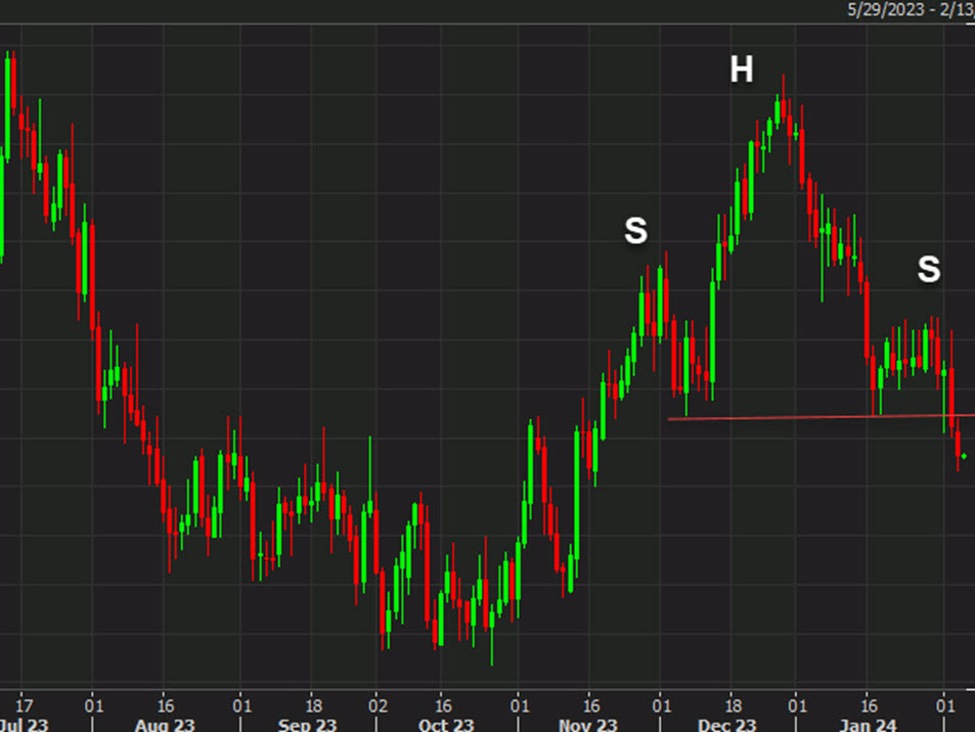
For technical views on the major currency pairs going into the new week:
Wrap the week up and put a bow on it.
Thank you for your support this week.