- Senior BOJ official: Delay in adjusting rates could lead to economic downturn in future
- US slaps a 25% tariff on some Brazil goods, exempts beef and coffee
- Asian chip stocks slammed as Nikkei, Kospi both slide sharply
- Japan finance minister repeats FX warning as yen hovers around 162
- South Korean regulator to unveil single-stock leveraged ETF curbs as sidecars hit Kospi, Kosdaq
- BOK delivers unanimous 25bp hike to 2.75%, flags persistent inflation
- US completes new wave of strikes on Iran, hits Bandar Abbas
- PBOC sets USD/ CNY reference rate for today at 6.7909 (vs. estimate at 6.7577)
- Australian Consumer Inflation Expectations fall to 4.7% in July 2026 (prior 5.5%)
- Japan’s Nikkei down 3% and South Korea’s Kospi down 6%
- ICYMI – Saudi Arabia, UAE ask Japan to help fund Hormuz bypass pipelines
- Weak yen, a 40 year low, a bigger worry than BOJ hikes for many Japanese firms
- Kuwait and Bahrain hit as Iran fires back at fresh US strikes
- Trump says appreciates “gesture of Goodwill by Iran”
- St. Louis Fed research floats new way to measure underlying inflation
- Former Fed official sentenced to 38 months in prison, lied about information sharing with China
- ICYMI – SpaceX shares dip below IPO price for first time before paring losses
- UBS forecasts S&P 500 to reach 8,200 by June 2027 on strong earnings
- Recap – Oil edges higher as US-Iran tensions escalate, tanker disabled in Gulf
- Stocks end an up and down day with a move higher
A fragile signal of diplomacy collides with a chip-driven rout across Asia and a decisive move from the Bank of Korea, as markets try to read whether de-escalation or deeper turmoil defines the days ahead.
Summary:
- President Trump said on Truth Social that Iran has released an American citizen who had been wrongfully detained since December 2024, describing her only as “safely outside of Iran, and in good condition,” with no further details on her identity or the release. Trump acknowledged Iran “Goodwill”
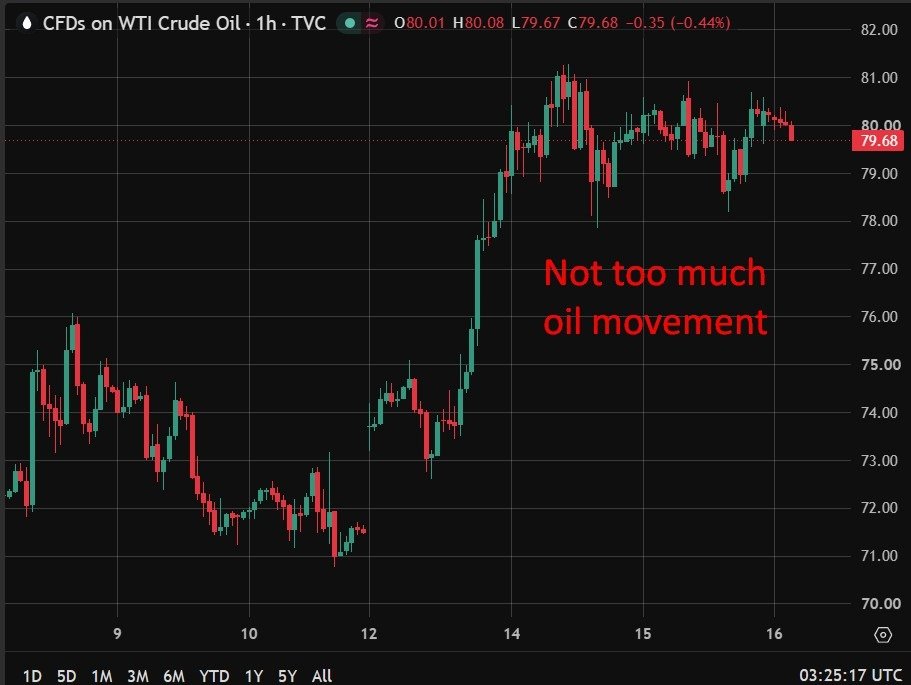
- Despite the release, both US and Iranian strikes continued through the day, with oil remaining supported but failing to extend recent gains
- Japanese and South Korean equities opened sharply weaker, with chip stocks leading losses in both markets
- South Korea’s KOSDAQ triggered a sell-side sidecar following an earlier one on the KOSPI, as the selloff deepened
- South Korea’s financial regulator said new measures on single-stock leveraged ETFs are coming soon, with the products increasingly linked to the scale of the selloff
- The Bank of Korea raised its base rate by 25bp to 2.75%, its first hike since early 2023, a move widely expected and aimed at supporting the won and anchoring inflation expectations
- USD/KRW fell to a two-month low following the hike, even though the move itself was fully priced in
- St. Louis Fed President Alberto Musalem spoke at an event but did not comment on the economy or policy
Main article:
A rare hint of a diplomatic opening did little to calm markets on Thursday, as President Trump announced that Iran has released an American citizen who had been wrongfully detained since December 2024. Writing on Truth Social, Trump said the individual, whom he did not name, is now safely outside of Iran and in good condition, offering no further detail on the circumstances of her release or the negotiations behind it. The gesture briefly raised questions about whether it signalled a thaw between Washington and Tehran, but both sides continued exchanging strikes through the day, and oil, while remaining supported, did not push further to the upside.
The bigger story for markets was a sharp, chip-led selloff across Asia. Japan’s Nikkei and South Korea’s Kospi both opened sharply weaker, with memory and equipment makers including Kioxia, SoftBank Group and Advantest leading Tokyo’s declines, while SK Hynix and Samsung Electronics dragged the Kospi down hard enough to trigger a sell-side sidecar. The selling later spread to the KOSDAQ, which triggered its own sidecar following the Kospi’s. South Korea’s Financial Services Commission chief said new measures on single-stock leveraged ETFs would be announced soon, a signal directly tied to the growing scrutiny of those products’ role in amplifying the day’s swings.
Against that backdrop, the Bank of Korea delivered a widely expected 25 basis point hike, lifting its base rate to 2.75% in its first move since early 2023. The decision, backed by all but one of 37 economists polled by Reuters, was aimed squarely at shoring up a depreciating won and keeping a lid on stubborn inflation expectations. Despite the hike being fully priced in, USD/KRW still slipped to a two-month low in its wake, suggesting the currency reaction ran somewhat ahead of what the consensus call alone would imply.
Elsewhere, St. Louis Fed President Alberto Musalem made an appearance at an event but offered no comment on the economy or monetary policy, leaving his recent hawkish signals on inflation as the most current read on his thinking heading into the next stretch of Fed commentary.