At a glance:
-
Iran launches retaliatory strikes after Larijani killing
-
Oil slips despite tensions, no fresh escalation signals
-
Iraq and the Kurdistan Regional Government agreed to resume Ceyhan oil exports
-
Mixed US inventory data: crude build, gasoline draw
-
Japan exports slow; US auto shipments and China demand weaken
-
Japan–US to announce ¥11tn+ investment package
-
FX subdued ahead of Fed; BoJ decision due Thursday
-
Both Fed and BoJ expected to hold policy steady
-
China firms reportedly approved to buy Nvidia H200 chips
-
War-driven inflation risks rising, but growth headwinds building
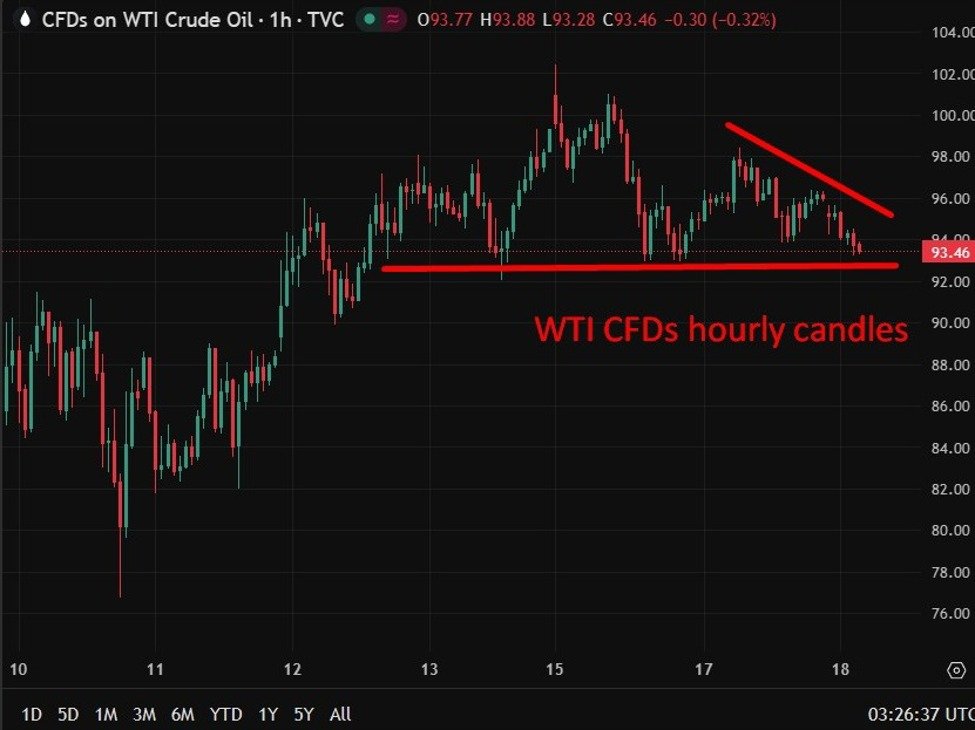
Iran launched retaliatory strikes on Israel and US-linked assets following the killing of security chief Ali Larijani in an airstrike, though oil prices edged lower as markets saw no clear sign of further escalation or de-escalation. Price action was also weighed by mixed US private inventory data, with a larger-than-expected crude build offset by a deeper-than-forecast draw in gasoline. Official inventory data will follow on Wednesday morning US time. Iraq and the Kurdistan Regional Government agreed to resume Ceyhan oil exports.
In Japan, export growth slowed, reflecting weaker auto shipments to the US and softer demand from China amid Lunar New Year disruptions. Separately, Japan and the US are expected to unveil a joint statement outlining more than ¥11 trillion in additional investment commitments, marking a second tranche of economic cooperation.
Major FX pairs traded in subdued ranges ahead of today’s Federal Open Market Committee (FOMC) decision, with markets also looking ahead to the Bank of Japan policy announcement on Thursday (Japan time). Both central banks are widely expected to leave rates unchanged.
In tech, multiple Chinese firms were reportedly granted approval to purchase NVIDIA H200 AI chips, suggesting some easing at the margin in cross-border semiconductor flows.
Looking ahead, once the Fed decision passes, attention is likely to shift more fully to the economic implications of the Iran conflict. While the policy tone may lean hawkish with renewed emphasis on inflation risks, particularly via energy, there is a growing recognition that downside risks to employment and household income are also building.