At a glance:
-
Oil gains were contained after the U.S. issued a temporary licence allowing sales of Russian oil already at sea.
-
The Trump administration framed the move as a short-term measure to stabilise global energy markets amid the Iran conflict.
-
Japan and other Asia-Pacific nations are preparing around $30bn in energy and critical minerals deals with U.S. companies.
-
Australia plans to release around 20% of fuel reserves to address supply shortages.
-
FX markets were subdued with USD/JPY drifting toward 159.50, while Asia-Pacific equities were mixed.
It was a subdued session across Asia-Pacific markets, with price action largely contained as traders digested developments in energy markets and geopolitics.
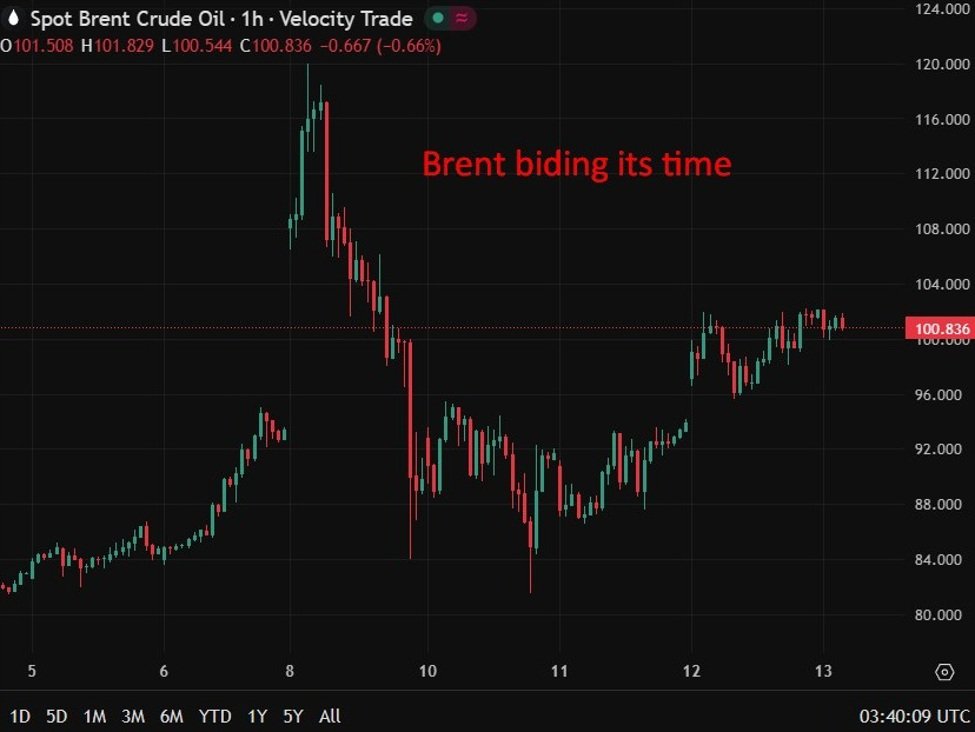
Oil prices remained elevated but upside momentum was somewhat capped after the United States issued a Russia-related general licence allowing the sale of Russian crude oil and petroleum products that were already loaded onto vessels.
Treasury Secretary Scott Bessent said the Trump administration would allow countries to purchase Russian oil currently stranded at sea as a temporary measure aimed at increasing global supply and stabilising energy markets. The licence effectively provides a 30-day sanctions waiver for cargoes already in transit, giving traders and refiners time to complete transactions while avoiding further disruption to supply.
The move comes as Washington attempts to contain energy market volatility triggered by the conflict involving Iran and disruptions around key shipping routes.
In broader energy news, Japan and several Asia-Pacific partners are expected to unveil at least $30 billion in agreements with U.S. companies during a visit by Trump administration officials to Tokyo this weekend. The deals are expected to include purchase commitments and investment across sectors such as coal, oil, liquefied natural gas and nuclear power, as Washington promotes deeper regional cooperation on energy security and critical minerals supply chains.
Meanwhile, Australia announced it will release roughly 20% of its fuel reserves, a measure aimed primarily at addressing supply shortages that have already emerged in rural and regional areas.
In currency markets, activity was relatively muted. The U.S. dollar traded in narrow ranges across major pairs, with USD/JPY edging back toward the 159.50 level as traders remained alert to the risk of potential intervention should the pair approach 160 and above.
Equity markets across the region were mixed. Japan’s Nikkei underperformed, while broader regional indices saw modest movement. U.S. equity index futures were slightly firmer, pointing to a steadier tone heading into the next global trading session.