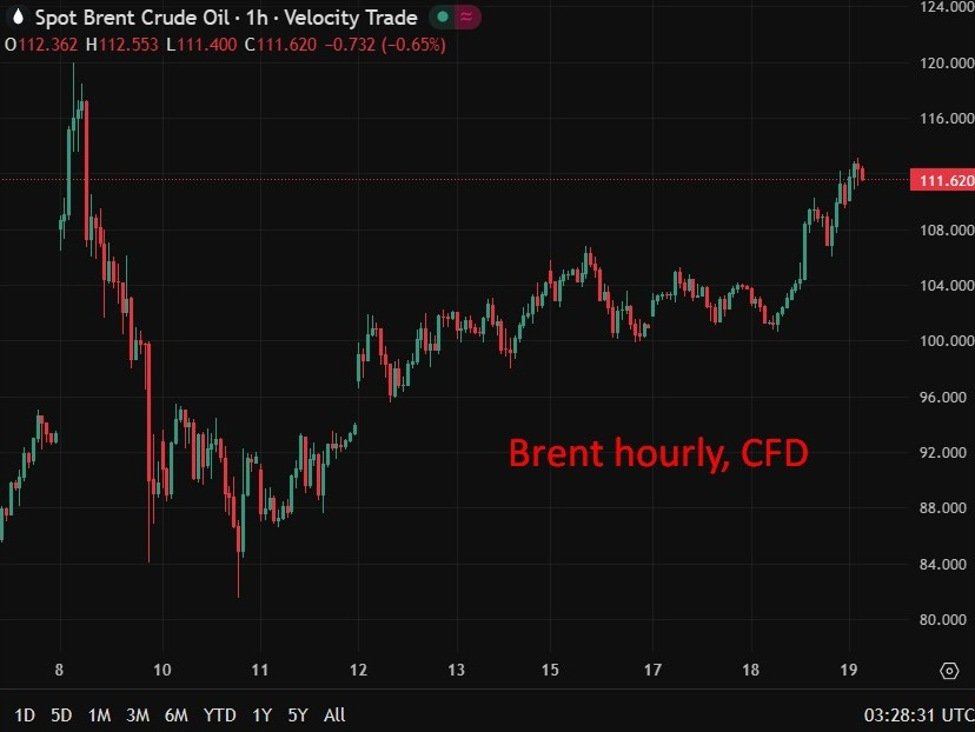
At a glance:
-
Oil surges as strikes hit major Middle East energy infrastructure
-
South Pars and Ras Laffan targeted, escalating LNG supply risks
-
Iran launches multi-country retaliation across Gulf and US-linked assets
-
Qatar LNG facilities hit twice, fires and extensive damage reported
-
Trump signals de-escalation on South Pars but issues extreme retaliation threat
-
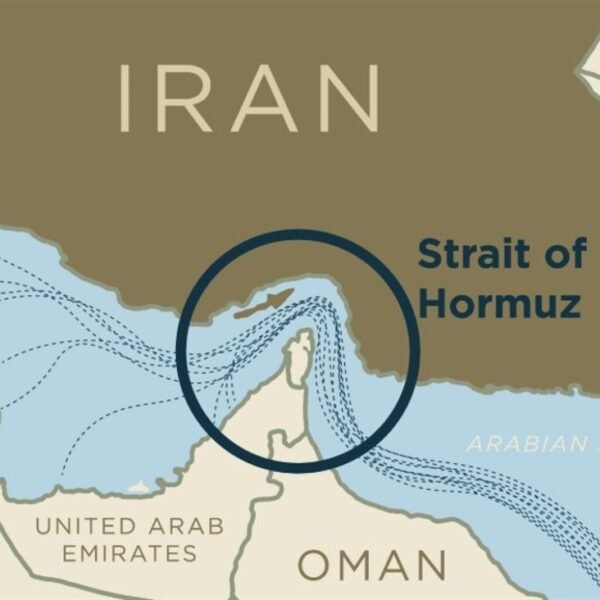
US weighing troop deployment, including Hormuz security options
-
Saudi rhetoric hardens, signalling regional escalation risk
-
Asia equities fall, USD trims gains amid risk volatility
Oil markets dominated the session as escalating attacks on energy infrastructure across the Middle East drove sharp gains, before prices pared much of the advance following de-escalatory signals from U.S. President Donald Trump.
Crude had surged after Israel struck Iran’s South Pars gas field and the Asaluyeh oil facility on Wednesday, marking a major escalation into critical energy assets. Iran responded with a broad retaliation, including a strike on Qatar’s Ras Laffan complex, the world’s largest LNG hub, accounting for around 20% of global supply. Qatari authorities later confirmed further attacks on LNG facilities, with fires and extensive damage reported.
The conflict widened materially, with Iran launching strikes across multiple countries targeting Gulf states, U.S. assets, and key infrastructure, underscoring the risk of a broader regional confrontation.
Energy security concerns intensified after Iran warned it could escalate to the “complete destruction” of energy infrastructure if attacks continue, while unconfirmed reports pointed to a potential strike on Saudi Arabia’s Yanbu refinery, an important alternative export route that bypasses the Strait of Hormuz.
From Washington, Trump struck a mixed tone, seeking to calm markets by signalling no further Israeli attacks on South Pars, while warning the U.S. could “massively” destroy the field if Qatar’s LNG infrastructure is hit again. The comments helped cap oil’s upside into the latter part of the session.
Separately, Reuters reported the U.S. is considering deploying thousands of additional troops to the region, including options to secure the Strait of Hormuz and potentially position forces along Iran’s coastline, moves that would mark a significant escalation.
Regional tensions were further amplified by a deterioration in diplomacy, with Qatar expelling Iranian diplomatic staff and Saudi Arabia issuing unusually direct warnings, signalling the collapse of a fragile detente.
—
In other developments, Australia’s February labour market report painted a mixed picture. Employment rose strongly for a third consecutive upside surprise, but the details were softer, with a sharp drop in full-time jobs and a rise in the unemployment rate as participation increased. The data is unlikely to derail the Reserve Bank of Australia’s tightening bias following back-to-back rate hikes, with markets still focused on inflation risks, particularly those tied to the Middle East-driven energy shock.
The RBA reinforced those concerns in its Financial Stability Review, warning the conflict could trigger a severe global shock, including disorderly asset repricing and renewed inflation pressures, even as it noted domestic financial resilience.
In Japan, the Bank of Japan left policy unchanged in an 8–1 decision, though dissent from board member Takata highlighted a more hawkish tilt, with calls for a rate hike on the view that inflation dynamics are already consistent with the 2% target.
Across markets, Asia-Pacific equities declined following losses on Wall Street, while the U.S. dollar partially retraced recent gains as volatility remained elevated.