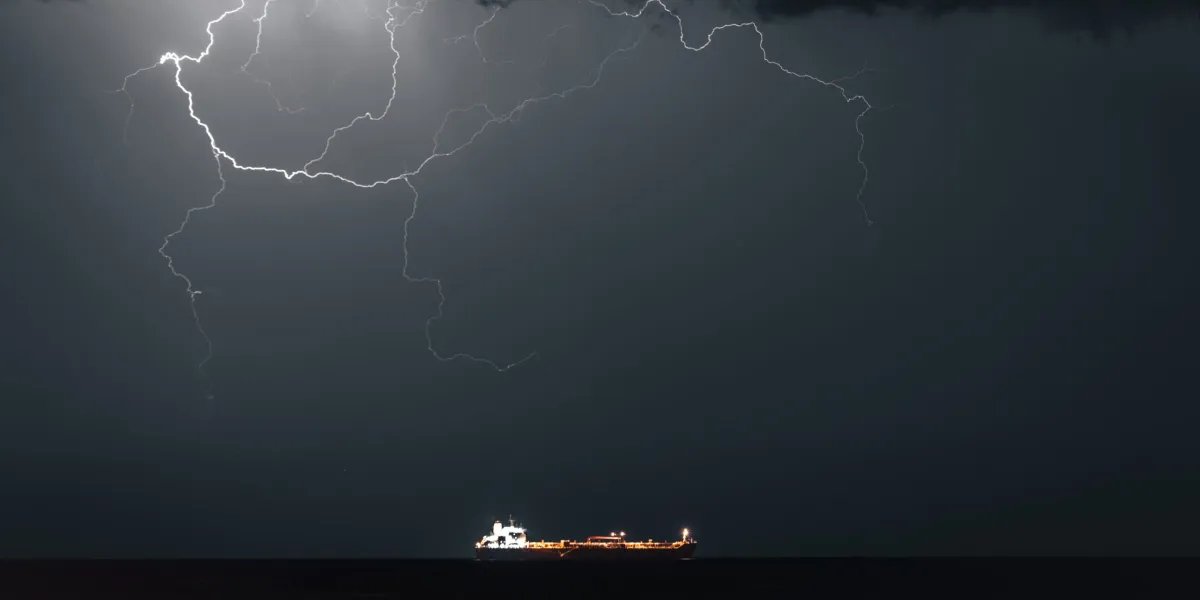
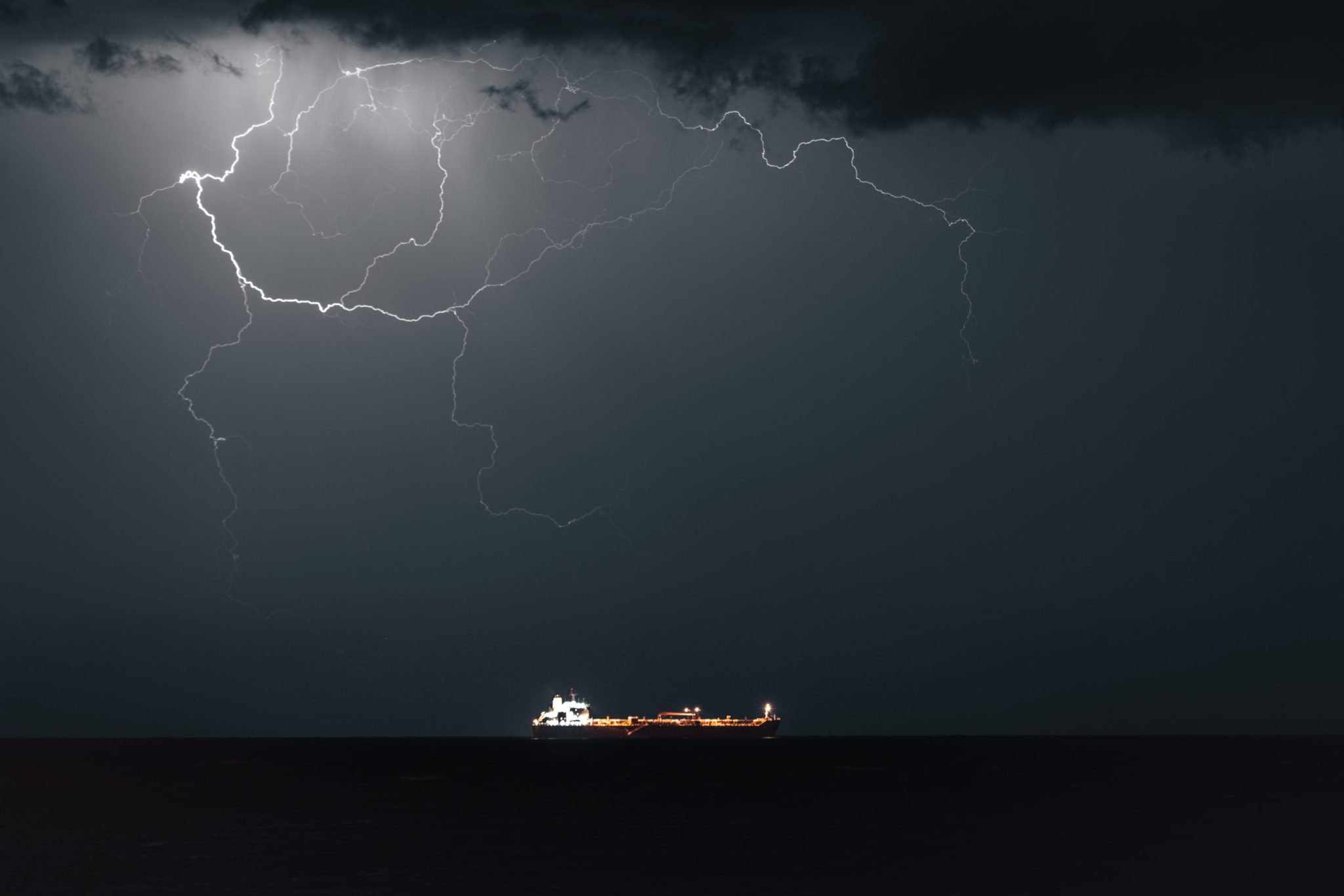
The Iranian military said major oil producer Iraq is exempt from shipping restrictions in the Strait of Hormuz, a potentially significant move for global crude supplies.
“Brotherly Iraq is exempt from any restrictions we have imposed on the Strait of Hormuz,” Iran’s military spokesman said in an Arabic-language video statement published by state-run Islamic Republic News Agency.
The declaration has the potential to unleash as much as 3 million barrels a day of Iraqi oil cargoes. An Iraqi official, however, cautioned that the usefulness of the exemption will depend on whether shipping companies are willing to risk entering the strait to collect cargoes.
It’s not immediately clear if the exemption will apply to all Iraqi oil or just the nation’s tankers, or indeed how it will be enforced.
Read More: Secret Codes, Yuan Fees Get Ships Through Iran’s Hormuz Tolls
Even as fighting continues and the US steps up its threats, vessel traffic through the vital strait has ticked up slightly, with a handful of Asian nations negotiating safe passage. A French container ship crossed the strait this week in a first for a western European vessel, and a Japanese-owned LNG tanker also made it out.
Still, the number of transits remains a small fraction of the pre-war rate, when one-fifth of the world’s oil and liquefied natural gas passed the strait.
Read More: Here’s a List of Gulf Energy Infrastructure Damaged in Iran War
Early in the war that has raged for five weeks, Iraq and other key Persian Gulf oil producers were forced to slash crude output as the primary export route closed and storage tanks filled to capacity.
Iraqi oil exports plunged by roughly 97% to a daily average of 99,000 barrels in March from the prior month as production shrank and overseas shipments were restricted to a pipeline system that transverses Turkey to the Mediterranean port of Ceyhan.
Iran’s loosening of Hormuz restrictions opens at least an opportunity for Iraq to resume some seaborne shipments, though other hurdles remain, including a lack of clarity on when and by how much the nation’s oil fields can ramp up output.
Regional Brothers
It’s also unclear, given weeks of shipping turmoil, how much tanker capacity will be immediately available to load and haul Iraqi crude from Persian Gulf ports.
Iraq is the second-largest oil producer in OPEC, second only to Saudi Arabia.
The Iranian statement distinguished “brotherly” Iraq from “hostile” states that Tehran has repeatedly said the strait is closed to. Speaking in Arabic rather than Iran’s native Persian, the military spokesman thanked the Iraqi people for their support since the war began.
The two neighbors have close ties — despite a brutal eight-year war in the 1980s — thanks in part to their majority Shia Muslim populations. Iraqi militias form a key node in Iran’s network of regional proxies opposed to the US and Israel, and Baghdad also relies on Tehran for supplies of natural gas.