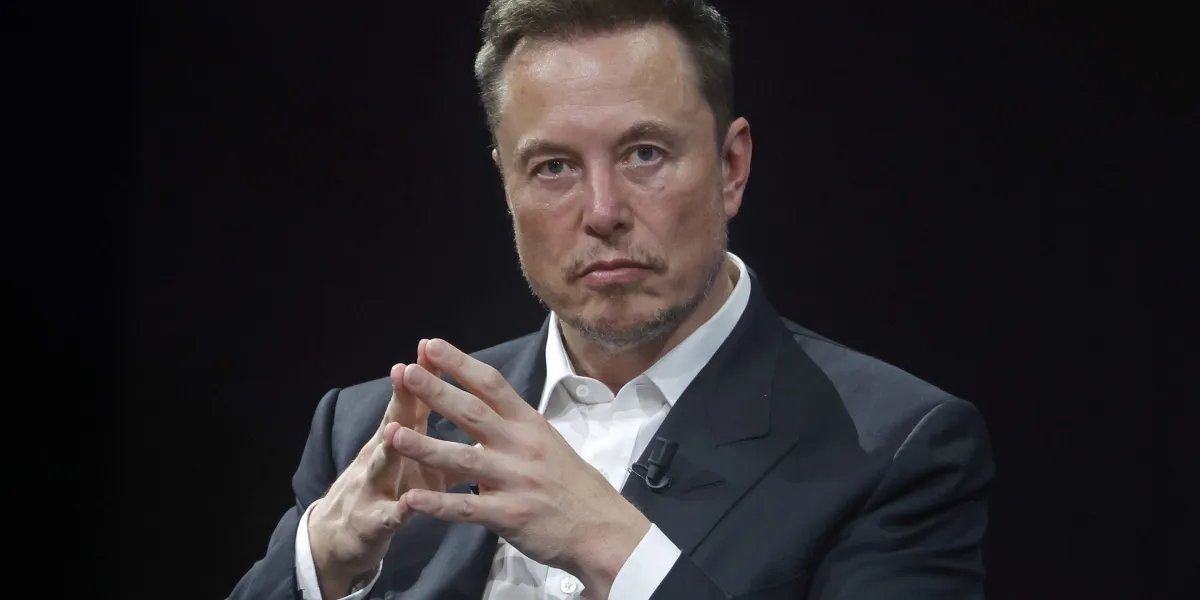
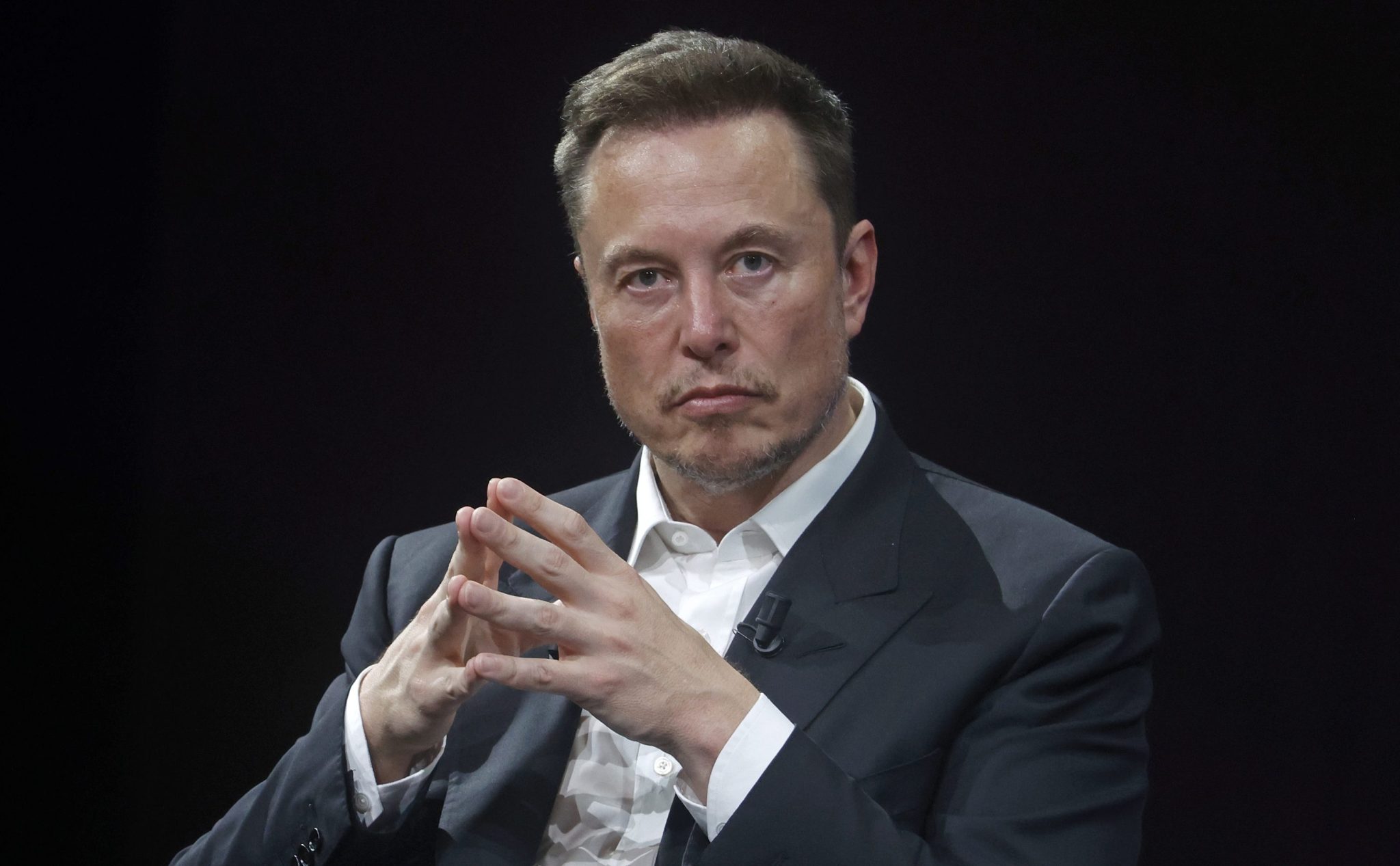
An Oakland, California jury rejected Elon Musk’s claims against OpenAI and its CEO Sam Altman, after just two hours of deliberation on Monday and three weeks of testimony.
The 9-person jury did not rule on the merits of Musk’s complaint that OpenAI violated its original non-profit structure by evolving into a for-profit corporation, and instead said that Musk had not filed his lawsuit within the three-year statute of limitations, according to news reports.
According to CNBC, the court, led by U.S. District Judge Yvonne Gonzalez Rogers, agreed with the jury’s determination that Altman and OpenAI were not liable, and that “claims of breach of charitable trust and unjust enrichment are dismissed as untimely.”
Musk’s lawyer said he reserved the right to appeal, Reuters reported, but the judge suggested he may have an uphill battle because the question of whether the statute of limitations ran out before Musk sued was a factual issue. “There’s a substantial amount of evidence to support the jury’s finding, which is why I was prepared to dismiss on the spot,” U.S. District Judge Yvonne Gonzalez Rogers said.
The jury’s rapid, unanimous decision follows a high profile, bitter courtroom battle between two of the tech industry’s most powerful players, and could clear the way for OpenAI to move forward with a highly anticipated initial public stock offering.
Lawyers for OpenAI erupted in cheers and clapping after the verdict was announced, according to Wired reporter Max Zeff. The decision deals a blow to Musk, the world’s richest person, who sued Altman and OpenAI in 2024, alleging they violated their commitment to keep the AI research lab as a nonprofit. Musk helped start OpenAI in 2015, but left the board three years later. Musk’s lawsuit has asked for $150 billion in damages to be redirected to a charitable trust, and requested an unwinding OpenAI’s for-profit corporate structure.
Microsoft, which invested in OpenAI as early as 2019, was also named as a defendant in the suit, with Musk claiming the software giant aided and abetted the AI startup in its alleged breach of the charitable trust. The court said the claim against Microsoft was also dismissed.
As Fortune‘s Jeremy Kahn wrote in an analysis during the trial’s first week, the judge and jurors in the case (the jury’s verdict was merely advisory) needed to decide whether Altman’s and Brockman’s communications with Musk around the formation of OpenAI established a formal “charitable trust” and whether Altman and Brockman subsequently violated that trust when they restructured OpenAI so that its non-profit board no longer had sole control over its for-profit arm. They also had to decide on Musk’s allegations that Altman and Brockman unjustly enriched themselves as OpenAI re-oriented from a research-oriented lab to being primarily a commercial entity.
“Most legal analysts say Musk’s case is weak and that he’s likely to lose,” Kahn worte. “In fact, I’m surprised the case has even come to trial. I thought that Musk would opt to settle at the last minute. I had long-assumed that this was one of those legal cases where the lawsuit itself was the whole point, not whether Musk ultimately prevailed.”