As anyone who works in digital marketing knows, SEO, and our approach to maximizing referral traffic, is changing.
Whereas once everybody was focused on maximizing traffic from Google Search, now, an increasing number of Google searches (60%) end without a click through to a website, which means that website traffic is no longer the best measure of online presence or success.
So what is?
Well, at least one helpful measure is presence in AI-generated search results, which can help to boost brand awareness and referral clicks.
And with recent reports showing that LinkedIn is now one of the most cited references for AI chatbots, its clearly doing something right on this front, and today, LinkedIn has shared some initial insights into its efforts to better align with AI discovery, and how it’s driving more interest from AI tools.
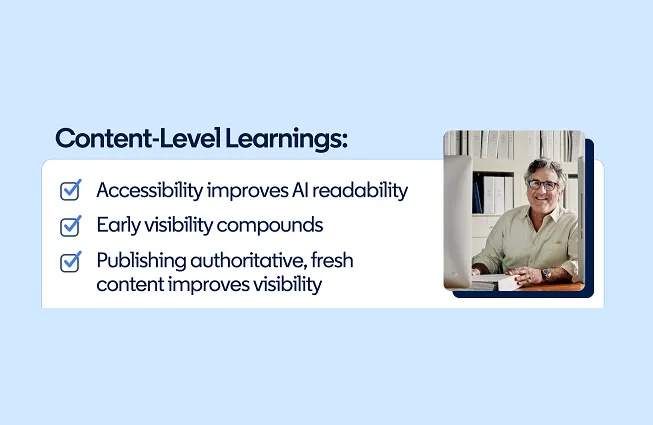
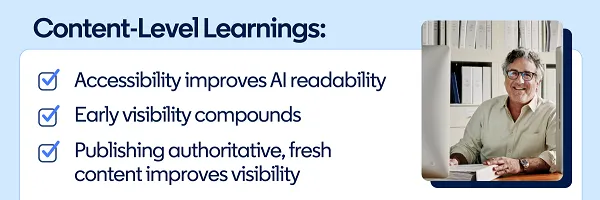
In its overview, LinkedIn says that it has focused on three key content-level changes to help maximize its presence.
- LinkedIn says that content structure is important, and that “the more structured and logical your content is, the easier it is for LLMs to understand and surface.” That means proper use of headings and sub-headings, and relevant separation of key sections.
- Along the same line, clear HTML structure will help LLMs understand content, and the purpose of each section.
- LinkedIn says that LLMs “favor content that signals credibility and relevance, authored by real experts, clearly time-stamped, and written in a conversational, insight-driven style.” Which could be why LinkedIn has seen success, because it has content from professional contributors looking to share their industry knowledge, while it also has the validation of follower counts as a qualifier to underline likely relevance (Reddit, another highly cited source for AI tools, has upvotes as a secondary qualifier).
Of course, you can’t have these same qualifiers on your own site, but structurally, you can ensure you follow general rules, while posting on other platforms that do have additional filters to boost top responses could be another way to increase visibility.
In terms of broader AI strategy, LinkedIn has found that “cross functional content and consistency” are important, while LinkedIn also suggests that publishers and websites should switch focus to LLM referral traffic, citation and mentions volume, in order to track performance aside from traditional SEO.
So how can you do that?
LinkedIn says that it uses AI visibility software, and there’s a range of tools that now offer this functionality.
In summary, LinkedIn says that it’s adopted a new approach to search discovery, evolving from common SEO mantras.
“We are moving away from ‘search, click, website’ thinking toward a new model: Be seen, be mentioned, be considered, be chosen.”
That, again, points to using more qualified platforms for more visibility, and having citations to back up your credentials.
Which really sounds like things like Google Authorship, a relic of the past in SEO terms, would be helpful in the new AI age.
In essence, you want to build credibility so that LLMs know that your information can be trusted, and that you’re a reliable source for your niche. As such, referrals from other platforms are still critically important, so building your presence on other apps will play a bigger role in discovery.
You can check out LinkedIn’s full AI overviews summary here.