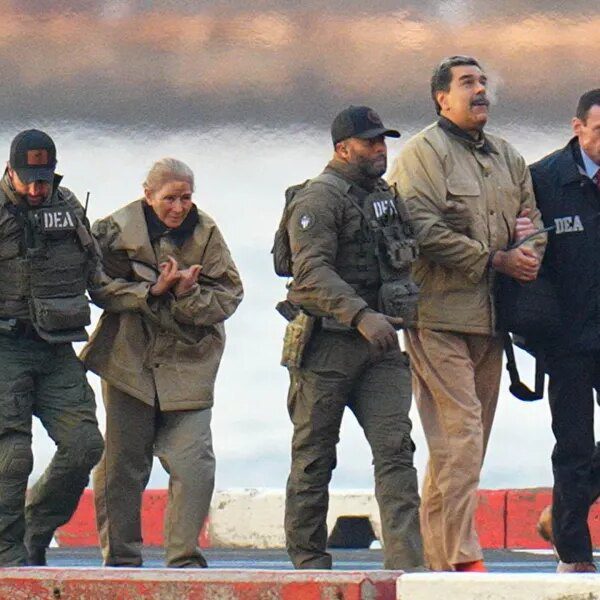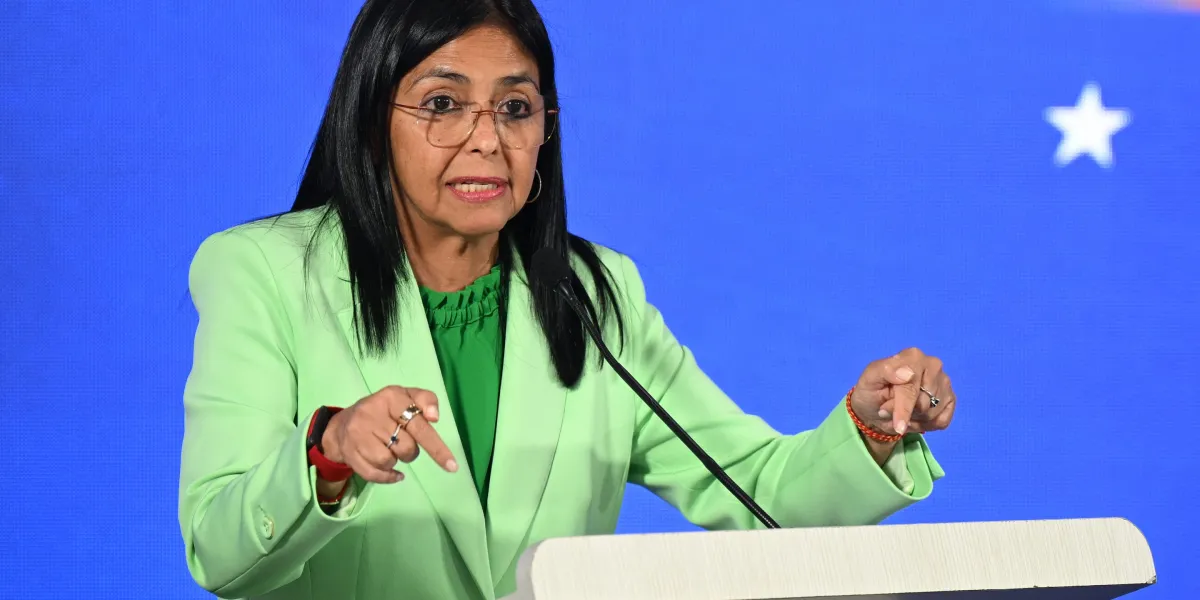

After the U.S. military arrested Nicolas Maduro and sent him to New York to face criminal charges, Delcy Rodríguez became Venezuela’s de facto leader and was identified by President Donald Trump as the key enabler of his policy.
During a press briefing on Saturday, he said “we’re going to run” the country to allow for a transition to new leadership, claiming Rodríguez is “essentially willing to do what we think is necessary to make Venezuela great again” and will take orders from the U.S.
But Rodríguez, 56, remained defiant, demanding the release of Maduro and saying Venezuela will never be a colony again. Trump then told the Atlantic that “if she doesn’t do what’s right, she is going to pay a very big price, probably bigger than Maduro.”
Iria Puyosa, a senior research fellow at the Atlantic Council’s Democracy+Tech Initiative and a former professor at the Central University of Venezuela, warned Rodríguez doesn’t appear to have support from all factions in the ruling party.
“Rodríguez cannot guarantee the stability required for the business operations Trump emphasized several times during his remarks on the operation,” Puyosa wrote in a blog post. “Chavismo no longer enjoys the widespread popular support it had two decades ago.”
Her rise to power caps a career climbing the ranks of the Venezuelan government. When Maduro was captured, she was serving as oil minister in addition to her role as vice president.
Rodríguez was born in Caracas into a politically active left‑wing family and studied law at the Central University of Venezuela, with brief stint focusing on labor law in France.
She entered government in the early 2000s during Hugo Chávez’s presidency, starting in technical and advisory roles. But her career really took off after his death in 2013. Once Maduro assumed power, Rodríguez was named communications minister. Then she served as foreign minister from 2014 to 2017.
In 2017, Rodríguez became president of the Constituent National Assembly and effectively sidelined the opposition‑led legislature. Maduro named her as his vice president and head of a Venezuelan intelligence agency in 2018.
She added economy minister to her portfolio in 2020 after Venezuela had suffered through years of calamity. While high oil prices propped up the country during the Chávez regime, crude tumbled in 2014.
Mismanagement, high inflation, U.S. sanctions, and underinvestment in the oil industry added to the economy’s woes, forcing millions of Venezuelans to flee the country.
Despite being a longtime socialist, Rodríguez also had a reputation as a technocrat and turned to market-friendly reforms to try to pull the economy out of its tailspin.
For example, she privatized some state assets and pursued a fiscal policy that was relatively more conservative than before. Rodríguez also became friendlier with business leaders.
Still, the economy remains a mess and has shrunk by 80% since Maduro became president in 2013. Meanwhile, Venezuela’s oil infrastructure has fallen into disrepair and output has crumbled.
Despite having the world’s largest proven oil reserves, production has plunged to about 960,000 barrels a day from 3.2 million barrels daily in 2000 and a peak of nearly 4 million.
Trump aims to turn that around and predicted Maduro’s ouster will unleash a flood of investment in Venezuela from U.S. oil companies.
“We’re going to rebuild the oil infrastructure, which will cost billions of dollars,” he told reporters on Saturday. “It’ll be paid for by the oil companies directly, and they will be reimbursed for what they’re doing. But it’s going to be paid, and we’re going to get the oil flowing.”
This story was originally featured on Fortune.com