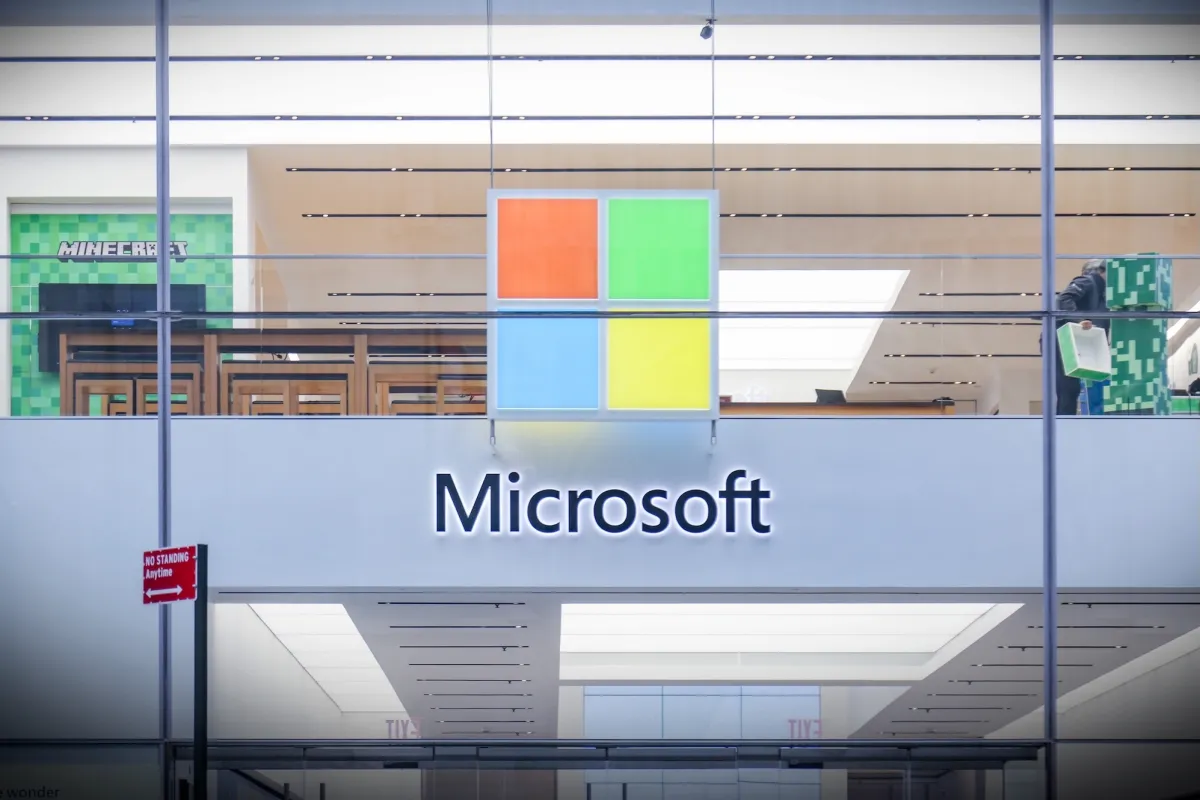
Although public backlash against data centers has been intense over the past twelve months, all of the tech industry’s biggest companies have promised additional buildouts of AI infrastructure in the coming year. That includes OpenAI partner Microsoft, which, on Tuesday, announced what it calls a “community-first” approach to AI Infrastructure.
Microsoft’s announcement, which comes only a day after Mark Zuckerberg said that Meta would launch its own AI infrastructure program, isn’t unexpected. Last year, the company announced that it planned to spend billions to expand its AI capacity. What is a little unusual are the promises the company has now made about how it will handle that buildout.
On Tuesday, Microsoft promised to take the “steps needed to be a good neighbor in the communities where we build, own, and operate our data centers.” That includes, according to the company, its plans to “pay its own way” to ensure that local electricity bills don’t go through the roof in the places where it builds. Specifically, the company says it will work with local utility companies to ensure that the rates it pays cover its full share of its burden on the local grid.
“We will work closely with utility companies that set electricity prices and state commissions that approve these prices,” Microsoft said. “Our goal is straightforward: to ensure that the electricity cost of serving our data centers is not passed on to residential customers.”
The company has also promised to create jobs in the communities where it touches down, as well as to minimize the amount of water that its centers need to function. Water usage by data centers has obviously been a contentious topic, with data centers accused of creating substantial issues for local water supplies and spurring other environmental concerns. The jobs promise is also relevant, given lingering questions around the number of both short-term and permanent jobs that such projects typically create.
It’s pretty clear why Microsoft feels it is necessary to make these promises right now. Data center construction has become a political flashpoint in recent years, generating intense backlash and protest from local communities. Data Center Watch, an organization that tracks anti-data center activism, has observed that there are as many as 142 different activist groups across 24 states currently organizing against such developments.
This backlash has already impacted Microsoft directly. In October, the company abandoned plans for a new data center in Caledonia, Wisconsin, after “community feedback” was overwhelmingly negative. In Michigan, meanwhile, the company’s plans for a similar project in a small central township have recently inspired locals to take to the streets in protest. On Tuesday, around the same time Microsoft announced its “good neighbor” pledge, an op-ed in an Ohio newspaper (where Microsoft is currently developing several data center campuses) excoriated the company, blaming it and its peers for climate change.
Techcrunch event
San Francisco
|
October 13-15, 2026
Concerns have extended even to the White House, where an AI buildout has become one of the major tenets of the Trump administration. On Monday, President Trump took to social media to promise that Microsoft specifically would make “major changes” to ensure that Americans’ electricity bills wouldn’t rise. Trump said the changes would “ensure that Americans don’t ‘pick up the tab’ for their power consumption.”
In short, by now, Microsoft understands that it’s fighting a tide of negative public opinion. It remains to be seen whether the company’s new assurances of jobs, environmental stewardship, and low electricity bills will be enough to turn the tide.