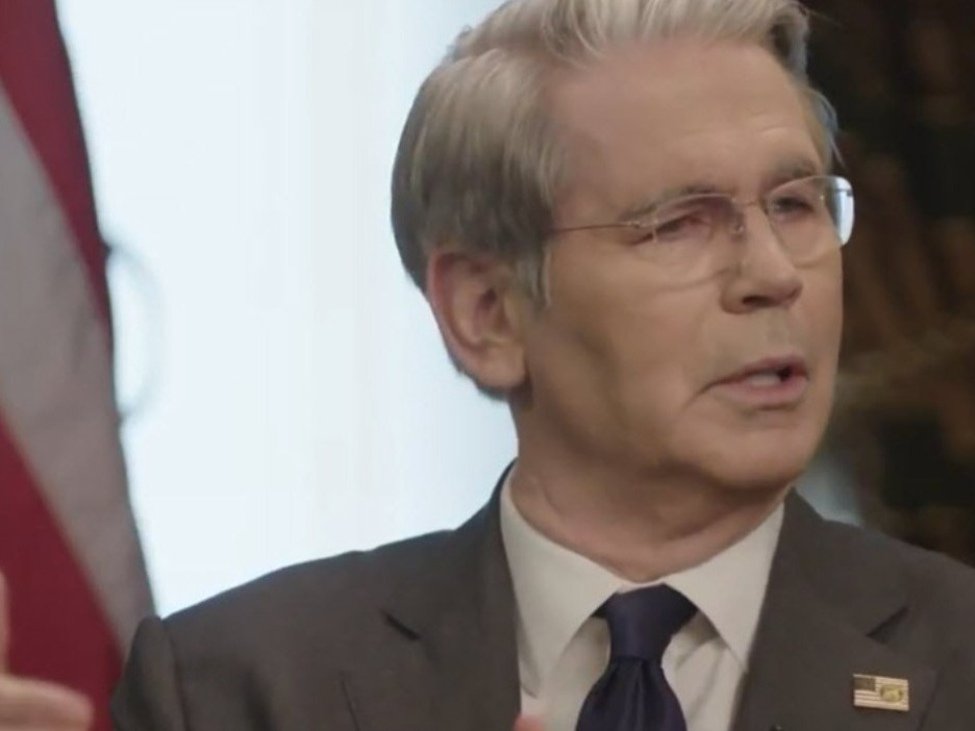
Another of Trump’s yes men with ‘expert’ comments on his war.
- US Treasury Secretary Bessent says we know that Iran has not mined the Strait of Hormuz.
- Says there will be a lower oil price regime over the medium-term after the conflict
- Says the Fed is a long way from returning to quantitative easing
—
U.S. Treasury Secretary Scott Bessent said Washington believes Iran has not mined the Strait of Hormuz, noting that some vessels are still navigating the strategic waterway despite heightened tensions in the region. Tankers, including Iranian and Chinese-flagged ships, have continued passing through the strait, indicating the shipping route remains physically open even as attacks on commercial vessels have disrupted trade flows.
Bessent also suggested earlier that the United States could eventually coordinate naval escorts for commercial shipping through the strait once military conditions allow. Such a move would likely involve international partners and would depend on establishing greater air superiority and degrading Iran’s missile capabilities in the region.
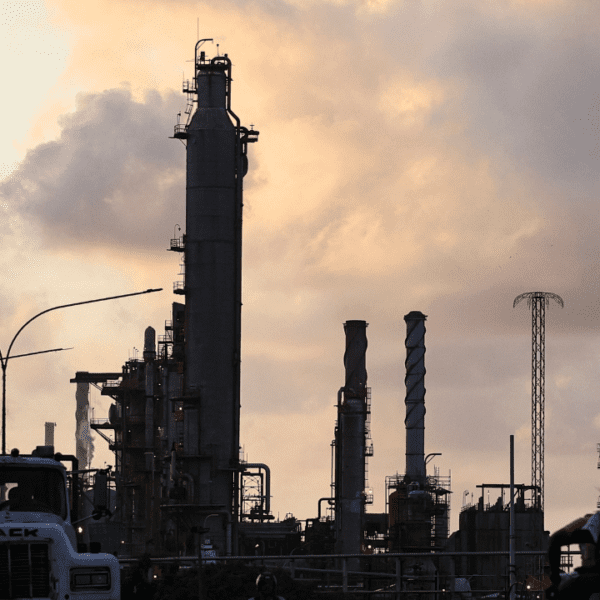
Despite the current geopolitical turmoil, Bessent argued that global oil markets should ultimately settle into a lower price environment over the medium term once the conflict subsides and supply flows stabilise. His comments reflect the U.S. administration’s view that energy markets remain structurally well supplied and that temporary disruptions tied to the conflict will eventually fade.
At the same time, Bessent addressed monetary policy expectations in the United States. He said the Federal Reserve remains far from returning to quantitative easing, signalling that policymakers are not considering a revival of large-scale asset purchases anytime soon. The remarks reinforce the view that the central bank intends to rely on conventional tools rather than emergency-era stimulus policies introduced during previous crises.
Bessent has previously been critical of quantitative easing, arguing that prolonged asset purchases can distort financial markets and inflate asset prices. His comments suggest that, even if economic conditions weaken, the threshold for reintroducing QE would be very high.
Taken together, the Treasury secretary’s remarks offer insight into how Washington views the intersection of geopolitics, energy markets and monetary policy. While the conflict with Iran has heightened risks for global shipping and oil flows, U.S. officials appear confident that the Strait of Hormuz has not been mined and that longer-term energy prices will moderate once tensions ease.