Trump announces Lebanon-Israel ceasefire extended three weeks (earlier news on this here) after Oval Office talks. Wednesday was a deadly day in Lebanon with five killed including a journalist. This despite the April 16 truce.
Summary
- Ceasefire between Lebanon and Israel extended by three weeks following a White House meeting hosted by Trump
- Lebanese and Israeli ambassadors to Washington attended the Oval Office talks alongside senior US officials including Vance, Rubio and Huckabee
- Wednesday was Lebanon’s deadliest day since the ceasefire took effect on April 16, with five people killed including journalist Amal Khalil
- Hezbollah says it wants the truce to continue but only on the basis of full Israeli compliance, including halting strikes and village demolitions
- Israel continues to occupy a belt of southern Lebanon extending 5 to 10 kilometres into the country
- Nearly 2,500 people have been killed in Lebanon since hostilities reignited on March 2 when Hezbollah opened fire in support of Iran
- Lebanon’s longer-term agenda includes pushing for Israeli withdrawal, return of Lebanese detainees and land border delineation
- Israel’s stated objectives include dismantlement of Hezbollah and conditions for a permanent peace deal
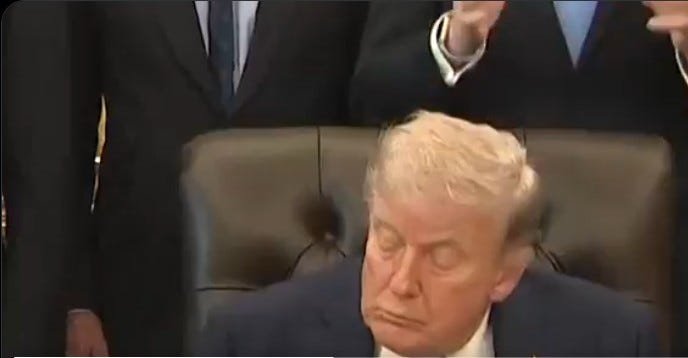
The ceasefire between Lebanon and Israel has been extended by three weeks following US-facilitated talks at the White House, President Donald Trump announced on Thursday. The extension averts a collapse of the truce that had been due to expire on Sunday, though conditions on the ground remain tense and the underlying disputes between the two sides are far from resolved.
Trump hosted the Israeli and Lebanese ambassadors to Washington in the Oval Office, joined by Vice President JD Vance, Secretary of State Marco Rubio and senior US envoys to both countries. The high-level US representation signals Washington’s continued investment in stabilising the Lebanon front. Trump said the meeting went well and indicated he looked forward to hosting Israeli Prime Minister Netanyahu and Lebanese President Aoun in Washington in the near future.
The announcement came on Lebanon’s deadliest day since the ceasefire took effect on April 16. Israeli strikes on Wednesday killed five people including journalist Amal Khalil of Al-Akhbar newspaper. Hezbollah confirmed it carried out four operations in southern Lebanon in response, underlining the extent to which the truce remains a fragile and contested arrangement rather than a clean cessation of hostilities.
Hezbollah said it supported the ceasefire continuing, but only on the basis of full Israeli compliance — defined as halting strikes, assassinations and the demolition of villages in the south. Israel continues to occupy a self-declared buffer zone extending 5 to 10 kilometres inside Lebanese territory, which it says is necessary to shield northern Israel from attack.
Lebanon’s longer-term agenda includes pushing for a full Israeli withdrawal, the return of Lebanese detainees and formal land border delineation. Israel’s stated objectives — the dismantlement of Hezbollah and conditions for a permanent peace deal — remain fundamentally at odds with those ambitions. Nearly 2,500 people have been killed in Lebanon since hostilities reignited on March 2 when Hezbollah opened fire in support of Iran.
—
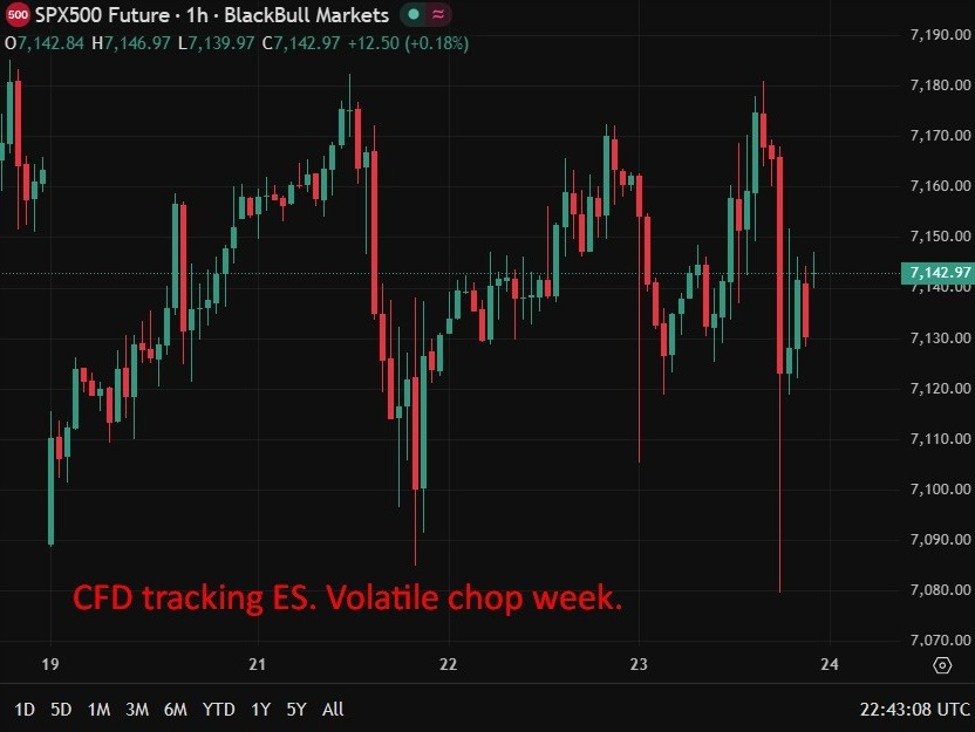
A three-week extension rather than a durable settlement keeps geopolitical risk premium in regional markets elevated. The ceasefire remains brittle, with continued Israeli strikes and Hezbollah operations in southern Lebanon underscoring the gap between a temporary truce and a lasting resolution. For energy markets, any deterioration in the Lebanon front that draws in broader regional actors would compound existing supply-side pressures already stemming from the Iran conflict. The limited, incremental nature of the diplomatic progress nevertheless offers some comfort to investors. More certainty and clarity on the trajectory of the wider Middle East situation would be welcome, though.