National Australia Bank has struck a more hawkish tone on the Reserve Bank of Australia’s outlook, forecasting two 25 basis point rate hikes in 2026, beginning in February and followed by a second increase in May, diverging sharply from current market pricing.
Persistent inflation risks and resilience in parts of the domestic economy is seen as forcing the RBA to resume tightening, despite widespread expectations that policy has already peaked. NAB’s call echoes a similar view expressed by Citi earlier this week, which also warned that markets may be underestimating the risk of further RBA action if inflation proves sticky.
Money markets, by contrast, remain sceptical. Current pricing implies a 74% probability that the RBA leaves rates unchanged at its February meeting, with a full 25bp hike not priced in until August. This disconnect highlights a growing divide between bank economists and market participants over the trajectory of Australian monetary policy.
In favour of a hike are inflation dynamics that remain incompatible with an extended pause. While headline inflation has moderated, underlying price pressures, particularly across services, remain elevated, and the Bank has repeatedly emphasised that it will not tolerate a prolonged deviation from target. Its expected that that evidence of ongoing domestic cost pressures will prompt the RBA to act earlier than markets anticipate.
The February timing is particularly notable, given the RBA’s preference to move only when confident inflation is tracking sustainably lower. NAB’s forecast suggests policymakers may judge that the balance of risks has shifted back toward inflation control rather than growth protection, especially if labour market conditions remain firm.
A follow-up hike in May would represent a clear signal that the RBA views policy as still insufficiently restrictive. Such an outcome would force a rapid repricing across interest rate markets, particularly at the front end of the curve, where expectations remain anchored around a prolonged hold.
Overall, NAB’s outlook reinforces the risk that markets are complacent on Australian rates, leaving investors exposed to upside surprises if inflation persistence challenges the prevailing consensus.
—
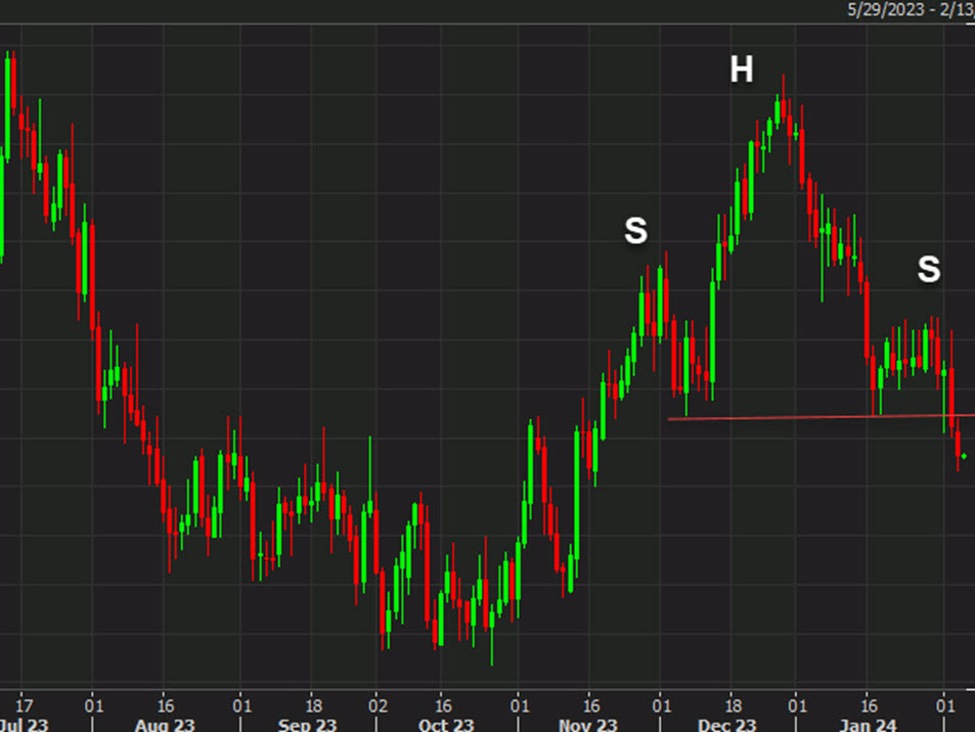
The news of the NAB switched to a hike view has lent a bid to the AUD.