NEWYou can now listen to Fox News articles!
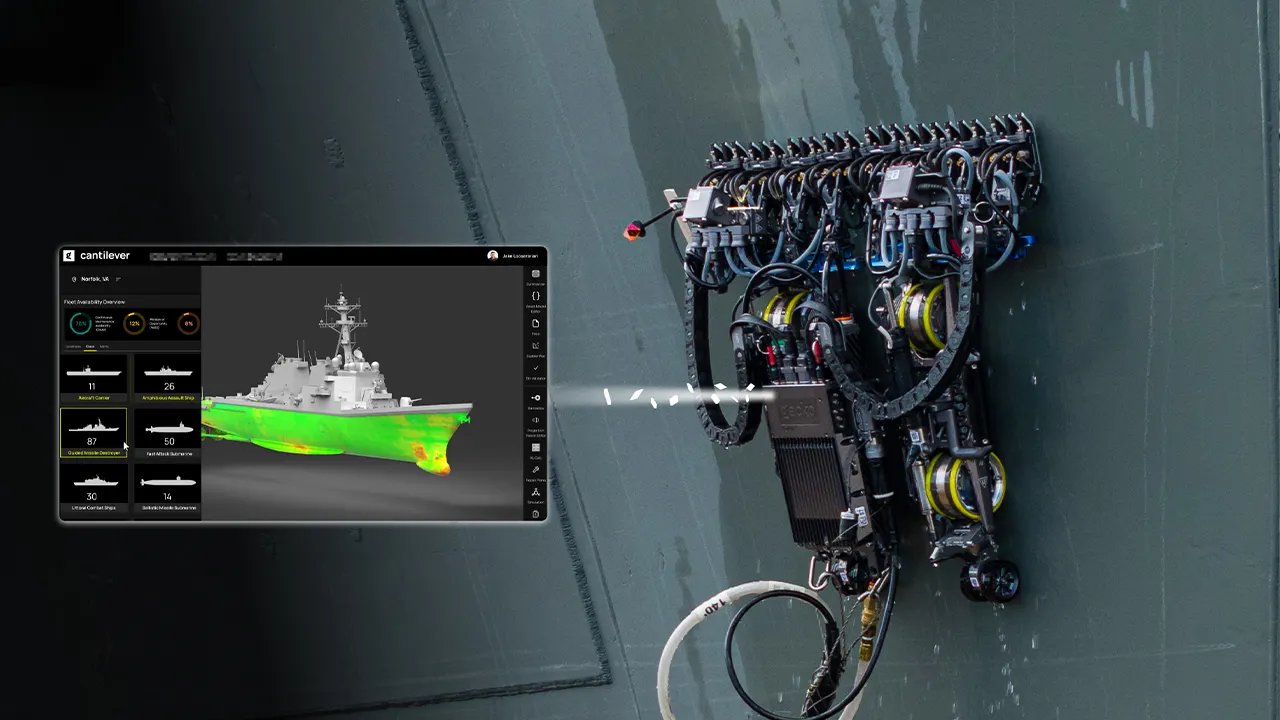
FIRST ON FOX: Swarms of wall-climbing robots will soon be crawling across U.S. Navy warships in a $71 million effort to slash repair delays and boost fleet readiness as China continues expanding its naval power.
Under the five-year contract, Gecko will begin work on 18 ships in the U.S. Pacific Fleet, with the initial award valued at up to $54 million. The contract vehicle is structured to allow other military services to access the technology as well.
The push comes at a critical moment. Only about 60% of U.S. Navy ships are operational at any given time as maintenance backlogs sideline a significant share of the fleet, according to industry estimates.
NAVY SECRETARY WARNS SHIPYARDS MUST ‘ACT LIKE WE’RE AT WAR’ AS CHINA’S AI-POWERED FLEET RACES AHEAD
Meanwhile, China now fields roughly 370 to 390 warships and submarines compared with about 300 in the U.S. Navy — and its state-backed shipbuilding industry can produce vessels at a dramatically faster pace. Some independent analyses estimate China’s shipbuilding capacity exceeds America’s by more than 200 times when measured by tonnage output.
Against that backdrop, the Navy is turning to artificial intelligence and robotics not for weapons — but for repairs.
The AI-powered machines, developed by Pittsburgh-based Gecko Robotics, scale hulls, flight decks and other hard-to-reach steel surfaces, scanning for corrosion, metal fatigue and weld defects.
Instead of relying on sailors or shipyard workers suspended on ropes or scaffolding to inspect ships point by point, the robots collect millions of data points and feed them into a digital platform designed to flag structural problems early.
“It’s no good having 300 vessels if 40% of them are in a dry dock somewhere,” Gecko Robotics CEO Jake Loosararian told Fox News Digital.
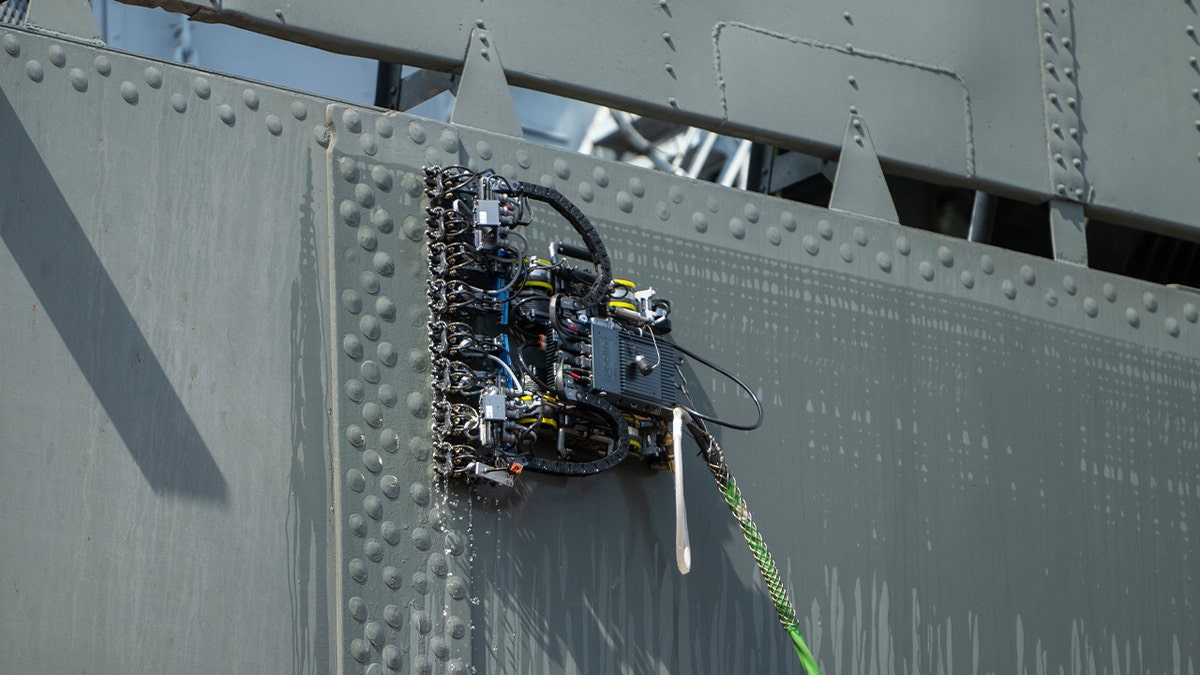
Swarms of wall-climbing robots will soon be crawling across U.S. Navy warships in a $71 million effort to slash repair delays and boost fleet readiness as China continues expanding its naval power. (Gecko Robotics )
The inspections will focus on destroyers, amphibious warships and littoral combat ships — vessels that form a core part of U.S. naval operations in the Indo-Pacific.
The chief of naval operations has set a goal of reaching 80% fleet readiness by 2027, a benchmark Navy leaders say is critical as competition with China intensifies.
Gecko says its robotic systems can identify structural issues far faster than traditional manual inspections, helping planners reduce maintenance delays and return ships to sea more quickly.
Maintenance delays have long plagued the fleet.
Ships often sit in drydock for months as unexpected structural issues are discovered after work has already begun — reducing the number of vessels available for deployment while Navy leaders push to raise readiness toward 80% in the coming years.
Compounding the problem is a shortage of trained shipyard personnel. U.S. shipbuilders have struggled to recruit and retain enough skilled welders, electricians and technicians to keep pace with demand, contributing to both construction delays and maintenance backlogs. Industry reports show many new hires leave within their first year, slowing workforce growth even as shipbuilding needs rise.
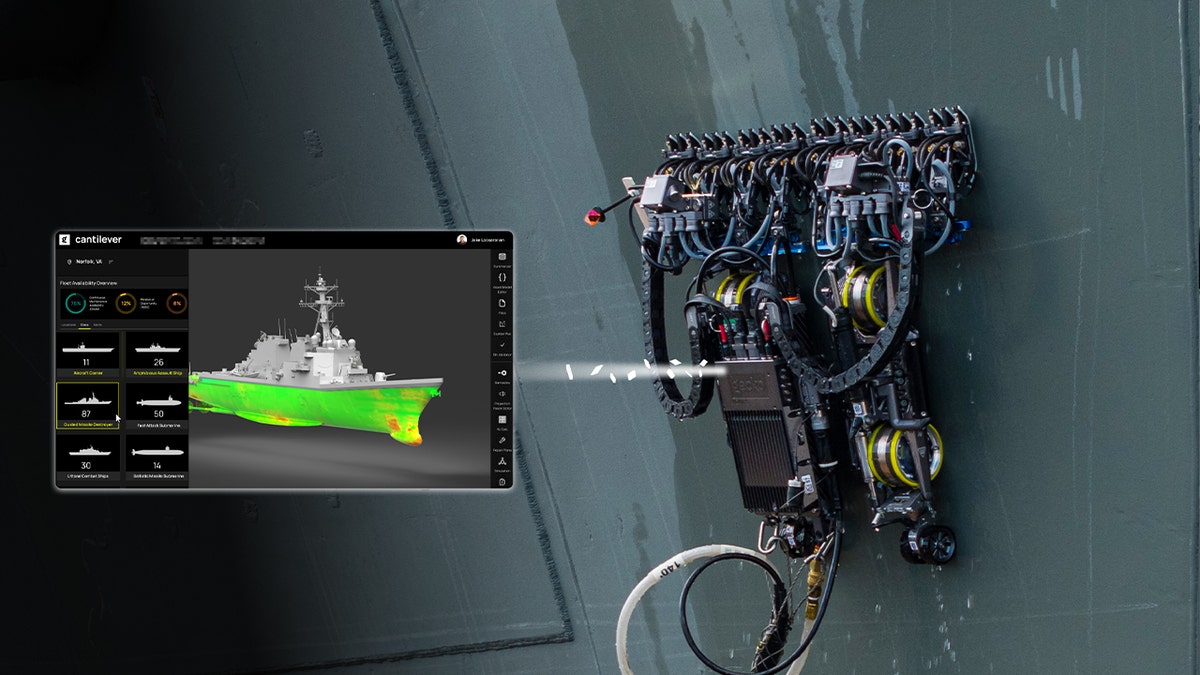
Under the five-year contract, Gecko will begin work on 18 ships in the U.S. Pacific Fleet, with the initial award valued at up to $54 million. The contract vehicle is structured to allow other military services to access the technology as well. (Gecko Robotics )
Automation and AI are increasingly viewed as part of the solution. By reducing the amount of dangerous, labor-intensive inspection work required and accelerating defect detection during both maintenance and construction, robotic systems can help yards do more with a constrained workforce.
Loosararian said the technology is designed to identify structural problems before ships enter major repair cycles, helping planners prioritize repairs and reduce delays.
“First destroyers we were on, we saved about three months worth of time to create a plan of action and execute on it,” he said. “It reduces the amounts of dangerous and hazardous work hours that humans have to have, it also increases speed.”
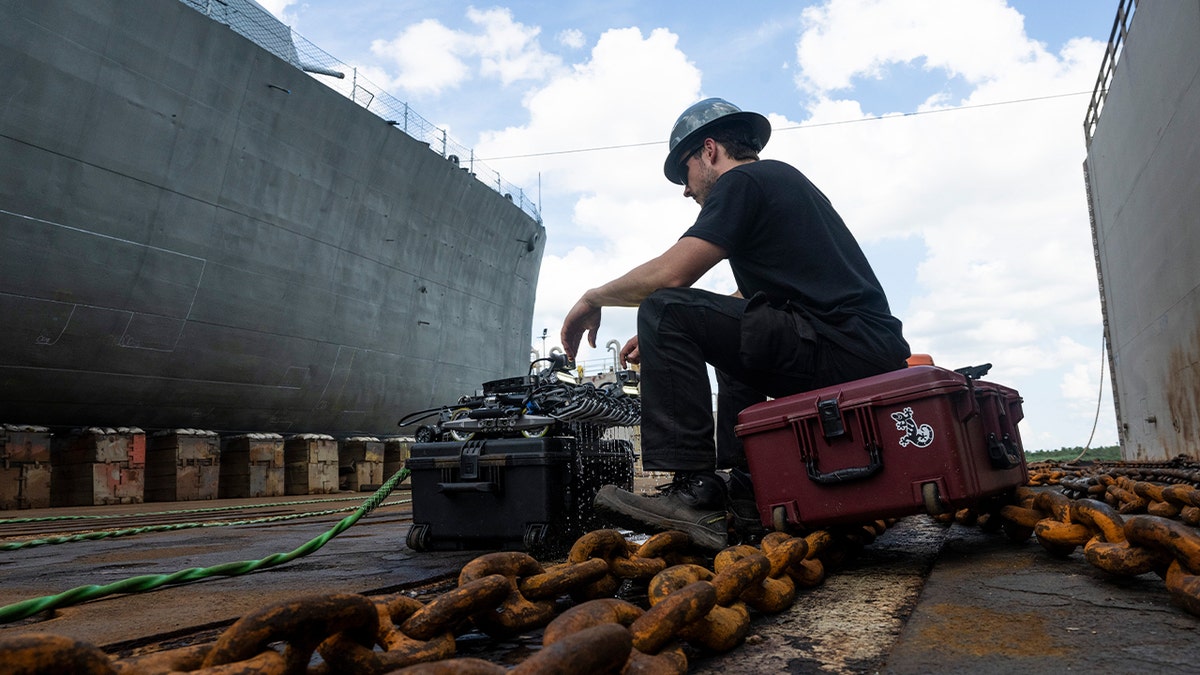
The inspections will focus on destroyers, amphibious warships and littoral combat ships — vessels that form a core part of U.S. naval operations in the Indo-Pacific. (Gecko Robotics )
The company says similar technology is being deployed during ship construction, scanning welds and structural components early in the build process to prevent costly rework later — an effort aimed at easing strain across a shipbuilding enterprise already under pressure.
CLICK HERE TO DOWNLOAD THE FOX NEWS APP
While the United States cannot easily match ChinaChina ship-for-ship in raw production speed, improving the availability of the fleet already in service may be one way to narrow the operational gap.
In an era of intensifying maritime competition, the battle may hinge not only on how many ships are built — but how many are ready to sail.