Smoking is one of the clearest public-health failures of our time. More than 500,000 Americans still die each year from smoking-related illnesses, and globally the picture is even more alarming. In the United States, anti-smoking campaigns have reduced the number of new cigarette users, but the effectiveness of these measures may be fading. Indeed, the headline of a widely-shared news story notes “Celebrities Are Making Smoking Cigarettes Cool Again”. Yikes. Meanwhile, a quick trip to Mexico, Europe, or Asia is enough to see that cigarettes remain very much in style.
Reducing cigarette use, and preventing a new generation from getting hooked on nicotine, is a noble goal. That is one reason James Monsees and Adam Bowen founded the vape company JUUL Labs, as a potentially less harmful alternative for adult smokers. But a mix of regulatory missteps by a hostile FDA and market loopholes opened the door to a wave of counterfeit and bootleg vapes, often imported from China, sold in local stores, highly addictive, and completely unregulated. Many people became sick from using vapes with unknown ingredients. Teenagers were easily able to access bootleg vapes from China in youth-friendly flavors. What began as an idealistic goal—moving adult smokers off of cigarettes—turned into a new epidemic.
Now we have two problems: cigarettes and vapes.
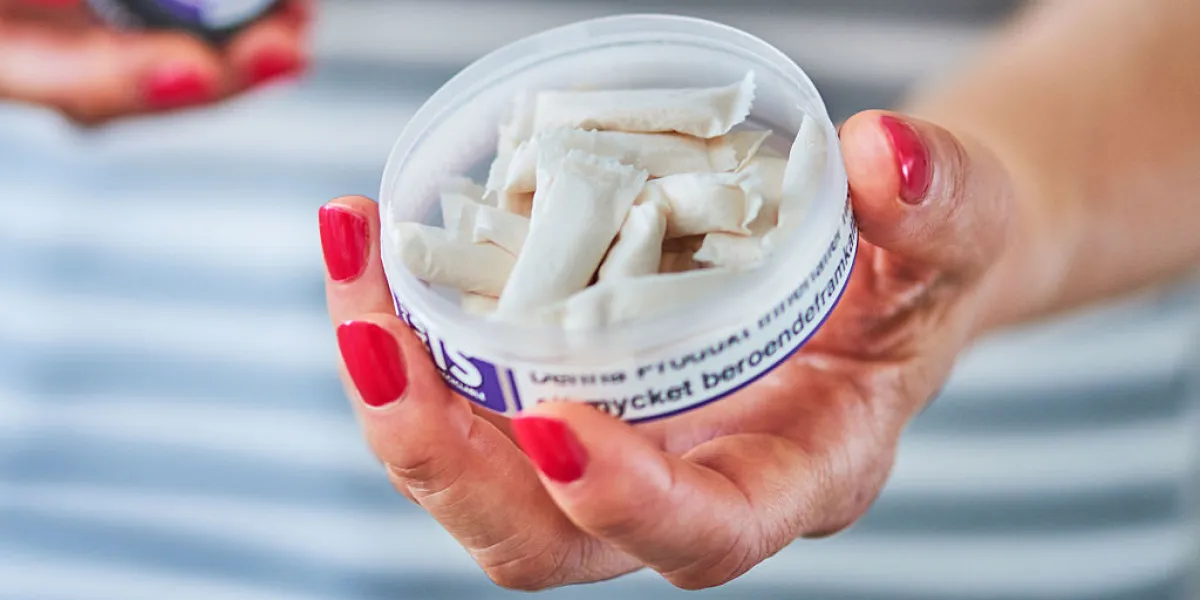
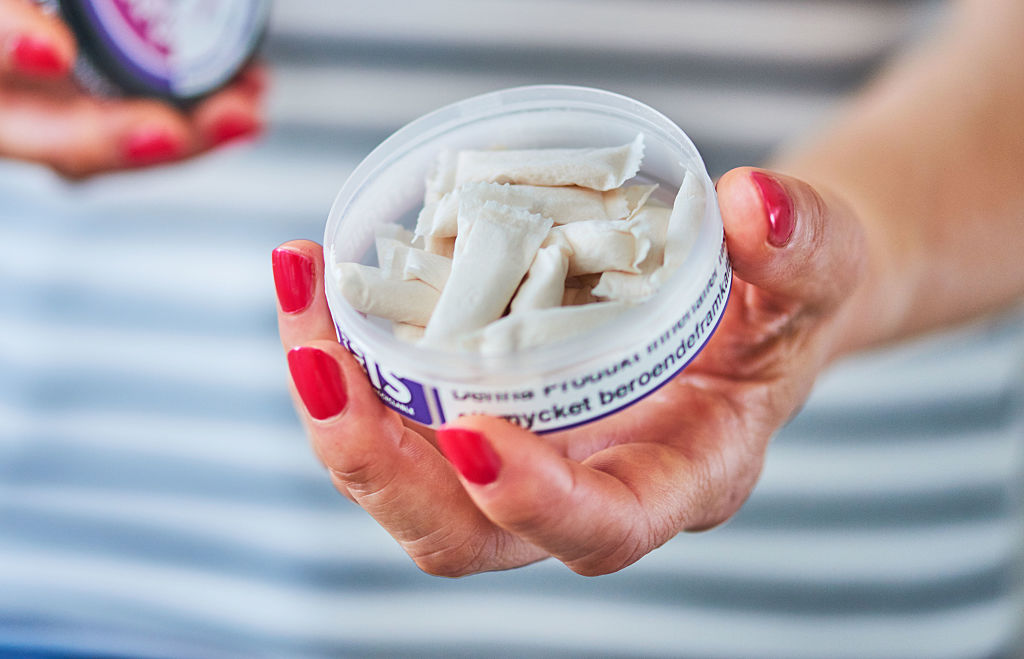
I believe science and technology can solve both. I was a tobacco user who became addicted to vaping. I tried everything to quit and cut down my nicotine use. Eventually, I discovered Swedish-style white pouches. That experience led me to create Sesh+, a premium, tobacco-free nicotine pouch made with transparent ingredients. It has been life-changing for me personally: I haven’t picked up a vape since switching to pouches. In Sweden, where oral nicotine products have been widely used for decades, smoking rates are among the lowest in Europe and smoking-related disease is correspondingly lower.
There is growing evidence that nicotine itself, while addictive, is not what primarily causes smoking-related disease; it’s the toxic byproducts of combustion that kill. With vaping, the concern is different: it’s the lack of transparency and quality standards that should alarm us. As a health-conscious consumer, I want to know exactly what I’m putting into my body. That’s why our pouches are independently lab-tested for contaminants like heavy metals and are manufactured in the United States under strict quality controls.
Fake nicotine pouches are already in the U.S. market. Sofia Hamilton writes for Reason that her favorite convenience store unknowingly sells counterfeit nicotine pouches, and how only someone deeply familiar with FDA nicotine rules could tell the difference. No one should have to be a nicotine policy expert just to know whether a product is safe.
Important questions remain. We do not want to create a product that attracts people who don’t already use nicotine. The average Sesh+ customer is over 35, and I’m very proud of that. Early data is encouraging: a recent Rutgers study found that new nicotine users taking up pouches remains very low. Government has a responsibility to keep black-market and counterfeit pouches out of consumers’ hands. Industry must ensure retailers are educated and know what they’re selling. And we need strong youth prevention laws.
Nicotine pouches will only be effective if industry and government work together to ensure we are not attracting youth or non-nicotine users.
In the U.K., the proposed Tobacco and Vapes Bill would ban people born in or after 2009 from ever purchasing nicotine products. In the United States, we have already raised the legal age to buy tobacco to 21. These are the kinds of measures our industry should support. If the legislation in the U.K. passes, I hope other countries will adopt similar policies to prevent youth from accessing nicotine products. I also hope to see product-verification technology adopted as an industry standard so counterfeit nicotine products never reach consumers. Age verification is not enough; we must ensure a market for counterfeit and bootleg nicotine pouches does not emerge.
If companies in the nicotine pouch space work together, we can learn from JUUL’s experience and avoid repeating the same mistakes. Our responsibility is clear: help adult smokers move to potentially less harmful alternatives, without creating a new generation of nicotine users. If we get this right, a world free from tobacco is not just aspirational. It’s achievable.
Max Cunningham is the CEO of Sesh+, a nicotine pouch company based in Austin, Texas and backed by 8VC. The opinions expressed in Fortune.com commentary pieces are solely the views of their authors and do not necessarily reflect the opinions and beliefs of Fortune.