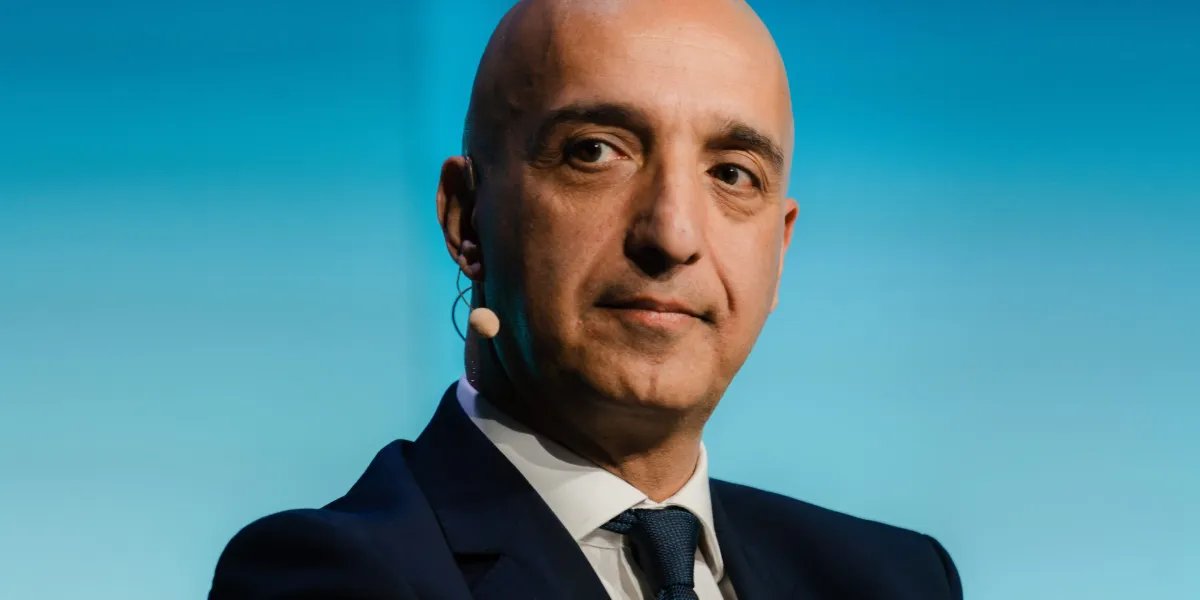
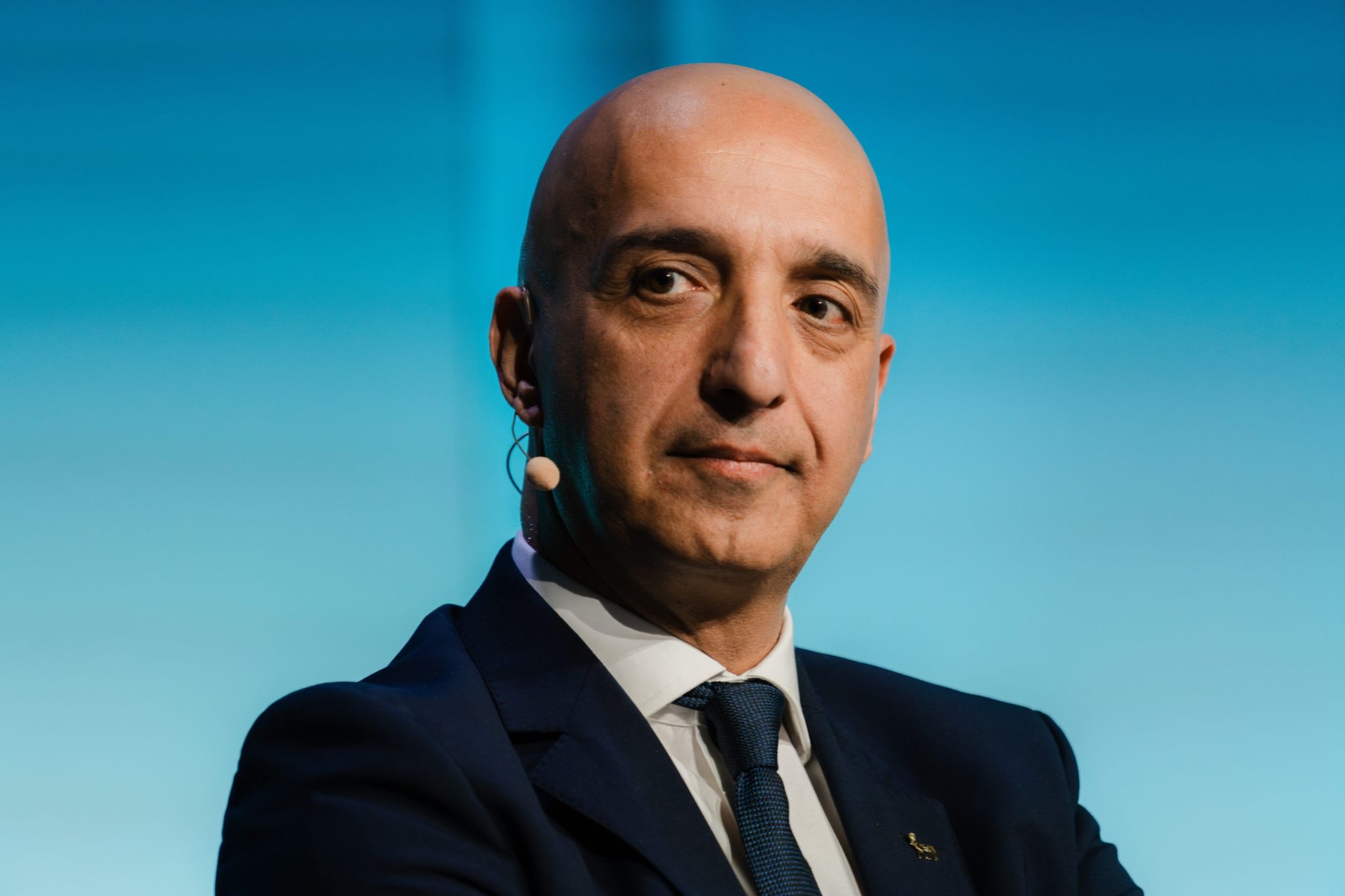
Novo Nordisk A/S Chief Executive Officer Mike Doustdar says the company’s blockbuster obesity drugs could ultimately pull it into increasingly buzzy areas of healthcare, from longevity research to aesthetic medicine.
“We have to be obsessed with what our patients want,” Doustdar said Sunday in an interview at the American Diabetes Association conference in New Orleans.
On longevity, Doustdar pointed to a growing body of research suggesting the main ingredient in Novo’s drugs Ozempic and Wegovy — semaglutide — may do more than just help patients lose weight. In some studies, Novo has said the drug protects vital organs including the heart, liver and kidneys, and that these benefits appear to emerge before patients have lost significant weight.
“If it is true that semaglutide slows down a lot of those conditions as a molecule, then maybe whether we like it or not, we are already in a bit of a longevity game,” Doustdar said. “We’re sitting in the middle of fully understanding that, and of course, exploring that.”
His comments come as the Danish drugmaker’s focus on just two core areas — obesity and diabetes — has rankled some investors who want it to branch out in the face of generic competition and as rivals like Eli Lilly & Co. grab more share of the market. Unlike Lilly, whose portfolio spans oncology to immunology and neuroscience, Novo gets more than 90% of its revenue from diabetes and obesity treatments.
Read More: Novo Says Priority Is Obesity Despite Investor Calls to Expand
Doustdar, who took on his current role nearly a year ago, said Novo is increasingly asking its scientists to look beyond weight loss and identify what other diseases future generations of GLP-1 drugs could be designed to remedy. In his view, weight reduction may eventually become “just an appendix of a different purpose.”
The CEO’s comments reflect a growing belief across the drug industry that obesity medicines could eventually be used to prevent or delay some chronic diseases associated with aging. Novo itself is beginning to generate data suggesting semaglutide may actually affect biological processes linked to aging, not just body weight.
At Novo’s annual general meeting earlier this year in Copenhagen, Chairman Lars Rebien Sorensen told reporters the company was focused on understanding its consumers and finding out “what else they need.” He cited knee pain, psoriasis and inflammation as possible areas of interest, though he stressed Novo wouldn’t necessarily enter all of those fields. Lilly has prioritized programs targeting those conditions, among others like sleep apnea.
At the ADA conference, Novo researchers presented new data showing semaglutide reduced the biological age of the heart and kidneys as measured by experimental protein-based aging clocks. The effects appeared partly independent of weight loss and were associated with lower mortality risk, though the analysis doesn’t prove the drug slows the aging process itself.
Asked whether he’d consider investing in areas such as skincare, hair loss and other appearance-related conditions that have become increasingly intertwined with the rise of weight-loss drugs, Doustdar was quick to answer: “Yes.”
Rather than citing a specific scientific breakthrough, he framed the opportunity as an extension of Novo’s longstanding strategy of responding to market needs for improved patient outcomes. The company originally expanded into obesity after observing the challenges faced by people with diabetes, he noted.
Some analysts who attended the meeting walked away with the sense that change is afoot for Novo after a difficult period. The company’s shares have fallen more than 12.7% this year through Friday’s close amid pricing pressure and increasing competition.
“With Doustdar at the helm now, we get the sense that change is a fundamental priority, pushing the company to reevaluate historical processes regardless of how established they are,” BMO Capital Markets analyst Evan Seigerman wrote in a note on Sunday.