For two months, New York City Mayor Zohran Mamdani and Gov. Kathy Hochul have been building the infrastructure FIFA wouldn’t. Mamdani negotiated 1,000 World Cup tickets at $50 each with free roundtrip transportation for working-class New Yorkers, after N.J. Transit initially priced a match-day rail ticket at $150 to get to MetLife Stadium.
The state then committed $6 million for a free watch party for 50,000 New Yorkers on Central Park’s Great Lawn, plus fan fests in all five boroughs. The city launched its most expansive ferry schedule in NYC Ferry history. All of it amounts to a publicly funded workaround for a tournament whose final tickets climbed to $32,970 on FIFA’s own portal—an event the New York and New Jersey attorneys general are now investigating for allegedly inflating prices by design.
That’s why it was so confusing for many New Yorkers when the city seemingly used the FIFA playbook.
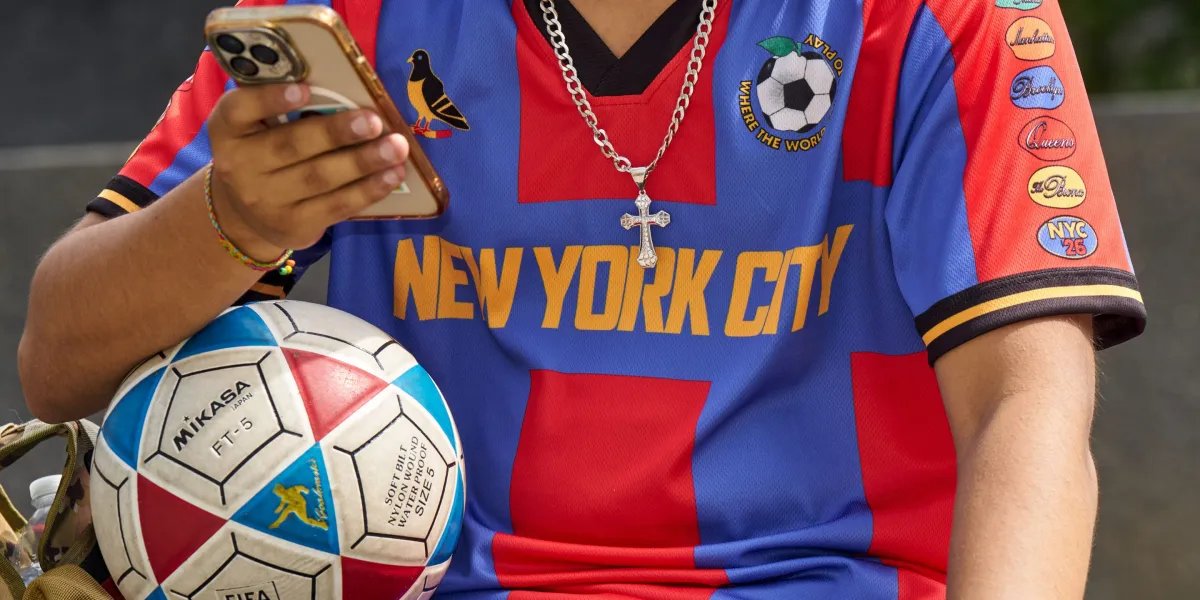
In a GQ article published on Thursday, Mamdani announced an exclusive run of New York City-inspired World Cup jerseys. There would be only 1,500 shirts available to the public, and anyone who wanted to grab one had to go in person at the city’s official CityStore when it opened at 9 a.m. on Friday morning.
Catherina Gioino for Fortune
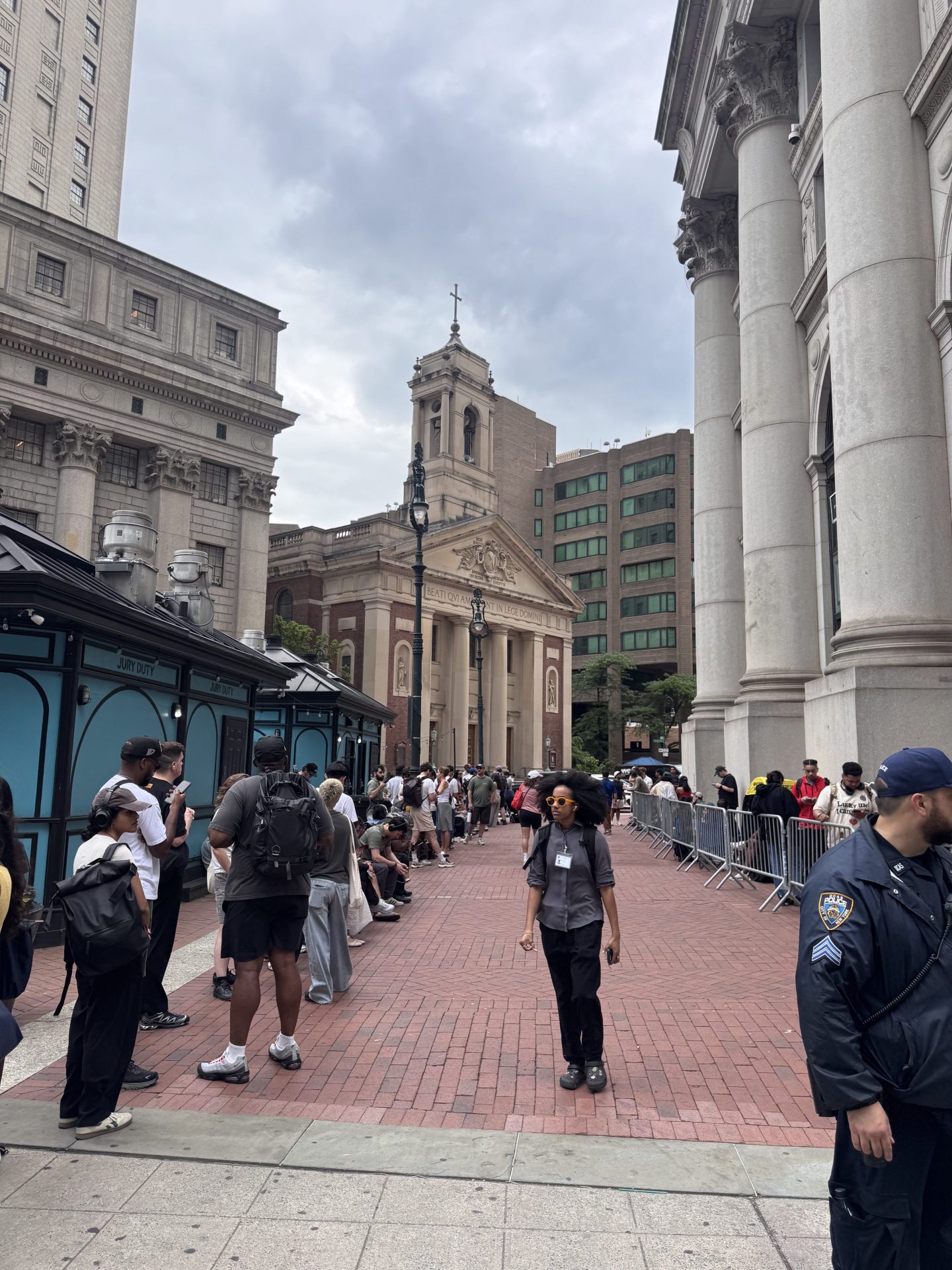
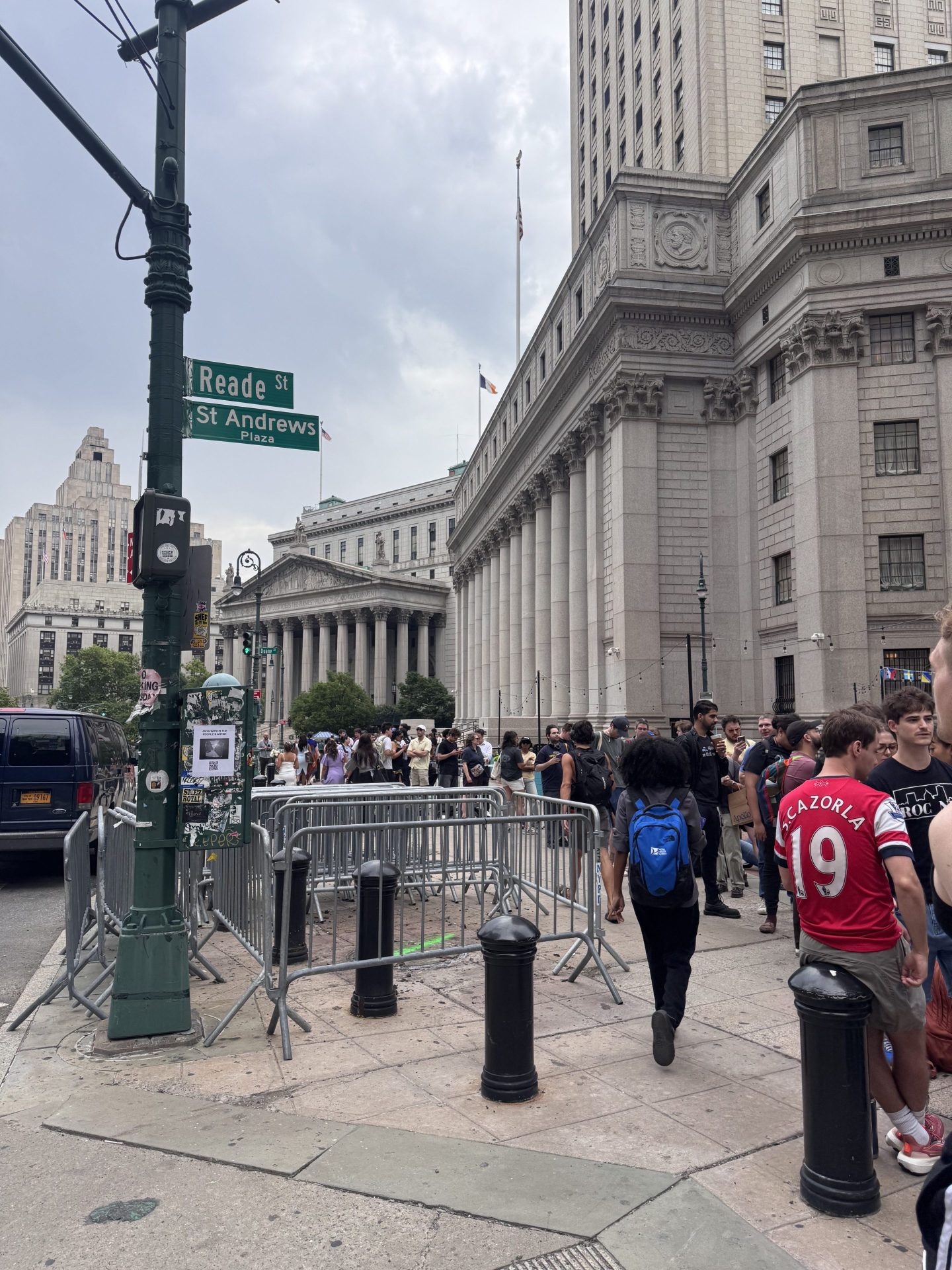
Less than 24 hours after the article went live, New Yorkers began camping outside the CityStore in the wee hours of Friday morning, according to The City Reporter‘s Katie Honan. Before the store even opened, people had formed a line that snaked around the David Dinkins building (where the CityStore is located) through a plaza behind the storied landmark, then up and around to the federal courthouse located a few blocks away. As the temperatures reached past 92 degrees and the line didn’t get any shorter, the $50 jerseys were selling on eBay for up to $1,150 a 2,000% markup.
The markup is exactly what Mamdani spent his campaign railing against. In September, the then-candidate launched his “Game Over Greed” petition with three demands of FIFA: end dynamic pricing, cap resale prices, and reserve 15% of tickets for local residents at a discount. He singled out FIFA’s own resale platform for refusing to cap secondary sales. “That means you can buy a ticket for 60 bucks and resell it for $6,000,” he said in the video announcing the petition, and warned that “the biggest sporting event in the world is happening in your backyard, and you’ll be priced out of it.”
“For far too long, FIFA has looked upon these World Cups as opportunities for profit, as opposed to opportunities to extend this to the people who make this game so special,” he said at the petition’s launch in the Bronx.
When he announced the $50 ticket lottery last month, he promised that “working people will not be priced out of the game that they helped to create.”
But on Friday, working people were priced out of the jersey commemorating it, and by a resale market the city, like FIFA, left uncapped. Fortune was on scene when a CityStore employee informed the crowd the jerseys had sold out.
The Mayor’s Office did not respond to Fortune’s request for comments. In a statement on Friday morning, the mayor said “there will be another drop” for the jerseys.
Catherina Gioino
That didn’t stop New Yorkers from complaining on social media. Many questioned why the city would limit the supply to in-person only, at a store that can handle less than a dozen people at a time. Some said they have seen better logistics from a Supreme drop, a brand notorious for the hoards of people who line up outside stores for the latest fashion item.
A resale market in the making
It’s the dynamic economists have been describing all tournament. When supply is artificially constrained and demand is enormous, the supply moves into queues and resale platforms. Wharton economist Judd Kessler calls this the hidden market: a Springsteen ticket priced at $60 gets resold at $4,000, and the difference goes to speculators who add nothing to the production.
FIFA at least built itself a cut, collecting 30% on every resale through its official exchange. The CityStore gets nothing when a jersey flips on eBay. Those who camped out and resold got the margin.
FIFA priced its tickets to extract maximum revenue from a captive market, by economists’ accounting. The city priced its jerseys at $50 precisely so regular New Yorkers could afford them, which is the same instinct behind the $50 ticket lottery and the free Great Lawn watch party.
But a below-market price on a scarce good doesn’t make the scarcity go away, it just relocates the cost into a 1 a.m. arrival time, a 92-degree wait, and a resale listing before the line even died down.