Escalating US-Iran brinkmanship over Hormuz puts oil markets on edge and risks deeper supply shocks.
Summary:
- Trump issues 48-hour ultimatum to Iran to reopen Strait of Hormuz
- Iran warns of retaliation targeting US, Israeli, and Gulf energy infrastructure
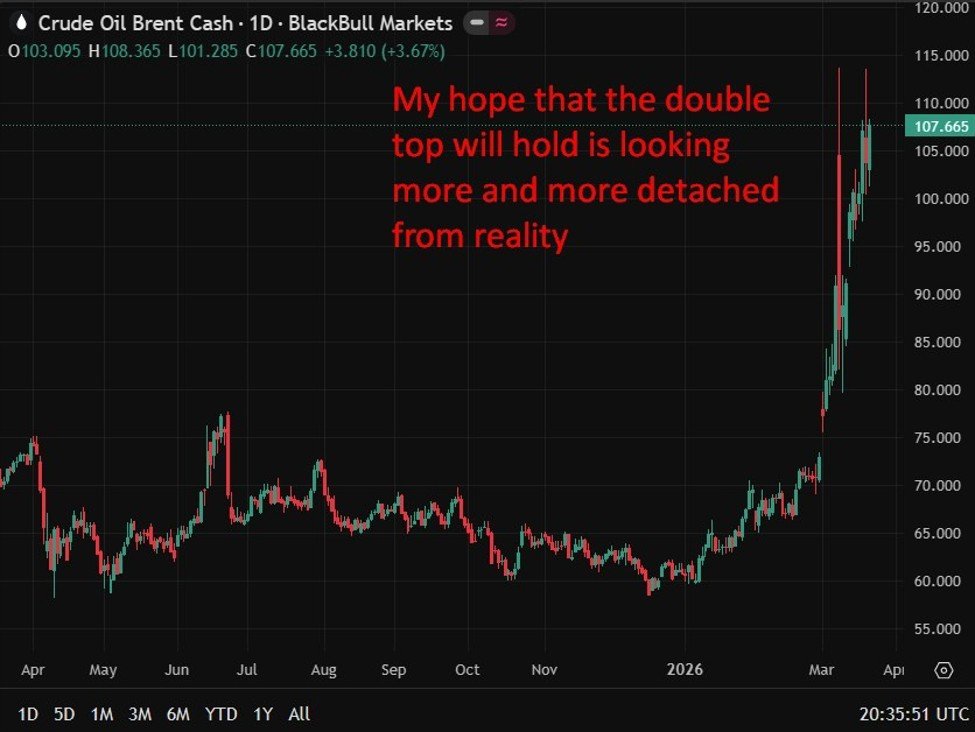
- Brent closes near four-year highs as geopolitical risk intensifies
- Analysts see rising escalation risk driving further upside in oil prices
- Hormuz disruption has already removed ~440 million barrels of supply
- Risk of strikes on desalination plants raises humanitarian concerns
- IEA warns restoring Gulf supply could take up to six months
- Reports suggest US considering blockade or seizure of Iran’s Kharg Island
Oil markets head into the new week on edge, with prices poised to extend gains after a sharp escalation in tensions between the United States and Iran centred on the Strait of Hormuz.
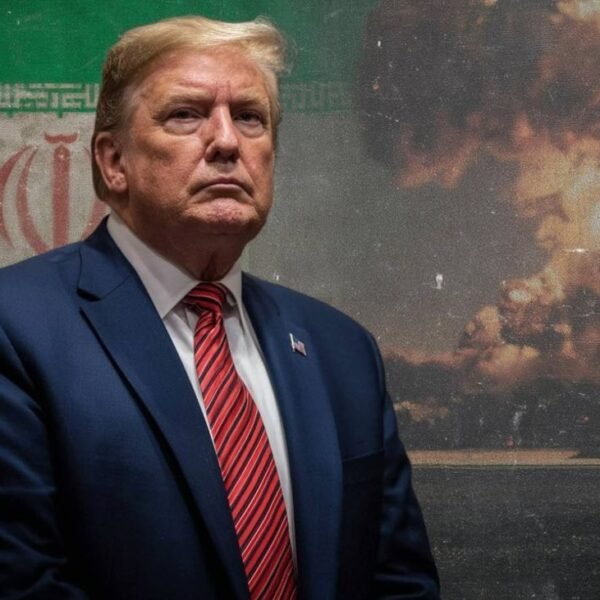
US President Donald Trump has issued a 48-hour ultimatum to Tehran, demanding the immediate reopening of the critical energy corridor or facing potential strikes on Iranian power infrastructure. The deadline is set to expire Monday evening in New York, placing markets on high alert for further developments.
Iran has responded with a stark warning, signalling that any US attack would trigger a broad retaliation campaign targeting American- and Israeli-linked energy assets across the Gulf. Officials have also indicated that the Strait of Hormuz could be shut indefinitely, raising the risk of a severe and prolonged disruption to global oil flows.
Analysts say the standoff represents a significant escalation in the conflict, with both sides appearing willing to raise the stakes rather than de-escalate. The confrontation has injected a fresh layer of geopolitical risk into energy markets, with traders bracing for further volatility as the deadline approaches.
Oil prices had already surged into the weekend, settling at its highest level since mid-2022 on Friday. Market participants are increasingly pricing in the possibility of sustained supply disruptions, particularly given the strategic importance of Hormuz, through which a significant share of global oil shipments pass.
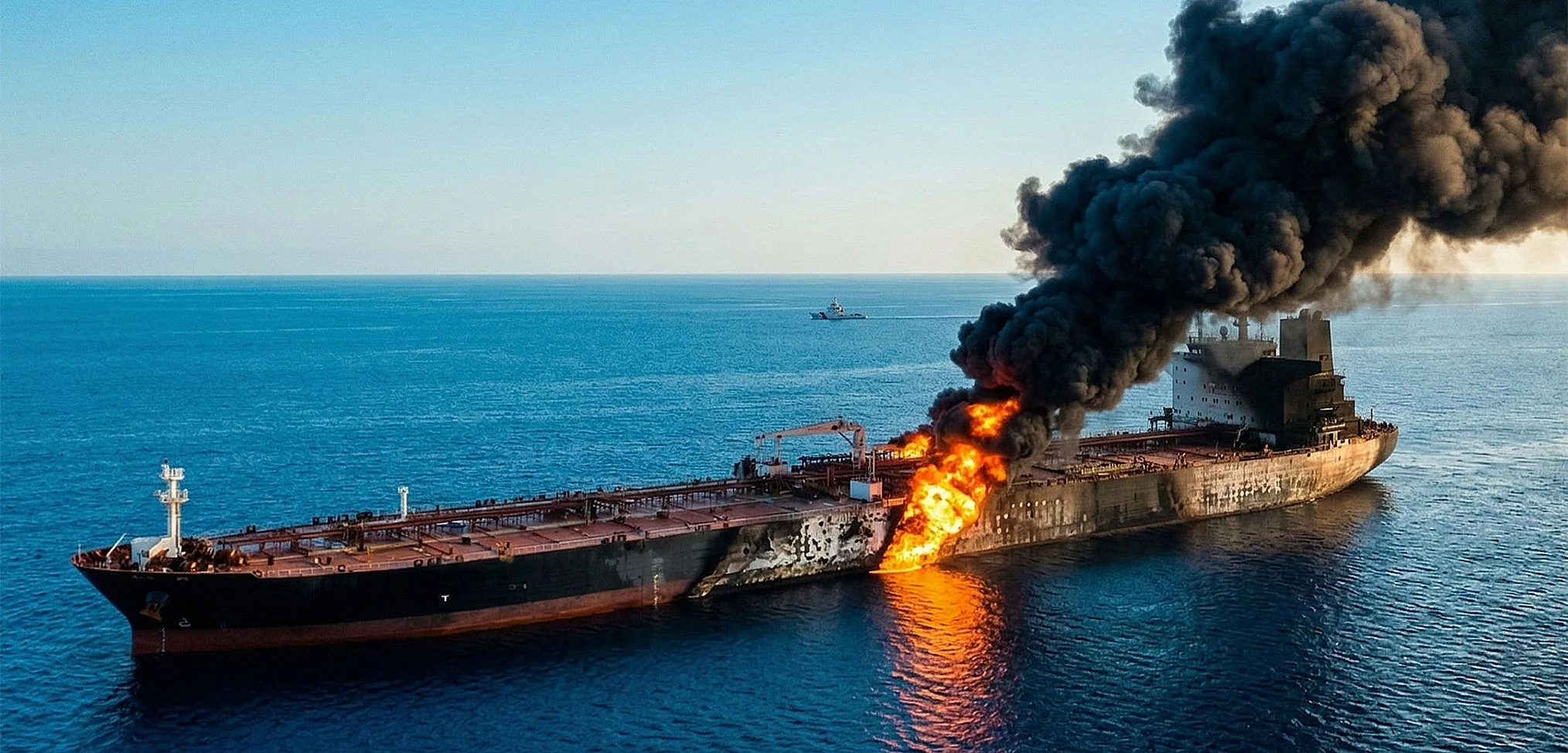
Since the conflict began, disruptions linked to the partial closure of the Strait have already removed an estimated 440 million barrels of supply from global markets. Iran has also targeted ports and refinery infrastructure across several Gulf states, though it has so far avoided strikes on major desalination facilities that supply water to millions.
Analysts warn that any damage to these facilities could trigger a humanitarian crisis, with some Gulf cities at risk of becoming uninhabitable within weeks due to water shortages and cascading power failures.
Looking ahead, the potential recovery of disrupted supply is expected to be slow. Energy officials estimate it could take up to six months to fully restore flows, even if conditions stabilise. Meanwhile, reports suggest the US is considering more aggressive measures, including a blockade or seizure of Iran’s key export hub at Kharg Island, further underscoring the risk of escalation.
–