A Bloomberg Intelligence survey (gated) of 126 energy market participants finds most expect Brent to average $81-$100 over the next year, with demand destruction seen as the primary offset to Iran war supply losses.
Summary:
Source: Bloomberg Intelligence survey, 126 respondents, energy market participants and asset managers
- A majority expect Brent to average $81 to $100 a barrel over the next 12 months
- Almost two-thirds see a lasting geopolitical risk premium of $5 to $15 a barrel persisting for years
- Demand destruction is identified as the most likely mechanism to offset supply deficits, ahead of rerouted trade flows, OPEC+ adjustments, and strategic reserve releases
- Most respondents expect global supply disruptions of 3 to 7 million barrels a day; few anticipate outages above 10 million
- Nearly half expect Hormuz flows to average 51 to 75 percent of the normal 20 million barrels a day over the next 12 months
- Call skew for WTI and Brent has narrowed to its smallest level since before the conflict began; hedge funds have cut bullish positions to similar lows
- The EIA projects US crude output will reach a record 14.1 million barrels a day in 2027
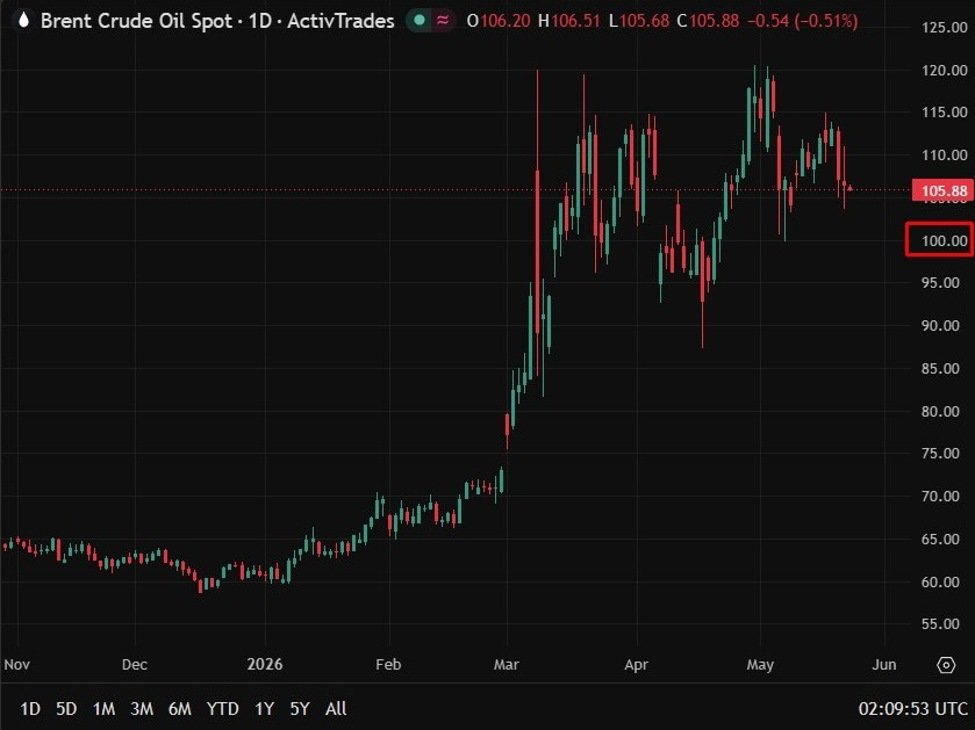
Oil traders are increasingly treating $100 a barrel as a ceiling rather than a floor, pricing the Iran war’s supply disruption as a manageable chronic condition rather than a catastrophic break in the global energy regime.
That is the central finding of a Bloomberg Intelligence survey of 126 asset managers and energy market specialists conducted this month. Most respondents expect Brent to average between $81 and $100 over the next year, with demand destruction seen as the primary mechanism that will cap prices by gradually eroding consumption enough to offset the millions of barrels of daily supply lost to the conflict. Almost two-thirds expect a geopolitical risk premium of $5 to $15 a barrel to persist for years, but few anticipate it exceeding $20.
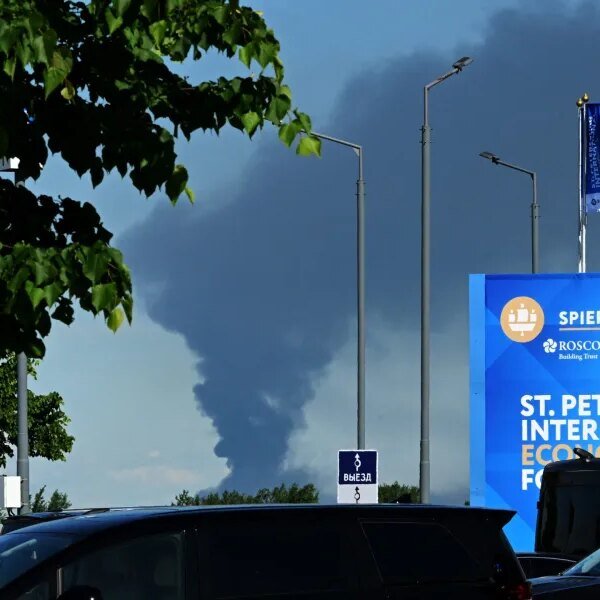
Now in its twelfth week, the war has severely constrained traffic through the Strait of Hormuz, the chokepoint for around 20 million barrels of daily flows. Nearly half of respondents expect volumes through the strait to average between 51 and 75 percent of normal over the next 12 months, restricted but not collapsed. The survey points to a market calibrating for prolonged disruption within bounds, not an open-ended shock.
Positioning data supports that reading. The call skew for WTI and Brent has narrowed to its smallest level since before the conflict began, and hedge funds have cut net bullish positions to similar lows. Traders appear more focused on managing volatility than chasing further gains.
—
The survey’s conclusions reinforce a market structure in which upside is capped by demand destruction rather than supply resolution, limiting the likelihood of a sustained break above $100. The narrowing of call skew in WTI and Brent to pre-conflict lows, alongside hedge funds cutting net long positions, suggests speculative appetite for further upside is fading even as physical tightness persists. Shale’s expected moderate output gains offer limited relief, with most respondents unconvinced that US production growth will be sufficient to rebalance the market in any meaningful timeframe.