US stocks posted back-to-back daily gains in trading yesterday for the first time since the end of February. And S&P 500 futures are looking poised again, up another 0.4% today. The better market mood yesterday came despite oil prices holding higher but today, we are starting to see a drop in oil after this headline here: Iraq, KRG agree to resume Ceyhan oil exports as Hormuz disruption tightens supply
WTI crude oil is down well over 3% on the day and the near-term chart is one to keep an eye out for:
WTI crude oil hourly chart ($/bbl)
We are starting to see WTI crude oil drop back to test its 200-hour moving average (blue line) once more. After the IEA intervention last week, that was the key near-term level that held and supported a bounce in oil prices back to $100. Now, that same level is called upon again. Break below and the near-term bias shifts to being more bearish instead. So, this is a major and important near-term level for buyers to hold.
A firmer break could reaffirm the sentiment change in broader markets as we see stocks go up and bond yields go down this week. All that being said, are markets being too complacent about the Middle East situation?
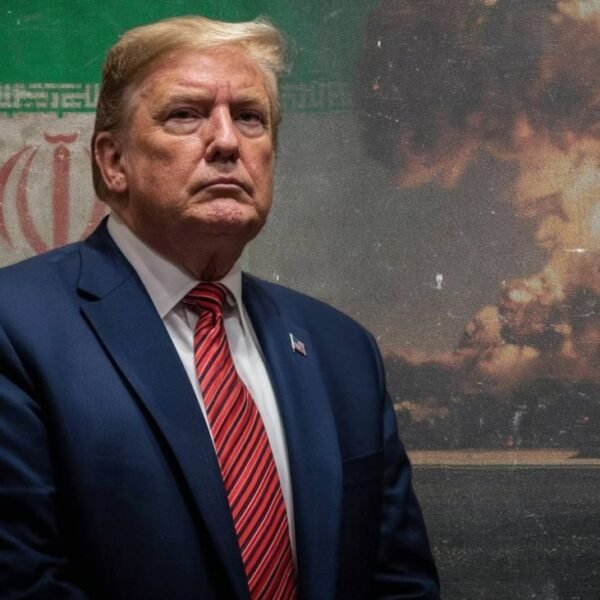
For now, it seems that traders are still betting on the conflict ending sooner rather than later. That as US president Trump continues to say that the war timeline remains on schedule and to be wrapped up “in a couple of weeks”. However, that’s not to say that the Strait of Hormuz will see an abrupt reopening and key energy facilities in the Gulf region pick up at full speed immediately. It will take more time for that, likely weeks or even months to go back to normal.
Even with the more positive headline from the reopening of the Iraq-Turkey Pipeline (ITP), that is still a mere drop in the bucket compared to any solution that is needed to lift the blockade in the Strait of Hormuz. At maximum capacity, the ITP provides a 1.2 million barrels per day cover or ~0.5% of total global supply. That is nowhere near the ~20% and almost 21 million barrels per day worth of transit via the Strait of Hormuz.
The big question now is, are market players actually underestimating the level of disruption and potential for the US-Iran conflict to drag on further? If so, that might come back to bite at the misplaced optimism we’re seeing so far this week.