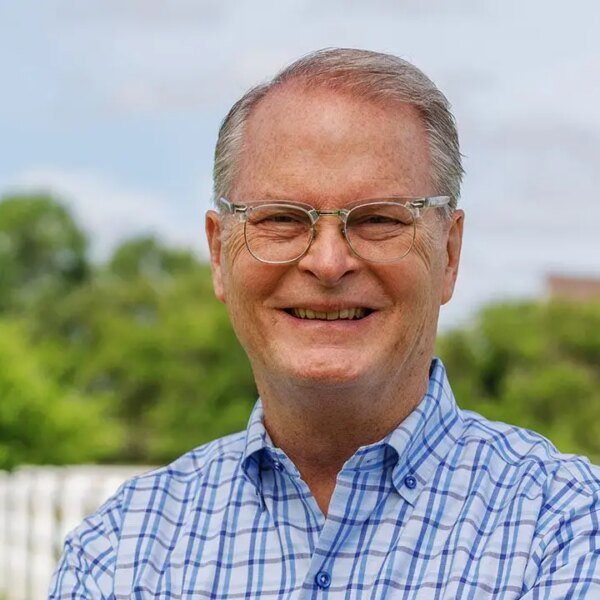
Mr. Arday was appointed in 2023, just 37 at the time. He tells a remarkable life story. Mr. Arday says he has autism, that he was nonverbal until he was 11 years old, and that he couldn’t read or write until 18. Nonetheless he claimed impressive achievements, including raising millions of dollars for charity via feats such as running 30 marathons in 35 days. At one point, he claimed that he ran 600 miles in six days.
Mr. Arday’s ascent began to stall just months into his tenure at Cambridge when, according to a detailed timeline published by the website Retraction Watch, an emeritus professor at Plymouth Marjon University named David Harris emailed Mr. Arday to ask about certain potential problems he had noticed with Mr. Arday’s research, including a 2018 paper he had published in the journal Social Sciences. (Mr. Harris has written critically about critical race theory, which informs some of Mr. Arday’s work.) Among other issues, Mr. Harris noted, Mr. Arday appeared to have lifted language from another scholar’s work. Mr. Arday, after receiving a follow-up inquiry from Mr. Harris, responded by questioning Mr. Harris’s motives and wrote that further emails from him would “be considered bullying and harassment.” (Per The Guardian, Mr. Arday later reported Mr. Harris to the police, which didn’t pursue charges.)
Mr. Harris then enlisted the aid of the sociologist Martyn Hammersley, who, according to Retraction Watch, which monitors retractions of scientific papers, emailed the plagiarism concern to Hilary Cremin, head of the faculty of education, and Rhys Morgan, the university’s head of policy, governance and integrity. According to Retraction Watch, Mr. Morgan replied that since the paper was published before Mr. Arday’s tenure, “we do not consider it within our remit to investigate.” Ms. Cremin replied that while Mr. Arday had the university’s “full support,” he had agreed “to take the article down from the journal online platform” and revise it to address concerns.
This makes little sense. Professors are hired on the basis of their prior work and an assumption of academic integrity; if that work was plagiarized it’s fair game for an investigation. Moreover, a credible allegation of plagiarism isn’t resolved by an author agreeing to take down a paper for revision; it demands a thorough independent investigation.
Instead, Social Sciences posted a correction informing readers that the article had “been amended to increase the clarity of citation sources within the text.”