Wallace-Wells: Yeah.
Bedard: Health, right? And that ——
Wallace-Wells: And so it’s your responsibility.
Bedard: And it’s individual. So if you take responsibility and you live correctly, and you do not allow yourself to ever be exposed to the toxic substances in tap water that might make you sick, etc., etc., right? If you read Casey Means’s book, which I have, it has this really wild list of things that she claims she does around her own health, and that she encourages everyone to do, around optimizing their lifestyle and their environment and their home for wellness. And it’s very, very much like, you have to do this, and if you don’t do this, then you are putting yourself at risk. And so, I do think this is all of a piece with this very lifestyle-oriented way of thinking about — it’s wellness, not health, really. And the corollary, which is like, if you get sick, maybe you were eating the wrong things, not getting enough sleep, etc., etc.
Wallace-Wells: It’s your fault.
Bedard: Yeah.
Wallace-Wells: Yeah. So we’ve been talking a lot about this phenomenon that I think is visible, to a lot of people, as a wealthy, elite enterprise. I wonder how that looks to you as a clinician; whether your patients are engaging with this kind of stuff, and to what extent we can think about it as a universal phenomenon of 2026, or something that is just happening over in Silicon Valley that we can treat with the skepticism that we treat a lot of stuff coming out of there.
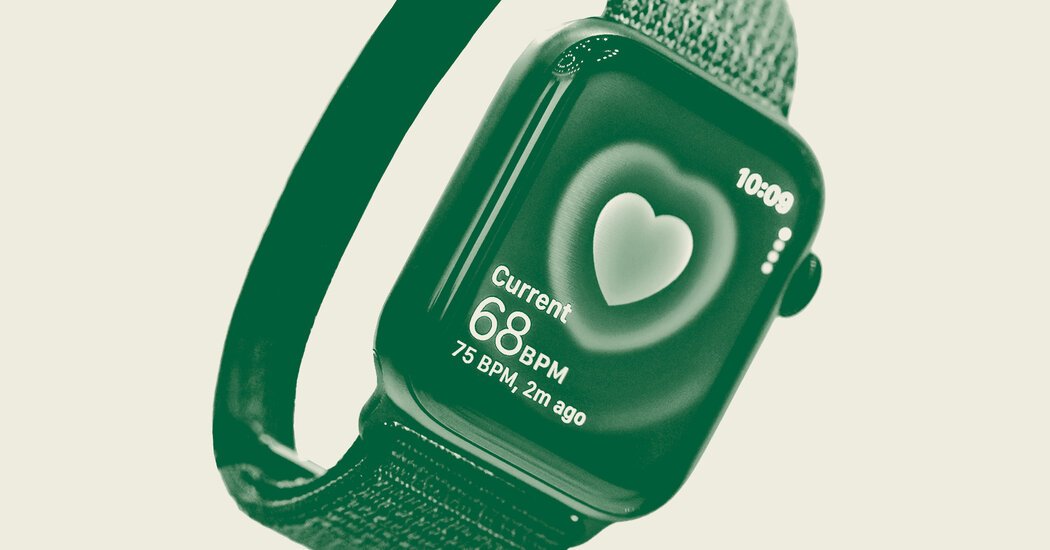
Bedard: So I think we know from that 40 percent statistic — it’s escaped containment, right? Like, this isn’t Bryan Johnson testing the composition of his tears or whatever. Many, many Americans are wearing some kind of tracking device. My particular patients are not, however.
I work in a homeless clinic, and my patients cannot afford this kind of device right now. Secretary Robert F. Kennedy has said that wearables are something that he thinks are really important, and that, I think, he and Dr. Mehmet Oz have worked toward Medicare plans and things being able to cover them. So they absolutely may become more accessible with even public insurance in the next couple of years.
But for my patient population, the challenges to their health and their lifestyle are not things that are going to be responsive to knowing a ton more about what this data says, right? They’re living in circumstances where things are so out of their control that this is not useful to them. And I think that that’s an important point, which is that for the data to become meaningful, you have to have a high degree of control, both interest ——