There’s an ongoing arms race to protect identities and privacy in the age of facial recognition, biometric scanning and data collection. Now, some of those concerns are coming from the influx of wearables, namely, smart glasses, and how to go about protecting oneself from being filmed in public. Some joke about singing Disney songs, others use software, and some have even resorted to physical tricks.
And the concern is warranted: Meta’s Ray-Ban Meta Glasses, for example, have been coined “pervert glasses” for recording people undressing, and the company is even being sued after a study revealed Meta’s subcontractors are viewing your most intimate moments. This is all culminating into a real privacy concern as not only is your right to privacy (or lack thereof) in the public realm coming into question, but so is how to stop what you do in public from getting stored on a company’s servers.
“We are living in weird times,” Jim Waldo, a professor of computer science who teaches several technological privacy courses at Harvard, told Fortune. “The technology is changing. It’s the combination of the Meta Glasses with facial recognition, AI, and a number of other sorts of technologies that are all coming together and putting us in an environment that we just aren’t prepared to deal with yet.”
The privacy concerns are real—from the suit to data collection, and even the social media content made with the tech has left people chalking up Meta Glasses as a form of surveillance. Even Meta’s Instagram has had to act: the platform disabled several accounts thanks to violations of content usage after those accounts amassed millions of followers by streaming live feeds from Meta glasses.
“We don’t want harassing content on our platforms and take it down when we find it,” a spokesperson for Instagram told Fortune.
A new era of wearable technology
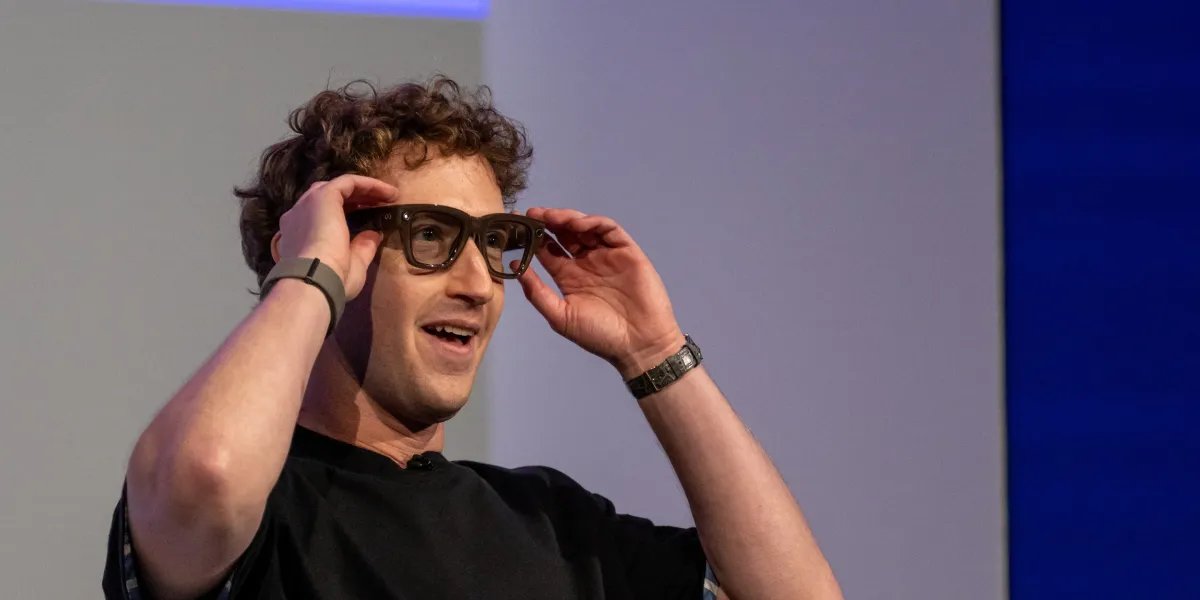
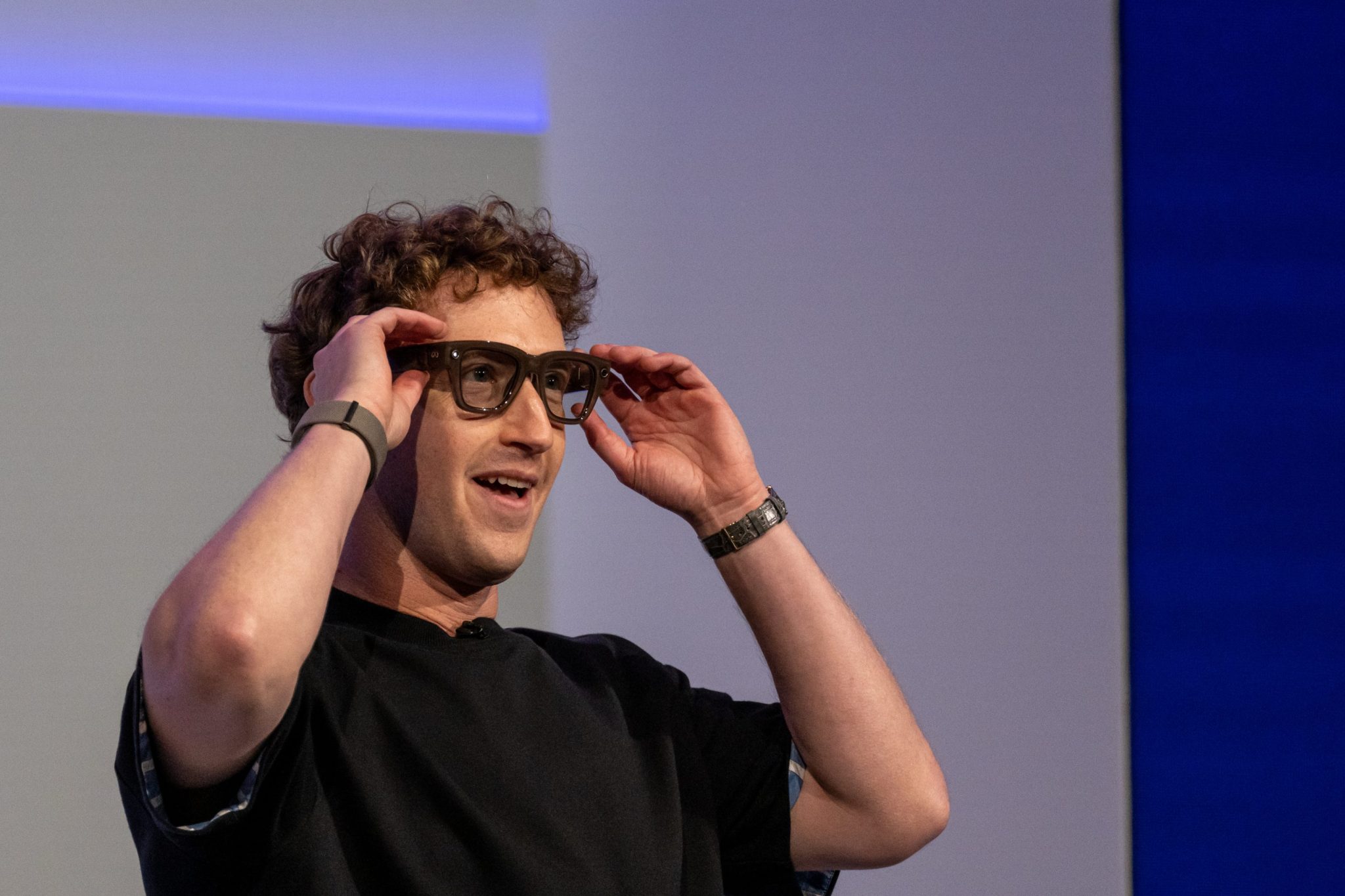
Gone are the days of “dumb” smart wear. No longer are wearables contained to just your fitness trackers or your sleep monitors, they now have cameras with AI built in them. Most prominently in this space are Meta’s Ray-Ban Meta Glasses, which have cameras built directly into the frames, allowing users to take photos and videos without pulling out a phone. The glasses also have microphones that capture audio, and Meta has enabled livestreaming directly from the glasses to Facebook and Instagram.
There’s a way to tell if you’re being recorded: the glasses use a white capture LED on the front of the frames that blinks when content is being captured. Meta says the LED cannot be switched off and that the camera is disabled if the LED is covered or blocked.
“We will keep strengthening our protections as our glasses become even more capable,” Meta spokesperson Dina El-Kassaby told Fortune.
But experts are still concerned about the privacy implications of wearable technology. “They’re making it safe for the consumer,” Waldo said. “They’re not making it safe for the people around the consumer.”
There are also legal implications for the use of these smart glasses in public. Gene Kang, partner at law firm Rivkin Radler LLP, told Fortune the technology itself is not necessarily the problem, but that people don’t know they could be filmed.
“If you’re holding up your phone to somebody’s face, they’re going to know,” Kang said. In that situation, he explained, there could potentially be an argument for implied consent if the person knows they’re being recorded and does nothing to object. With the inconspicuous glasses, however, that assumption becomes much harder to make—meaning privacy and consent laws can potentially be invoked.
“If they’re not aware that they’re being recorded, then I think that presents a different issue,” he added. “I think they would potentially have a claim there.”
Discreet recordings, “Pick-up artistry” and data sensitivity
According to a study done by University of Sydney researchers, “pick-up artistry” content has picked up in recent years. This type of content, spread around social media and mainly perpetrated by individuals in the “pick-up artist” community, attracts viewers who wish to watch point-of-view reels of women being approached in public.
The study found 60% of over 350 videos analyzed involved behavior classified as potentially harassing. In 43% of the videos, women were subjected to derogatory commentary, and other subjects were identified or doxxed. The study focuses on what the researchers defined as “ambient capture”—recording people in their everyday surroundings without them realizing that a camera was pointed at them.
The researchers found a relationship between the apparent covertness of the recording devices and the severity of the harassment. “We should all be very concerned,” Dr. Milica Stilinovic, one of the study’s authors, told Fortune.
Fighting back
The harmful content perpetrated online echoed concerns among consumers, leading them to find avenues to protect themselves. People have started to use face markings to confuse the facial recognition system within the glasses, and a theory has circulated online to sing copyrighted songs when under suspicion of being recorded.
Some individuals have even developed software to help notify users for potential smart glass intrusion. Professor. Dr. Yves Jeanrenaud built an open-source, free software app Nearby Glasses, allowing users—as the name suggests—to be notified when Meta Glasses are nearby. According to its open-source repository, Jeanrenaud developed the app in response to “an intolerable intrusion, consent neglecting, horrible piece of tech that is already used for making various and tons of equally truely disgusting ‘content’.”
According to the Google Play store, the app has amassed over 100,000 downloads to date.
And while the app was made to help users stay aware of potential discreet filming, Professor Jeanrenaud included a disclaimer on the use of his technology.
“It’s still an imperfect approach and probably always will be,” he wrote. “It’s not all good only because this app exists now. We need better solutions to curb surveillance tech and privacy intrusion.”
Not all of the methods are feasible, however. A recent social media theory has circulated citing Disney songs can protect you from being filmed. The idea is that Disney’s notorious copyright strikes would be enough to get any unsolicited videos taken down across social media. But according to Kang, hiding behind copyright isn’t an effective way to protect yourself from discreet filming.
“If you’re the person being recorded, you don’t own any copyright to the composition,” he explained. However, while he did add that copyright may not be an effective claim, he also said individuals who want to protect themselves should look into privacy claims instead.
“It’s really a privacy issue,” he said. “Which still could be applicable here.”