NEWYou can now listen to Fox News articles!
You book a flight. You reschedule. Then you try to handle travel insurance quickly so you can move on with your day. That’s exactly what happened to Rosette. She was trying to reach Allianz, a large travel insurance company that many airlines direct customers to after booking.
Within seconds, she was talking to a scammer who sounded completely legitimate. Here’s how she described it:
“I Googled Allianz and clicked on the phone number. It was answered within 1 second… It was NOT Allianz I was speaking to. They have my Citicard number and my date of birth… When I questioned it, he said ‘I will not charge your card’ and disconnected.”
That realization hits hard. Suddenly, you start replaying everything in your head. Maybe you thought you knew what to look for. Still, the frustration sets in fast. Here’s the truth. This happens every day to smart, careful people. And the scams keep getting more convincing.
TECH GIANTS UNITE TO FIGHT ONLINE SCAMS

Fake phone numbers in search results are fueling a surge in travel insurance scams targeting unsuspecting callers. (Yuliya Taba/Getty Images)
Sign up for my FREE CyberGuy Report
- Get my best tech tips, urgent security alerts and exclusive deals delivered straight to your inbox.
- For simple, real-world ways to spot scams early and stay protected, visit CyberGuy.com – trusted by millions who watch CyberGuy on TV daily.
- Plus, you’ll get instant access to my Ultimate Scam Survival Guide free when you join.
How this fake travel insurance phone scam works
This is known as a search result scam, and it is one of the fastest-growing fraud tactics right now.
Here’s the typical playbook:
- You search for a company like a travel insurance provider, airline or your bank
- A fake phone number appears at the top of the results or in an ad
- You call and reach a professional-sounding call center
- The scammer acts helpful, fast and confident
- They ask for payment details or personal information
In Rosette’s case, there were several clear signs once you step back:
- The call was answered instantly
- The pricing felt unusually high
- The email came from a fake domain
- The agent pushed for authorization
Once she questioned it, the scammer disconnected. That’s classic behavior.
Why this phone scam is so easy to fall for
This is not sloppy fraud. It’s polished, fast and designed to catch you when you are distracted. Here’s why it works so well:
1) You trust search results
Most people assume search results are safe. Scammers exploit that trust with fake listings and ads.
2) Timing creates pressure
You are often dealing with travel changes, delays or deadlines. That lowers your guard.
3) They sound legitimate
These are not obvious scammers. Many operate scripted call centers with trained agents.
4) They move fast
Answering within seconds creates the illusion that you reached the right company.
SSA IMPERSONATION SCAMS ARE GETTING MORE PERSONAL

A quick Google search led one woman to a convincing scam call center posing as a legitimate insurer. (golibo/Getty Images)
What information did the scammer actually get?
In Rosette’s situation, the scammer obtained:
- Credit card number
- Date of birth
That combination matters. Even without an immediate charge, scammers often:
- Test small transactions later
- Attempt identity-based fraud
- Sell your data to other criminals
This is why you should treat it as a compromised card situation, even if nothing has been charged yet.
What this means to you
This type of scam does not rely on hacking your device. It relies on tricking you into calling the wrong number. That means anyone can fall for it.
You could be booking travel, fixing a billing issue or calling tech support. One wrong click puts you in direct contact with a scammer who already sounds like the real company.
The danger is not just the initial call. It is what happens next if your information is reused or shared.
How to protect yourself from fake phone scams
Here’s how to protect yourself from this exact scenario moving forward:
1) Never trust phone numbers from search results
Always go directly to the company’s official website and find the contact page there.
2) Use the number on your card or confirmation email
These are far more reliable than anything you find through a quick search.
3) Watch for instant answers and pressure
Real companies rarely answer instantly and push for immediate payment details.
WHY THAT $4 CHARGE ON YOUR STATEMENT COULD BE FRAUD

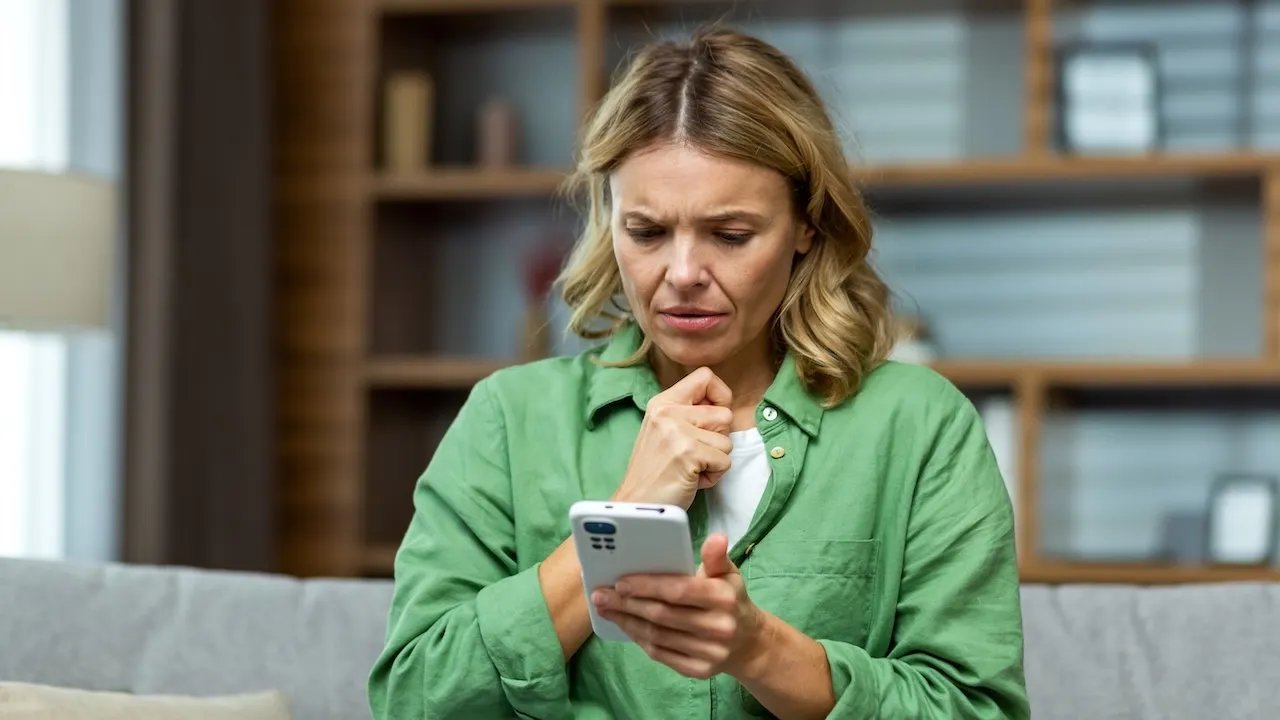
A traveler searching for Allianz support reached a scammer instead, exposing personal and financial information in seconds. (fizkes/Getty Images)
4) Check the email domain carefully
If it does not match the official company domain, it is a red flag.
5) Replace compromised cards immediately
Do not wait for fraud to appear. Request a new card number right away.
6) Turn on real-time alerts
Enable transaction alerts so you can catch suspicious activity early.
7) Freeze your credit if personal data is exposed
This adds a strong layer of protection against identity theft.
8) Consider identity theft protection
If your personal information was exposed, identity theft protection can monitor your identity, alert you to suspicious activity and help you respond quickly if something goes wrong. See my tips and best picks on Best Identity Theft Protection at Cyberguy.com.
9) Remove your personal data from public databases
Data broker sites collect and sell your personal details. Removing your information reduces the chances scammers can find and target you again. Check out my top picks for data removal services and get a free scan to find out if your personal information is already out on the web by visiting Cyberguy.com.
What Rosette did right
It’s important to call this out because it matters.
- She questioned the pricing
- She challenged the caller
- She stopped before a charge went through
- She contacted her bank quickly
Those steps significantly reduced the damage. This could have gone much further.
Kurt’s key takeaways
Scams like this are not about being careless. They are about being human. You were trying to solve a problem quickly. The scammer was ready for that exact moment. The biggest takeaway is simple. Slow down when money or personal information is involved. Even a few extra seconds to verify a phone number can make all the difference. And if something feels off, trust that instinct.
If you needed to call your bank or airline right now, would you trust the first number you see online? Let us know by writing to us at Cyberguy.com.
CLICK HERE TO DOWNLOAD THE FOX NEWS APP
Sign up for my FREE CyberGuy Report
- Get my best tech tips, urgent security alerts and exclusive deals delivered straight to your inbox.
- For simple, real-world ways to spot scams early and stay protected, visit CyberGuy.com – trusted by millions who watch CyberGuy on TV daily.
- Plus, you’ll get instant access to my Ultimate Scam Survival Guide free when you join.
Copyright 2026 CyberGuy.com. All rights reserved.