It can be difficult to stay positive in the wake of a major work transition, leaving a job that has defined a career for years. Stephen Colbert, the longtime host of The Late Show with Stephen Colbert, is wrapping up his 11-year run this Thursday—and his handling of the departure is inspiring CNN analyst Brian Stelter, who calls him a leader and professional.
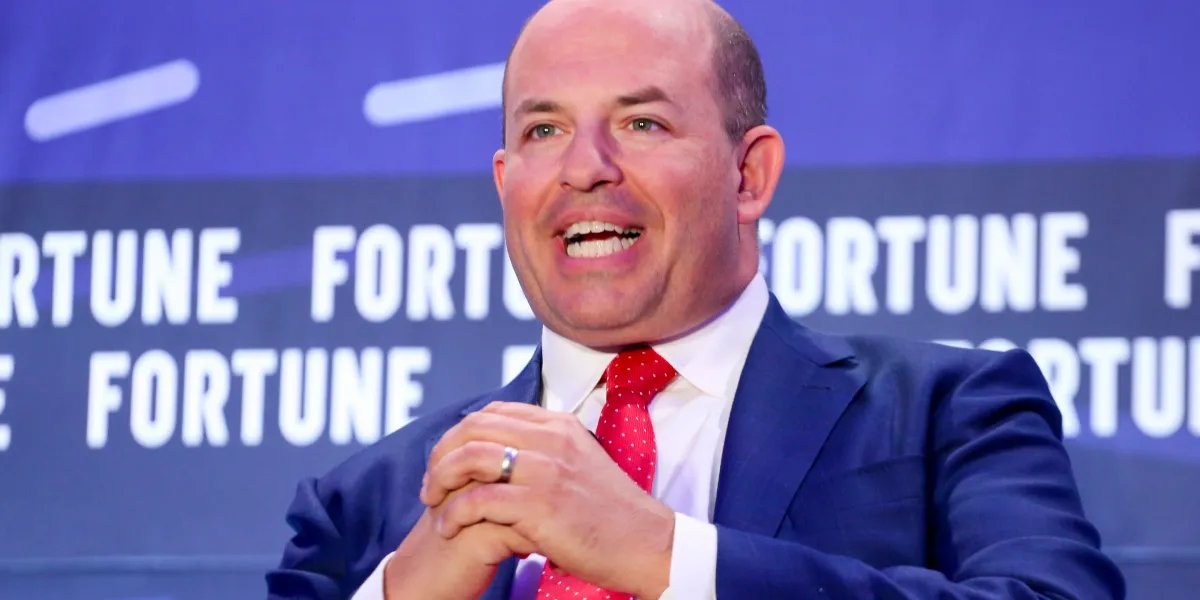
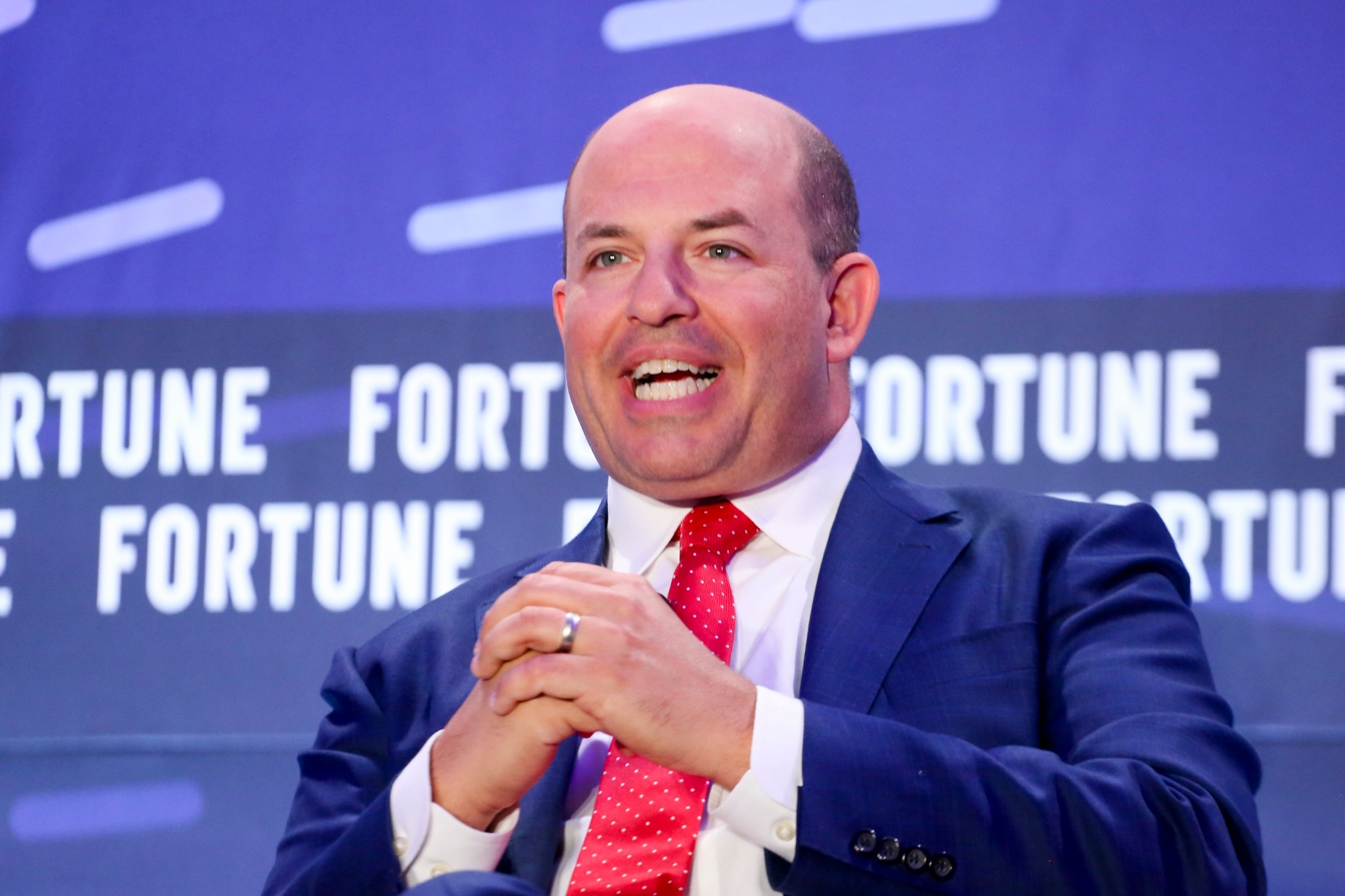
“He’s been choosing to be so positive, he’s radiated gratitude,” Stelter recently said in a panel at Fortune’s Workplace Innovation Summit with editor Indrani Sen, adding that Colbert has operated under the mindset that “‘I’d rather be grateful for the time I had on air than be angry that it’s ending.’”
Colbert took over The Late Show in September 2015, replacing David Letterman, who had hosted the CBS franchise for 22 years, and has anchored the 11:35 p.m. slot ever since. Over more than a decade behind the desk, he became the No. 1 host at 11:30 p.m. for nine straight years, and his run was capped by a long-elusive industry honor: in September 2025, The Late Show won its first Emmy for Outstanding Talk Series, beating Jimmy Kimmel Live! and The Daily Show—the first broadcast late-night show to win the category since it was created in 2015.
The victory came after CBS announced in July 2025 that the 2025–26 season would be the last for The Late Show—not just with Colbert as host, but for the franchise altogether—with the network citing financial pressures amid a broader collapse in late-night ad revenue. Colbert’s final episode is scheduled to air Thursday, May 21, 2026, at 11:35 p.m., closing out an 11-season run.
Stelter, whose book Top of the Morning inspired the hit Apple series The Morning Show, has first-hand knowledge of how emotions can run high in the workplace. And the analyst and TV producer admires just how well Colbert was able to take his show’s disillusion on the chin, despite the tensions surrounding it.
Stelter says that the entertainment icon likely believes that he’s the “victim of a political hit” and that there are other issues behind the scenes; the late-night show’s network, CBS, said the cancellation was “purely a financial decision,” just as parent company Paramount was seeking the Trump administration’s approval for its multibillion-dollar merger with Skydance.
However, Stelter notes that Colbert still approached his departure with grace, showing his appreciation for leading the show for 11 seasons. It’s a leadership lesson the CNN analyst is emulating in his own career and bringing back to his workplaces across news and entertainment.
“I really admire that, and I found myself wanting to lift that up in my reports, because we need those kinds of role models,” The Morning Show producer continued. “You need role models in every phase of your career, phases of your life, about how to go about living a certain way.
“I’m thinking about Colbert as exactly what you want to be, as opposed to…people who are fearful, who are acting out of fear, who are acting out of self-protection.”