Three weeks into the Iran war, small businesses are starting to feel the pressure of the conflict, and experts say the worst may still be yet to come.
Following the initial strikes on Iran in late February, U.S. businesses have been directly affected by the war in the form of shipping disruptions and skyrocketing oil prices, which have led to higher gas prices.
These obstacles come as small businesses have over the past year dealt with the whipsaw of President Trump’s tariff policies. Sweeping tariffs on goods from China, Canada, Mexico, and the European Union, among others, have driven up input costs and squeezed profit margins for small business owners who often lack the purchasing power and legal resources of large corporations.
Unlike larger corporations who, at least in the short term, can absorb higher costs and shipping upheaval caused by the Iran war, smaller businesses are especially at risk, said Brett Massimino, an associate professor at Virginia Commonwealth University’s business school and chair of the department of supply chain management and analytics.
“Small businesses, they don’t have the margins or the reserves to really absorb those kinds of cost increases,” he told Fortune. “They’re faced with a dilemma of, do they try to expedite some of the shipments that might be delayed right now, or do they deal with the shortages.”
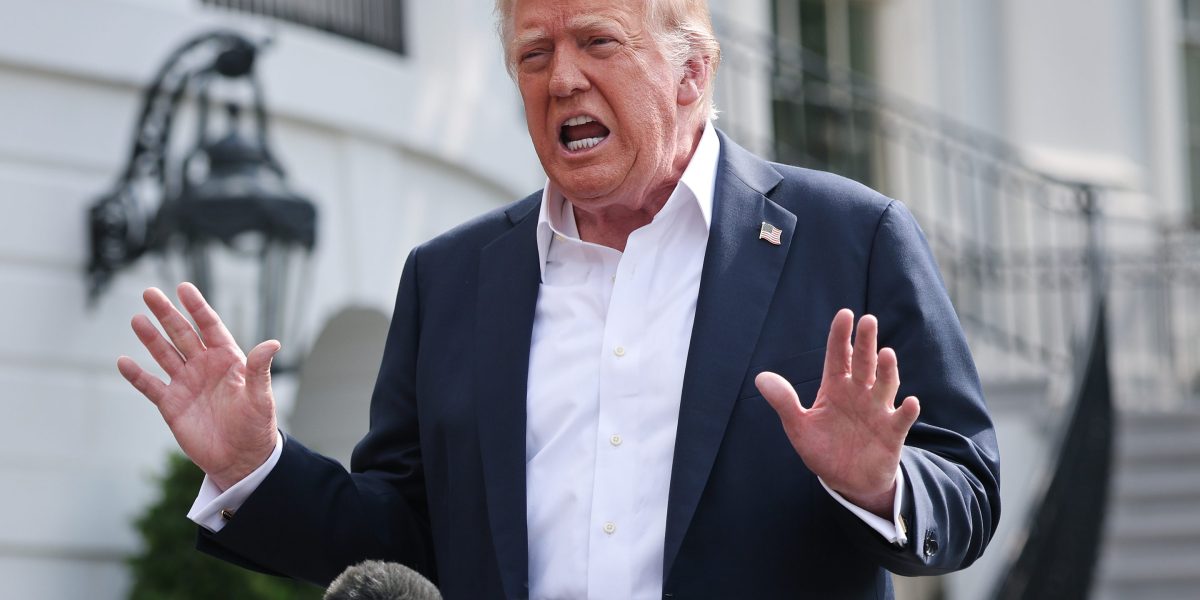
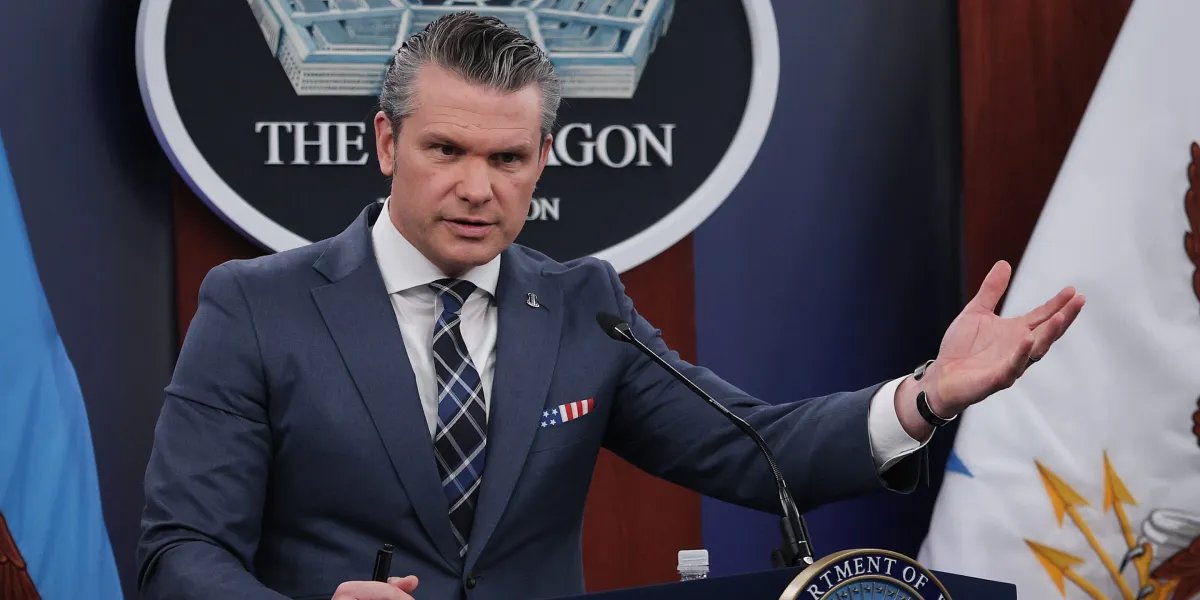
If the Iran war stretches on, small businesses could start to feel the effects in as soon as two months as they run out of reserves or look to renew contracts at potentially higher prices. Trump has repeatedly insisted he could stop the war “right now” having seen Iran’s military crippled, as he told MS Now Friday. Still, Defense Secretary Pete Hegseth earlier this week requested an extra $200 billion for the war effort.
The price of Brent crude hit a brief high of $119 a barrel Thursday, before retreating Friday, as Iran continued to threaten, and at times strike, ships passing through the Hormuz Strait, through which 20% of the world’s oil supply flows.
At the same time, the threat of attacks has also led shipping company Maersk to halt all vessel crossings through the strait. In early March about 147 container ships in the area also had to take refuge after getting stuck in the Persian Gulf.
‘Everything has gone up’
Yet, while these events may feel half a world away for Americans, they have already translated into real price increases at home for many homegrown small businesses.
Travis Maderia, a fourth generation lobster fisherman and cofounder of the direct-to-consumer seafood company Lobster Boys, told Fortune the fishermen that catch lobster for the business in the cold North Atlantic water near Nova Scotia, Canada, are facing rising costs. On Friday, he said one fisherman told him gas prices have increased 60 cents per liter, or more than $2 per gallon.
The result? Maderia has needed to shell out more per pound of lobster to the fishermen than he would during the same season any other year—$17 per pound, compared to $13 or $14 per pound normally—which raises his operating costs.
Jet fuel price increase and more demand for air freight thanks to the shift from risky cargo ships have also led airlines to raise their prices and increase shipping costs.
For Lobster Boys, these increases have meant higher prices for shipping their products to the continental U.S.—increases that Maderia said the company has had to pass on to the restaurants and grocery stores they sell to. And yet, when these restaurants pass the higher prices onto their own customers, they also see a slump in demand, which means fewer orders for Maderia’s company.
“Everything has gone up, unfortunately, and customers are not liking it,” he said.