Good morning. It’s the most wonderful time of the year in New York City—if you like talking about geopolitics, climate action and AI. At Climate Week, the United Nations General Assembly, and related gatherings, a key theme is how leaders can build the infrastructure, guardrails, and partnerships to make AI sustainable and accessible to all.
On the climate side, there’s the literal challenge of how we power the AI revolution: the data centers, the energy sources, the critical minerals, the financing, all of it. The Iran War has sent oil prices surging and federal policy shifts have stalled investments in clean energy at a time when other countries are pushing forward and business is calling for everything, everywhere all at once on the energy front. And of course there are bigger questions about the environmental toll of AI, not to mention the societal impact as policymakers impose moratoriums on data center buildouts, citing concerns about everything from water use to grid reliability.
On the geopolitical side, there’s the debate about safety standards, job disruption, the growing power of those building the models, chips, and infrastructure. It doesn’t help that the five “hoarse” men of the apocalypse—as I now think of Sam Altman, Dario Amodei, Elon Musk, Mark Zuckerberg, and Jensen Huang—are busy debating whether AI will kill us.
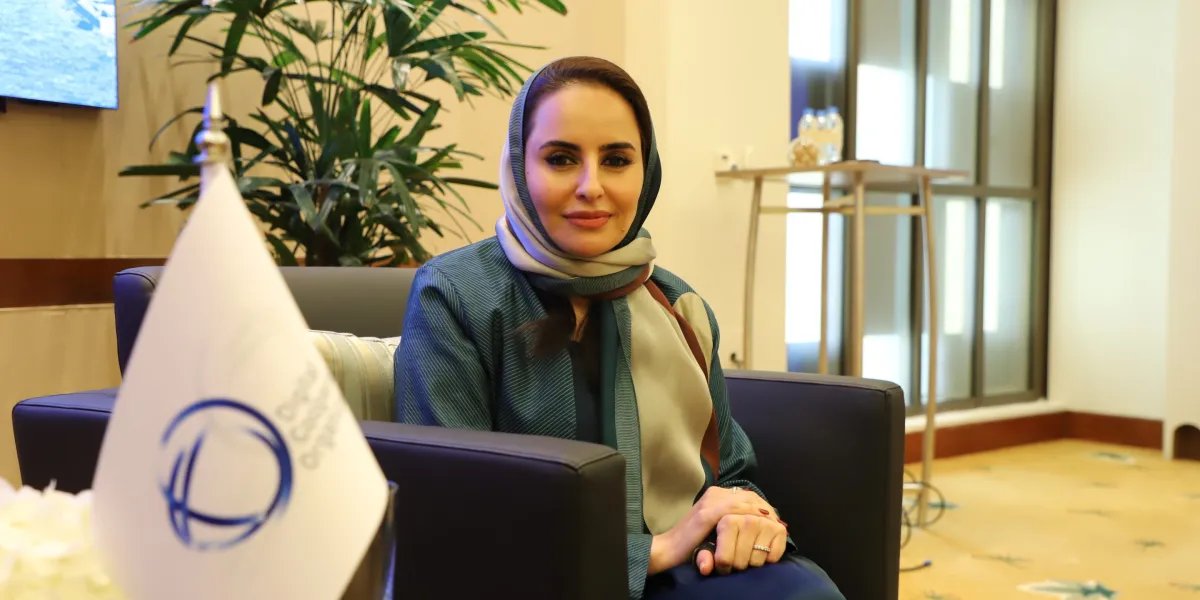
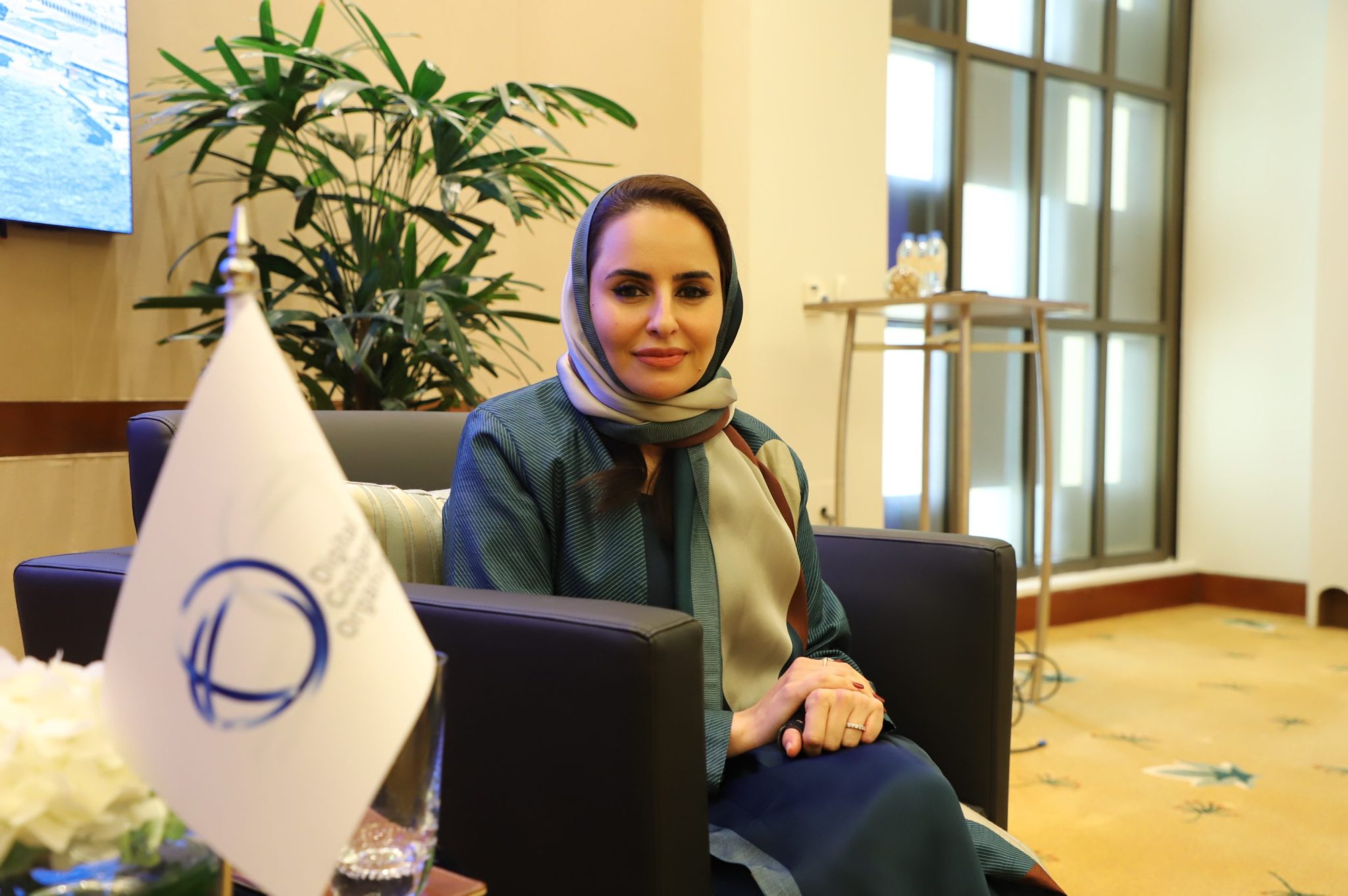
A dinner I moderated last night with women leaders, hosted by the Digital Cooperation Organization (DCO) in collaboration with the Embassy of the Kingdom of Saudi Arabia, offered a more useful frame. IMF Managing Director Kristalina Georgieva was there, as was UN Women Executive Director Dr. Sima Sami Bahous, along with high-level ministers, ambassadors and corporate leaders from around the world. As DCO Secretary-General Deemah Al Yahya told me, the goal is to promote women’s participation in the digital economy, from shaping policy priorities and business models to building resilience and shared prosperity. The conversation was less about AI as an abstract existential force than as a practical reality that is impacting skills training, energy priorities, safety concerns, and entrepreneurial opportunities.
Can a fragmented world work together to get this done? The U.S. may dominate the playing field when it comes to LLMs, but the opportunities for partnership are wide open. I met yesterday with Éléonore Caroit, French Minister Delegate for the Francophonie, International Partnerships and French Nationals Abroad. She talked about why France has attracted the most foreign direct investment in Europe and is partnering with allies like Canada in new ways. “If you look at Europe, you see a pole of stability: countries that have managed to work together and create a very large market, with rules and predictability. In a world of uncertainty, that matters to investors.”
For me, it’s a reminder that the AI race is less about technological supremacy than creating a sustainable societal good. It’s a test of state capacity and corporate leadership; a battle to not only build clean power but create credible rules, career paths, and capabilities that benefit the many.
Tough questions, but I bet the best answer won’t come from the loudest men in the room.
Contact CEO Daily via Diane Brady at diane.brady@fortune.com
Top leadership news
Jensen Huang dismisses an AI doomsday
In an interview with CBS, Nvidia CEO Jensen Huang described the predictions that artificial intelligence could end humanity by 2030 as “irresponsible” and stated that there is a 0% chance of such an event occurring. Although he admitted that the risks associated with AI are real, he said that businesses should focus on developing safeguards rather than frightening the public.
Apple at 50: Charts trace the company’s rise as Tim Cook’s legacy comes into focus
Apple has grown far beyond the computer company it was when it was founded. These Fortune charts show how, over 50 years, it became a global consumer technology company with more than 500 stores worldwide. They also provide context for Tim Cook’s legacy, as his tenure expanded Apple’s ecosystem around the iPhone through services, the Apple Watch, and AirPods.
Unpaid work is worth up to $6 trillion a year
The annual value of unpaid household activities, including cooking, cleaning, and caregiving, is as high as $6 trillion—amounting to about one-fifth of the U.S. GDP, according to a recent report by the Government Accountability Office—even though it is not included in standard economic indicators. Women are increasingly out-earning men, yet they carry out 54% of this work and spend more time looking after children.
The markets
S&P 500 futures are up 0.04% this morning. The last session closed up 1.49%. The STOXX Europe 600 was up 0.10% in early trading. The U.K.’s FTSE 100 was up 0.04% in early trading. Japan’s markets are closed today. South Korea’s KOSPI was up 0.15%. China’s CSI 300 was up 0.11%. Hong Kong’s Hang Seng was up 0.18%. India’s NIFTY 50 was down 0.25%. Bitcoin is up at $86k.
Around the watercooler
‘You’re a going to be a great one’: Trump tells Mamdani he has ‘potential’ to be a great mayor and floats federal funds to his native Queens by Catherina Gioino
Michael Saylor’s Strategy buys Bitcoin again as surprise rally pushes price above $85,000 by Camila Grigera Naón
Indeed CEO says the job market is stuck in a ‘vicious cycle’ if 1,000 qualified candidates can’t get hired: ‘Something’s wrong’ by Preston Fore
Warren Buffett once called Berkshire Hathaway the ‘dumbest’ stock he ever bought—after 60 years, he’s stepped down with a $145 billion net worth by Emma Burleigh
CEO Daily is curated and edited by Joseph Abrams, Jason Ma, Claire Zillman, and Lee Clifford.